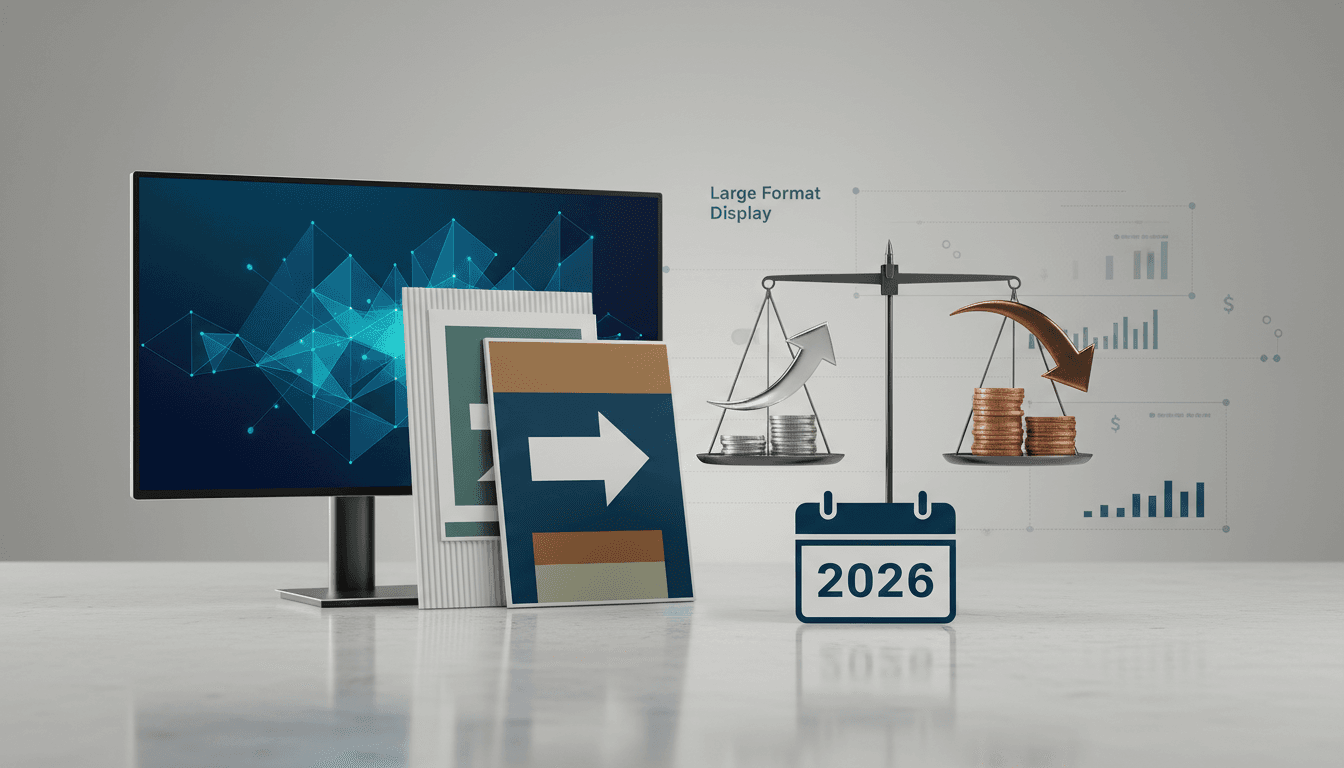
A detailed cost and durability analysis reveals when large format displays deliver superior ROI over traditional signage, with specific breakeven points and material selection criteria.
You’re planning a major product launch or trade show presence for 2026. Your marketing team wants the visual impact of a large format display, but procurement is pushing back on the perceived cost versus traditional printed signage. The real question isn't which is cheaper upfront, but which delivers the lowest total cost of ownership and highest return on investment across your campaign's lifespan. A common mistake we see is brands choosing a cheaper, flexible banner for a high-traffic, multi-show circuit, only to replace it twice due to wear, negating any initial savings. At JinXinCai, our large format department has processed over 5,000 display orders, and the large format display vs traditional signage cost comparison consistently hinges on three factors: material durability, reusability, and the cost of a failed impression.
- Rigid substrates (e.g., 5mm PVC foam board) become cost-effective versus banners after 3+ uses or 60+ days of continuous display.
- Specifying the wrong ink system (solvent vs. UV-curable) can reduce outdoor display lifespan by over 70%.
- A custom large format display minimum order quantity of 500 units applies, but single-unit prototypes are available for testing.
- Modular tension fabric systems offer a 40-60% lower shipping cost per square meter compared to rigid panel systems.
- Including mounting hardware specs in your initial RFQ can prevent 15-25% in last-minute installation surcharges.
What Are Your Large Format Display Requirements?
Begin by defining the display's mission. Is it a one-time indoor event backdrop, a semi-permanent retail POP display, or a reusable asset for a 12-month roadshow? The environment dictates everything. For indoor trade show booths, weight and setup time are critical; we often recommend lightweight aluminum frames with tension fabric for sub-30-minute assembly. For outdoor retail signage, UV resistance and structural integrity against wind load take precedence.
Our head of large format production, with 12 years of experience operating our 2,500 × 1,300 mm UV flatbed printer, emphasizes a key specification often overlooked: "Clients focus on size and graphics but forget about fire retardant standards. For any indoor exhibition hall use, especially in the EU or North America, you must specify a substrate and laminate that meet local fire codes like B1 or Class A. Non-compliant displays get rejected at load-in, creating costly last-minute crises."
Resolution is another frequent pitfall. For a large format printing for retail POP display viewed at 3-10 feet, a resolution of 100-150 pixels per inch (PPI) is typically sufficient. Designing at 300 PPI for a 10-foot graphic is unnecessary, creates massive file sizes that slow prepress, and doesn't improve visible quality. We guide clients to provide vector artwork where possible and optimized raster images at the correct final output dimensions.
Material Showdown: Rigid vs Flexible Substrates Compared
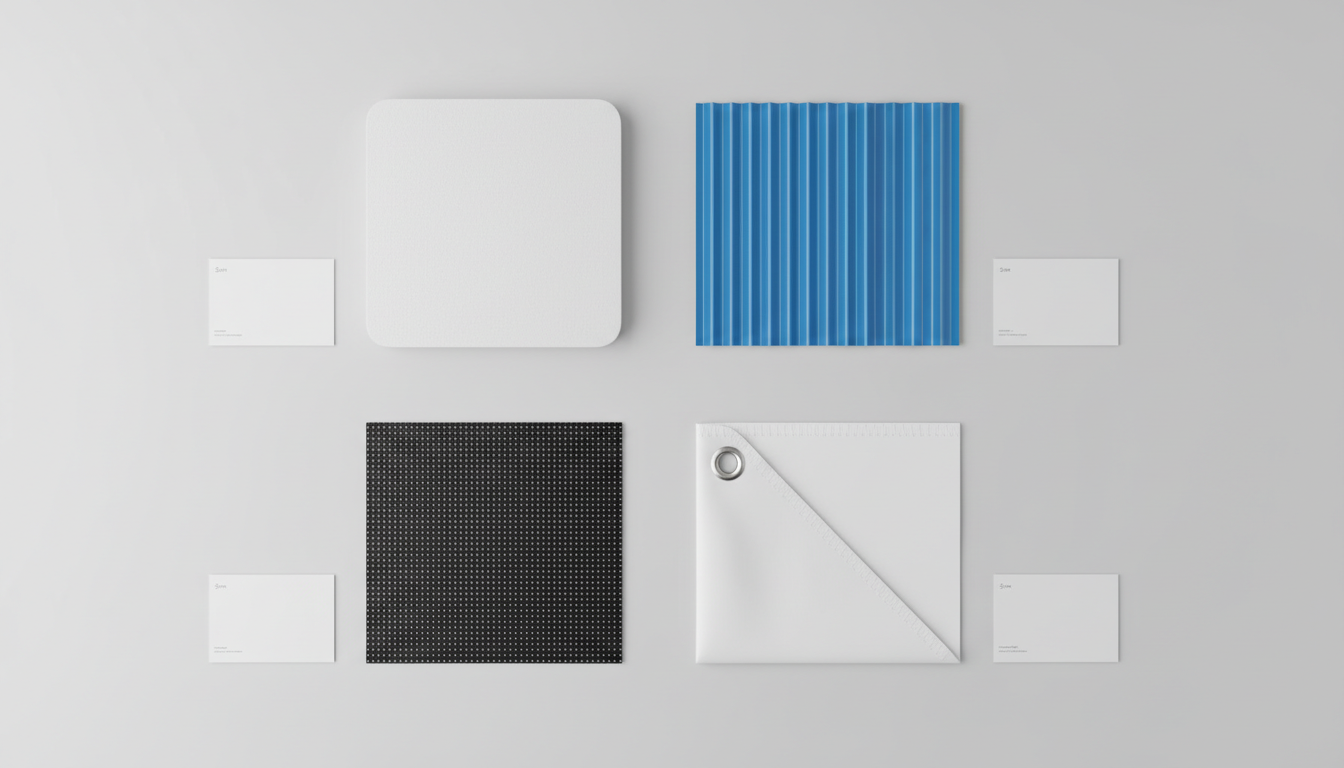
How to choose large format display material for trade show or retail environments starts with the rigid vs. flexible divide. This choice fundamentally impacts durability, portability, and perceived quality.
| Factor | Rigid Substrates (e.g., PVC Foam Board, Acrylic) | Flexible Substrates (e.g., Vinyl Banner, Fabric Mesh) |
|---|---|---|
| Best For | Permanent/semi-permanent retail POP, high-end trade show graphics, freestanding displays. | Short-term events, hanging banners, backdrops, cost-sensitive campaigns. |
| Durability | High impact resistance, won't crease or sag. 3-5+ year outdoor lifespan with proper finishing. | Prone to tearing, creasing. Outdoor banner lifespan typically 6-18 months. |
| Portability | Lower. Sheets are bulky; large displays may require custom crating. Higher shipping costs. | High. Rolls up for transport. Lightweight, lower shipping cost. |
| Finish & Perception | Premium, professional. Allows for flush mounting and dimensional effects. | Can appear budget if not tensioned properly. Shows wrinkles in indoor settings. |
| Cost Driver | Material cost per sheet, cutting/ routing charges, crating. | Material cost per square meter, hem/grommet finishing. |
The rigid substrate vs flexible banner durability comparison has a quantifiable trade-off. A 3mm rigid PVC foam board with UV printing and laminate can withstand daily retail handling for years. A 13oz vinyl banner with solvent ink and hemmed edges will show fading and brittleness after 12-18 months of continuous sun exposure. For a two-year outdoor campaign, the rigid option, while 2-3x more expensive upfront, often proves cheaper per year of service.
The True Cost Analysis: Upfront vs Long-Term Durability
Let's move beyond unit price to total cost of ownership. A large format display vs traditional signage cost comparison must account for installation, storage, transportation, and replacement.
Decision: When to Choose a Rigid Custom Display Over a Standard Banner
- If your display will be used 3 or more times → Choose a rigid, modular system. The higher initial investment is amortized over multiple events.
- If the display will be in a high-traffic retail location for 6+ months → Choose a rigid substrate with anti-glare laminate to resist scuffs and maintain visual clarity.
- If your graphic requires precise, intricate die-cut custom shapes → Choose a rigid board processed on a flatbed cutter. Vinyl die-cutting has limitations on fine detail.
- If shipping cost and setup speed are primary concerns → Choose a flexible fabric system with a retractable banner stand or pop-up frame.
Consider a real-world rigid substrate vs flexible banner durability comparison with numbers. For a 2m x 3m trade show backdrop:
- Option A (Premium Vinyl Banner with Stand): ~$450. Lightweight, ships in a tube. Likely to show wear (creasing, fading) after 2-3 shows. Replacement cost in year 2: another $450.
- Option B (Rigid PVC Panel with Aluminum Frame): ~$1,200. Requires flight case (~$300). More complex setup. Maintains like-new appearance for 10+ shows.
of clients who initially order vinyl banners for multi-event campaigns switch to rigid or fabric systems for their second order, citing durability and professional appearance.
The breakeven point is around the third use. Option A's two-cycle cost is $900. Option B's total cost is $1,500. However, by the fourth show, Option A may need a third banner ($1,350 total), making Option B the lower-cost, higher-impact solution. This is the core of strategic large format printing for retail POP display and event planning.
Get a precise cost breakdown for your specific display dimensions, material, and quantity. We'll provide a side-by-side comparison of rigid vs. flexible options with total cost projections.
Get a Free Quote →How to Specify Your Large Format Order: A Checklist
Ambiguous specifications are the primary cause of delays and cost overruns. Use this checklist to ensure your RFQ provides all necessary details for an accurate quote and smooth production.
- Final Dimensions: Provide exact height, width, and depth in millimeters or inches. Note if size is flexible to fit a standard material sheet size (e.g., 1220mm x 2440mm) to minimize waste.
- Material Type: Specify core material (e.g., 5mm white PVC foam board, 510gsm frontlit banner vinyl). If unsure, describe the use case and environment.
- Finishing Requirements:
- For banners: Hem type (pole pocket, standard hem), grommet spacing (e.g., every 2 feet), and reinforcement patches.
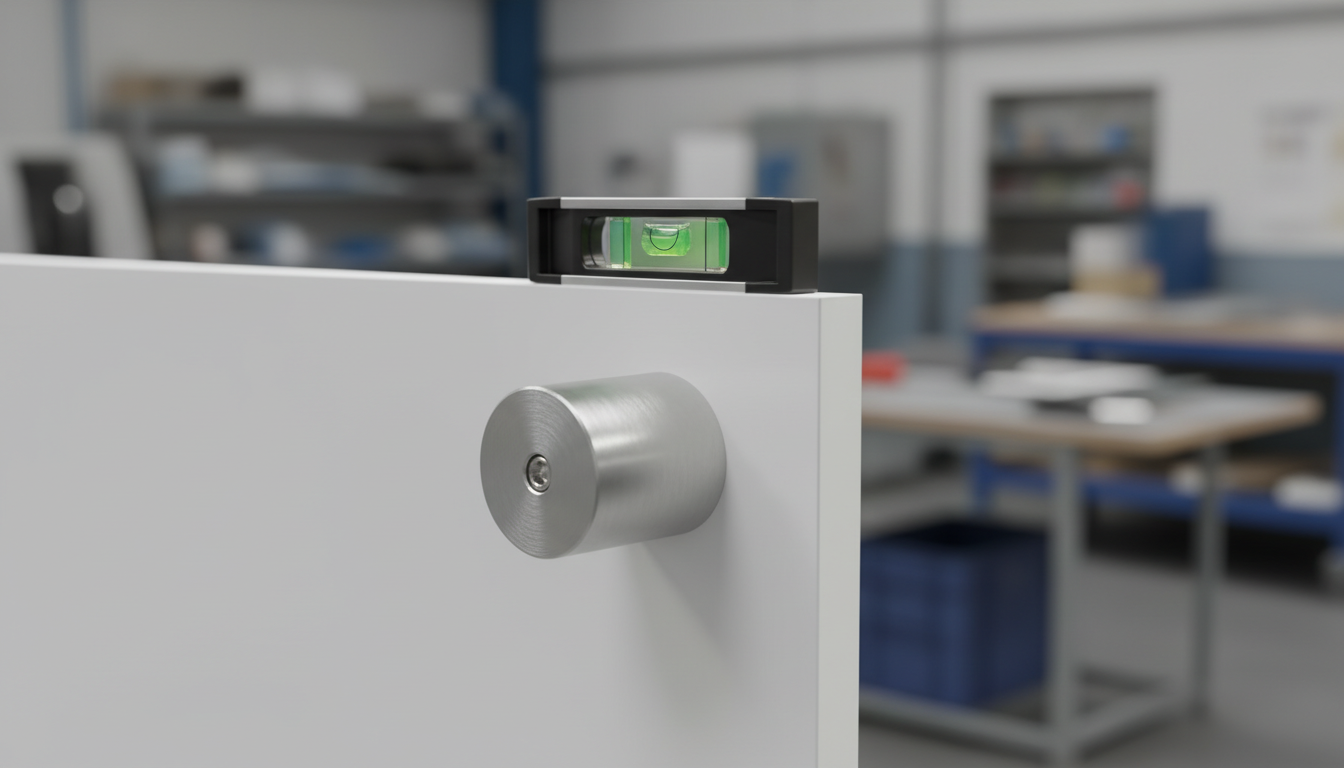
- For rigid boards: Edge finish (routed, polished, painted), mounting method (Z-clips, French cleat, stand-off brackets), and whether luminate for UV protection or anti-glare is required.
- Graphics & Color: Specify if CMYK+ white ink is needed for printing on transparent or dark substrates. Provide color-critical Pantone references if brand matching is essential.
- Packaging & Shipping: Indicate if custom crating is needed for rigid items or if graphics should be rolled and shipped in tubes. This significantly affects the final cost.
Regarding custom large format display minimum order quantity, at JinXinCai, our standard MOQ is 500 units for cost-effective production. However, for custom one-off displays, prototypes, and high-value trade show assets, we regularly produce single units. The cost per unit is higher, but it allows for complete customization without a large inventory commitment.
Case Study: Trade Show Display ROI for a B2B Tech Brand
Let's apply these principles to a real scenario. A B2B software company (similar to our food & beverage packaging client who needed multi-region variants) attended four major industry tradeshows annually. They used a mix of inexpensive retractable banner stands and a large fabric backdrop.
Problem: The banners looked worn after the second show, and the backdrop wrinkled easily, projecting an unprofessional image inconsistent with their premium brand. The team spent hours on setup and troubleshooting.
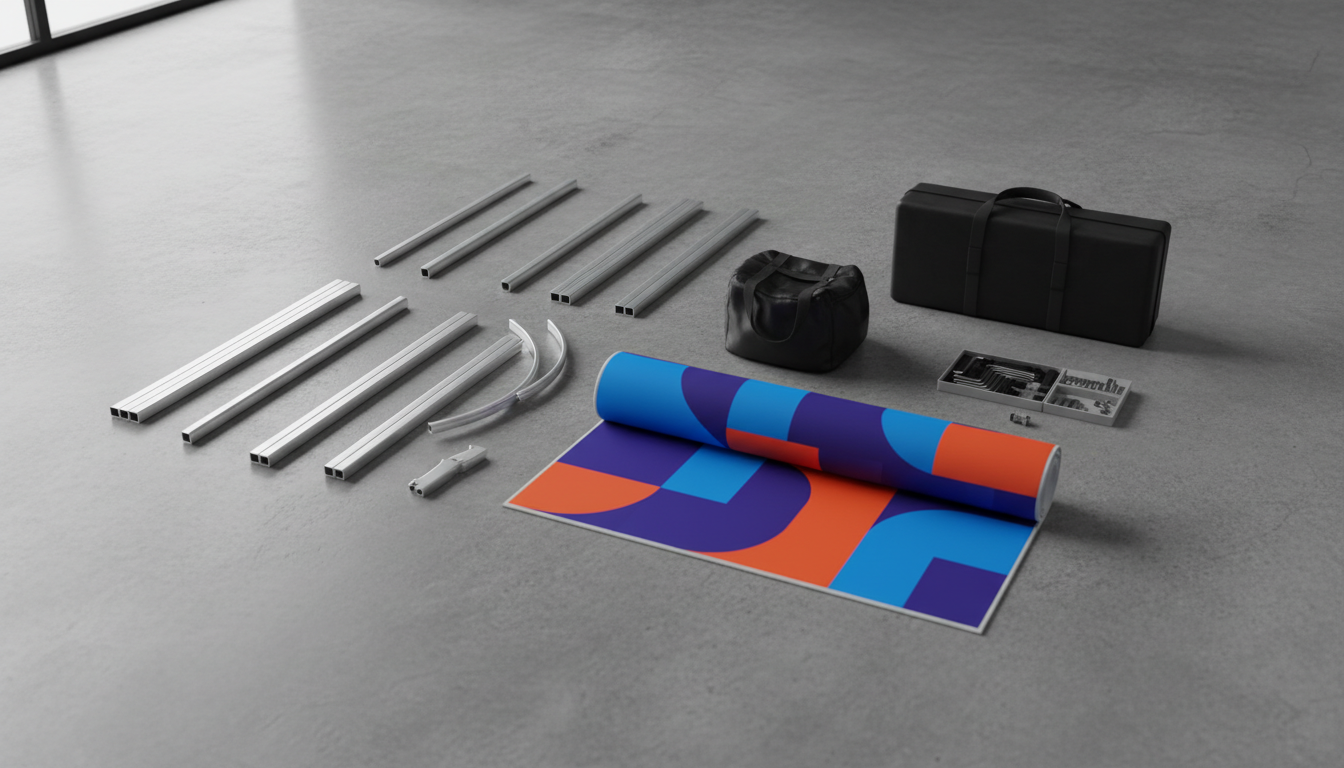
Our Solution: We designed a modular lightweight aluminum frame system with interchangeable tension fabric graphic panels. The core frame was reusable indefinitely. For each show, they could swap out one or two fabric panels featuring new messaging or product highlights, printed using our UV-curable ink process for color vibrancy and durability.
Specifications:
- Main Display: 4m x 3m tension fabric system.
- Fabric: Fire-retardant polyester scrim, printed at 720 DPI.
- Ink: UV-curable for color fastness.
- Modular Panels: Two 1m x 2m secondary panels for updated content.
Outcome with Metrics: The initial investment was 2.8x the cost of their old vinyl backdrop and stands. However, over a two-year cycle (8 shows):
- Eliminated $2,400 in annual replacement costs for worn banners.
- Reduced setup/teardown time by 60%, saving an estimated 40 labor hours per year.
- The professional appearance contributed to a reported 15% increase in qualified booth visits, as noted by their marketing director.
Decision Framework: Matching Display Type to Marketing Goal
Your marketing objective should drive the technical specification. This framework helps align your goal with the optimal display solution.
| Marketing Goal | Recommended Display Type | Key Specifications & Rationale | Budget Range (3m x 2m display) |
|---|---|---|---|
| Maximum Portability & Speed (Roadshows, multi-city tours) | Retractable banner stand or portable pop-up display. | Choose a lightweight system sub-25kg. Opt for a fabric graphic that rolls into included case. Prioritize sub-10-minute setup. | $300 - $800 |
| High-Impact, Reusable Trade Show Presence (Major annual industry events) | Modular lightweight aluminum frame with tension fabric or rigid panel inserts. | Invest in a durable frame system. Use interchangeable graphic panels for message updates. Specify fire retardant standards compliance. | $1,500 - $5,000+ |
| Semi-Permanent Retail POP Display (In-store for 6-24 months) | Rigid substrate (PVC foam, acrylic) with integrated shelving or mounts. | Select a rigid, scratch-resistant material. Use anti-glare laminate for readability under store lights. Design for easy cleaning. | $400 - $1,200 |
| Cost-Effective Short-Term Promotion (2-4 week campaign, outdoor) | Heavy-duty vinyl banner with reinforced hems and grommets. | Choose 15oz+ vinyl. Specify solvent or eco-solvent ink for outdoor durability. Ensure proper grommet spacing for secure installation. | $150 - $400 |
This framework moves the conversation from "What's the price?" to "What's the best tool for the job?" For example, specifying large format printing for retail POP display requires considering consumer touchpoints, lighting, and cleaning protocols—factors irrelevant to a short-term banner.
The definitive large format display vs traditional signage cost comparison proves that the lowest upfront price often carries the highest long-term cost. By applying the durability benchmarks, specification checklist, and goal-oriented framework outlined here, you can make a strategic investment that enhances your brand's presence and maximizes marketing spend. The next step is to translate your 2026 campaign plans into concrete specifications. Provide your target dimensions, environment, usage frequency, and budget parameters to a partner with certified production expertise—like our ISO 9001:2015 and ISO 14001:2015 certified facility—for a detailed, scenario-based cost analysis.
Frequently Asked Questions
How does indoor vs outdoor use affect large format material selection?
Outdoor displays require UV-resistant inks (solvent, eco-solvent, or UV-curable) and substrates rated for prolonged sun exposure, like 15oz+ vinyl or rigid PVC with a protective laminate. Indoor materials prioritize fire retardancy, surface finish (e.g., matte to reduce glare), and weight. Using an indoor-rated fabric outdoors can cause fading in under 3 months.
What is the breakeven point for custom die-cut displays vs standard sizes?
The breakeven depends on material waste. Custom die-cutting (e.g., a unique shape) typically adds a 20-35% surcharge for tooling and processing time. It becomes cost-effective versus using a standard rectangular panel when your unique shape allows you to reduce the overall panel size by more than 25%, saving on material and shipping costs for runs over 100 units.
What mounting specifications should I provide for a wall installation?
Provide the wall type (drywall, concrete, brick), desired stand-off distance from the wall, and total display weight. For rigid panels over 5kg, specify Z-clips or French cleat systems. Include the exact spacing for mounting points (e.g., '4x M6 threaded inserts, 50mm from each corner'). This allows for pre-installed hardware, saving hours of on-site labor.
How does UV coating affect the lifespan of an outdoor banner?
A liquid UV laminate can extend the vibrant lifespan of an outdoor vinyl banner by 200-300%. Without lamination, solvent inks directly exposed to UV rays and weather may show significant fading within 6-12 months. With a proper UV laminate, the same graphic can maintain acceptable color fidelity for 2-3 years. The laminate also provides scratch resistance and makes the surface easier to clean.