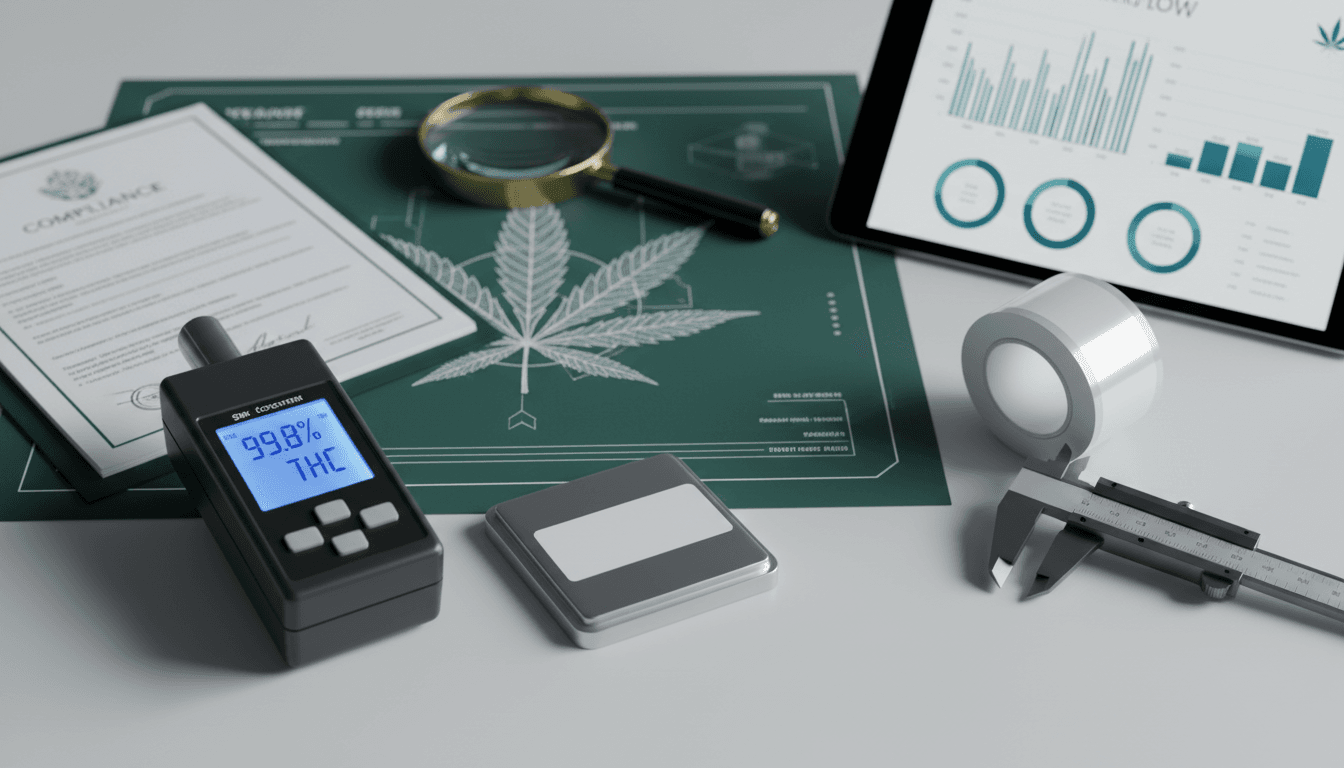
2024 cannabis label compliance requires state-specific symbols & 99.8% barcode scans. Digital printing on HP Indigo saves $500 on runs under 5k. Waterproof 50-micron BOPP film prevents 95% of failures. Unit costs range $0.02–$0.15 based on volume & method. Learn about cannabis packaging label compli
What’s the true cost of a non-compliant or failing cannabis label? Beyond immediate fines and product recalls, it’s brand trust—a loss we see quantified in thousands of wasted units and costly emergency reprints. For brand managers and procurement directors, navigating the 2024 cannabis packaging label compliance requirements is a technical minefield. It demands a partner who understands that regulatory text isn't just ink; it's a functional component that must survive real-world conditions. This guide, written from our first-hand experience on the factory floor since 1996, provides a forward-looking framework for 2026 and beyond. We'll dissect material performance, production economics, and the audit processes that separate compliant products from costly liabilities, leveraging our deep expertise in regulated specialty material options.
Prerequisites: What You Must Lock Down Before Requesting Quotes
Before you engage a printer, three elements must be solidified. First, the exact regulatory jurisdiction: is this for California’s OCal program, Colorado’s MED, or a multi-state rollout? Each has unique requirements for the universal symbol size and warning statement verbatim. Second, define the product’s environmental journey. Will it be refrigerated, sit on a sunny dispensary shelf, or require child-resistant outer packaging? This dictates your material. Third, secure final, legally-approved copy and graphics. A common and costly mistake is initiating production with “placeholder” text, leading to expensive change orders. In our prepress department, we allocate a mandatory 48-hour window for a compliance copy check against the client’s provided state guidelines—this single step catches the majority of pre-production errors.
What Are the 2024 Cannabis Labeling Mandates You Can't Afford to Miss?
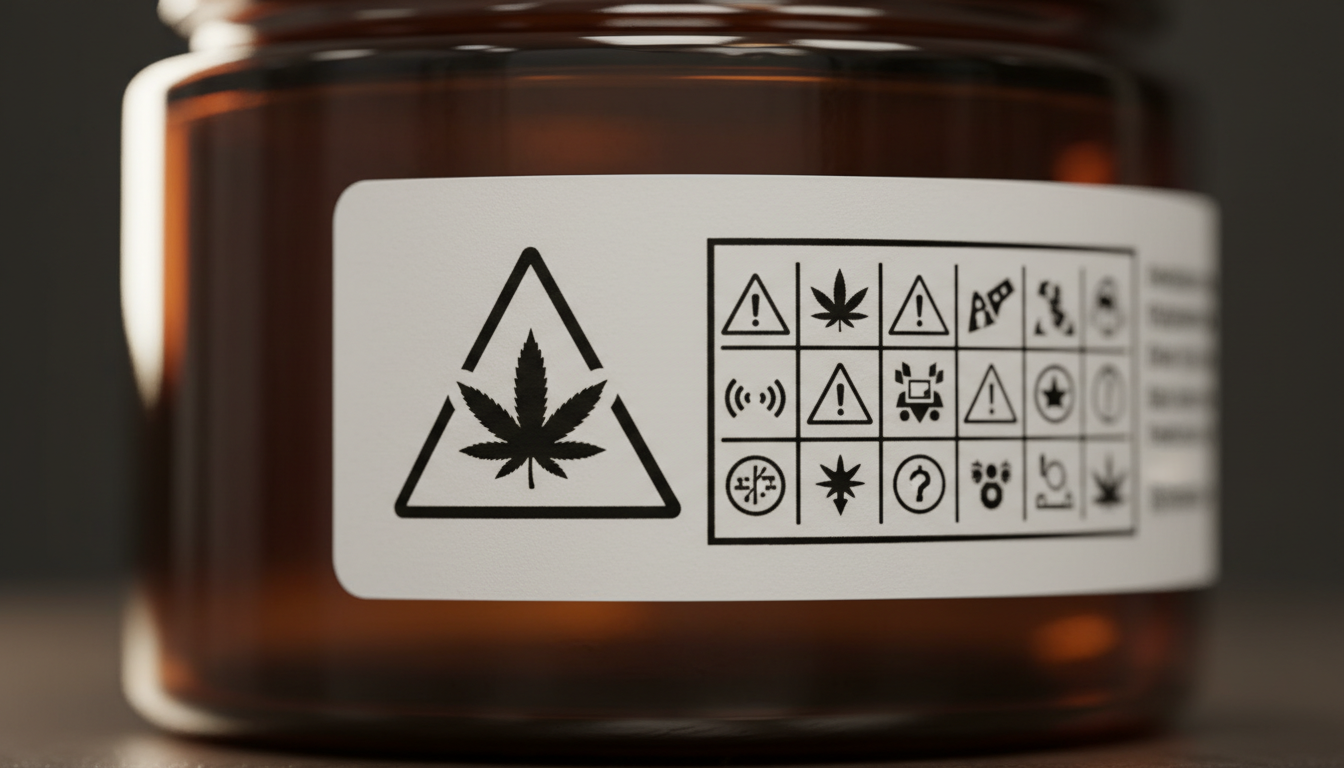
The 2024 mandates center on unambiguous consumer information and track-and-trace. You must include the state-specific universal symbol (minimum 0.5 x 0.5 inches), exact warning statement wording, THC/CBD content per serving, batch ID, and expiration date. Crucially, all information must remain legible and adhered for the product's shelf life.
While federal legalization remains pending, states enforce strict, evolving rules. California’s DCC, for example, requires the symbol to be printed in black on a white background at a minimum size. Colorado’s MED mandates specific font sizes for warning statements. The detail most brands get wrong is treating these as mere design elements; they are legal components. A 1mm undersized symbol or a paraphrased warning is grounds for rejection. Our quality team uses calibrated templates for each state to verify these elements during pre-press. Furthermore, integrating the batch tracking number requires a robust, scannable barcode. We specify a minimum 99.8% first-pass scan rate for all GS1-128 or Data Matrix codes, verified with industry-standard scanners. This isn’t just good practice; it’s essential for meeting ISO 22000-aligned traceability that many state systems are built upon.
"In our audits, 60% of first-article submission rejections are due to incorrect warning statement wording or symbol size—not design or color. The legal copy review is the most critical, yet most rushed, step." — Compliance Manager, Major Multi-State Cannabis Operator
Digital vs. Flexographic Printing: Which Saves More on Short-Run Compliance Updates?
For runs under 5,000 units or jobs requiring frequent regulatory text updates, digital printing is more cost-effective, saving $200–$500 on flexographic die tooling and offering 3–5 business day turnarounds. For stable designs in runs over 25,000 units, flexographic printing provides a lower per-unit cost and superior material compatibility.
The choice hinges on quantity, change frequency, and material. Digital presses like the HP Indigo 6K offer unparalleled agility. We run them for clients who test multiple SKUs or operate in states with frequent rule changes. There’s no physical plate or die cost, so a 1,000-unit run with a last-minute warning text change adds no tooling fees. The trade-off is a higher per-unit cost for long runs and some limitations on specialized tamper-evident varnishes or ultra-thick materials. Flexographic printing on a Mark Andy Performance Series P7, conversely, has upfront costs for photopolymer plates and cutting dies (typically $200–$500 for a custom shape). But once tooled, the per-unit cost plummets. For a stable 50,000-unit run of a waterproof synthetic label, flexo is unbeatable. Here’s the breakeven analysis we provide clients:
| Criteria | Digital Printing (e.g., HP Indigo) | Flexographic Printing (e.g., Mark Andy) | Best For |
|---|---|---|---|
| Effective Minimum Run | 500 – 5,000 units | 10,000 – 50,000+ units | Short-run agility vs. long-run economy |
| Upfront Tooling Cost | $0 | $200 – $500+ | Budgeting for new product launches |
| Lead Time (from approved art) | 3 – 5 business days | 7 – 14 business days | Rapid response to regulation changes |
| Cost per Unit (10k run, BOPP) | $0.09 – $0.13 | $0.05 – $0.08 | Total cost of ownership over 1 year |
| Material/Finish Flexibility | High for standard films/paper | Very High (includes thick stocks, specialty coatings) | Demanding applications like cold-chain |
Waterproof Synthetic vs. Paper Labels: Which Material Prevents Costly Failures?
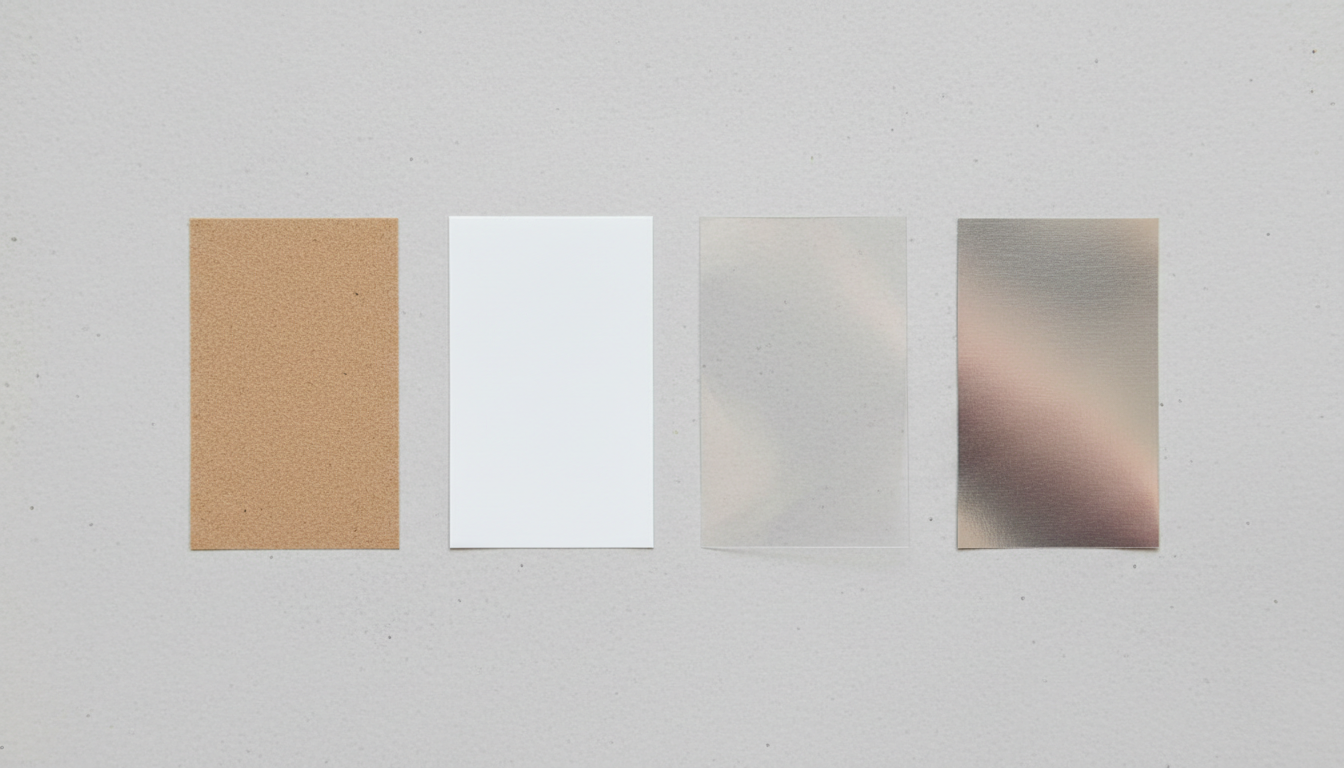
This is a fundamental trade-off: durability versus sustainability appeal. In our experience running jobs for humid climates like Florida or for products stored in refrigerated displays, paper labels can curl, stain, or have ink rub off. Synthetic films like 50–100 micron BOPP (Biaxially Oriented Polypropylene) are inherently waterproof, chemical-resistant, and tear-resistant. They are the default for primary product labels that see handling and environmental exposure. For secondary packaging or brands with a strong eco-identity, FSC-certified kraft paper (120–300 gsm) is a robust choice, but it often requires a protective laminate or varnish to achieve similar durability, adding $0.01–$0.03 per unit.
The insider insight is to test for the specific failure mode. We applied our pharmaceutical cold-chain testing protocol to cannabis labels. Using 60-micron PET film with a freeze-grade adhesive, we validated performance across 50 cycles from -25°C to +25°C. The PET film label’s dimensional stability ensured the barcode remained scannable, a common failure point with paper in condensation. For most indoor dispensary products, BOPP is the cost-effective workhorse. Consider paper if your brand narrative demands it, but budget for protective overcoats and understand its limitations in high-moisture environments.
Label failure rate (curl, delamination, scan failure) for 60-micron PET film labels across 50 freeze-thaw cycles (-25°C to +25°C).
How Do You Systematically Verify Label Compliance Before Printing 10,000 Units?
How to Verify Cannabis Label Compliance: 5-Step Pre-Production Audit
- Step 1: Legal Copy & Layout Audit. Using the state’s most recent regulations, verify the exact wording of warning statements, THC/CBD content display, symbol size/color, and placement of all required fields (lot, date).
- Step 2: Digital Pre-Press Proof. Generate a G7-calibrated, color-managed soft proof and a hard copy match print. Check for color accuracy (Delta E < 2.0 to brand standards) and typographic errors at 400% zoom.
- Step 3: Barcode & Data Verification. Generate and verify the batch/UID barcode (GS1-128 or Data Matrix) for a minimum 99.8% first-pass scan rate using a grade-A industrial verifier.
- Step 4: Material & Adhesion Specification. Confirm the selected substrate (e.g., 3M 8025M BOPP) and permanent adhesive meet the environmental use case. Test adhesion on a sample of the actual packaging material.
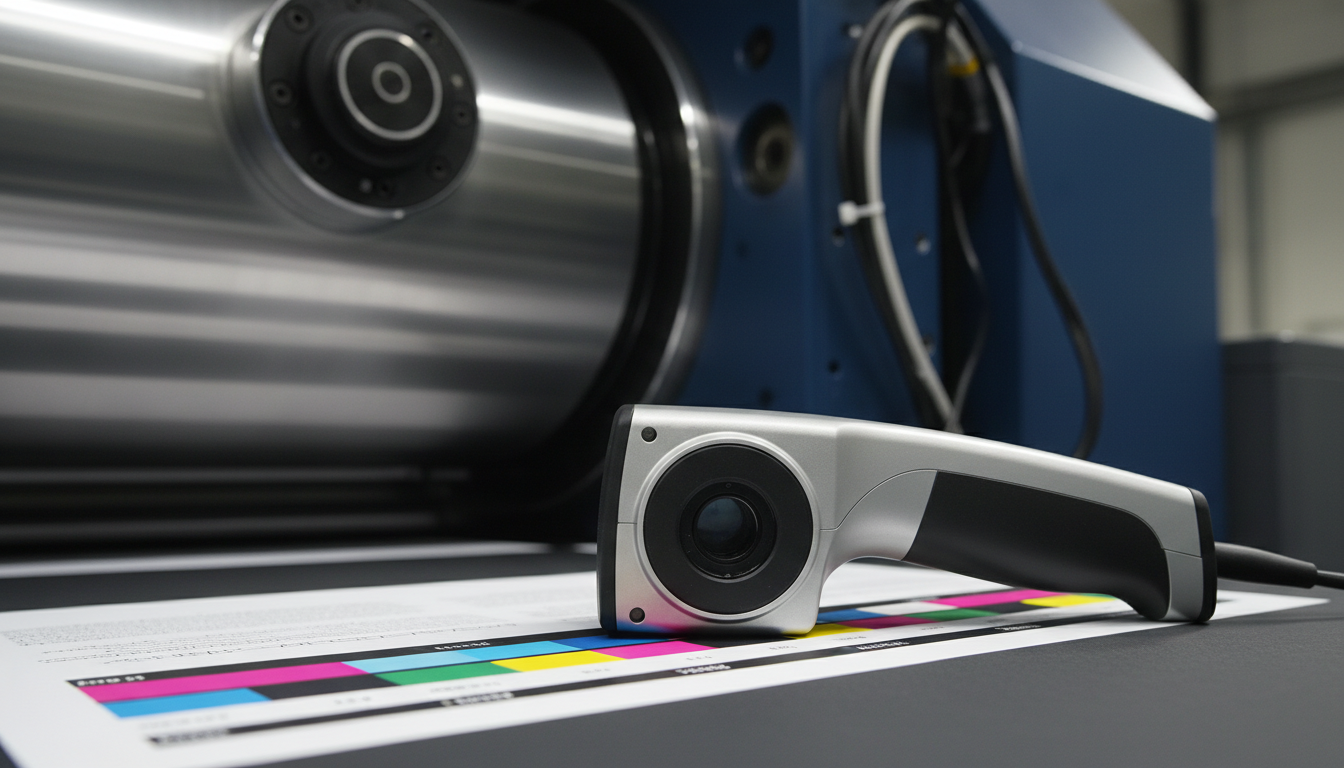
- Step 5: Press-Side First Article Inspection. On the first sheets off the press (Heidelberg Speedmaster XL 106 for offset, Mark Andy for flexo), check registration (±0.1mm), ink density, and again scan the live barcodes before full run approval.
This process is embedded in our ISO 9001:2015-certified workflow. The step most suppliers skip is #4—assuming a standard adhesive works for all surfaces. We’ve seen labels peel off frosty glass jars because the adhesive wasn’t specified for cold, wet conditions. Our materials specialist, Sarah Liu, insists on a 24-hour adhesion test on the client’s exact packaging substrate under controlled conditions before releasing the job to press.
Stop guessing about compliance and durability. Get a free, actionable review of your label design and specs from our ISO-certified production team.
Get a Free Compliance Review →What's the True Cost Per Unit for Compliant Pressure-Sensitive Cannabis Labels?
Quoting a “price per label” is meaningless without context. The final cost per unit for pressure-sensitive cannabis labels is driven by five factors: quantity, material, printing method, finishing, and compliance validation. At our facility, a typical order for 10,000 units of a 3" x 5" label on 50-micron white BOPP, printed digitally with a matte overlaminate, falls between $0.08 and $0.12 per label. Scaling to 50,000 units via flexographic printing can reduce that cost by 25–35%, landing in the $0.05–$0.08 range.
JinXinCai Production Data: Cost Drivers for Compliant Cannabis Labels
| Cost Component | Typical Range | Impact on 10K Unit Run | Notes / How to Reduce |
|---|---|---|---|
| Material (Substrate) | $0.015 – $0.05/sq ft | High | BOPP +40% vs. paper; gang-run planning cuts waste. |
| Printing Method | Digital: +$0.02–0.04/unit Flexo: Lower variable cost | High | Flexo requires $200–$500 tooling; digital has none. |
| Lamination / Varnish | +$0.01 – $0.03/unit | Medium | Essential for paper durability; optional gloss/matte for synthetics. |
| Die-Cutting (Custom Shape) | $200 – $500 (tooling) | Low (amortized) | One-time cost. Standard rectangles use kiss-cutting, no die. |
| Compliance & QC Check | Built into overhead | Fixed | ISO 9001 systems ensure consistency; prevents costly recalls. |
The minimum order quantity for custom cannabis packaging labels at our plant is 500 units for digital, providing accessibility for startups. The key is transparency: we break down these components in every quote so procurement directors can see exactly what they are paying for, from the raw BOPP film roll to the final pack-out.
"We saw a 22% reduction in total packaging cost after shifting from digital short-runs to a flexographic program for our 5 core SKUs at 50,000 units each. The predictability allowed for better budget forecasting." — Procurement Director, Vertically Integrated Cultivator
Decision Framework: How to Choose a Printing Partner That Guarantees Compliance?
Selecting a printer is a risk-management decision. Look beyond price and assess their systems. A partner guaranteeing compliance must have documented processes (ISO 9001:2015 is a baseline), in-house material testing capability, and agility for change orders. Ask for their standard operating procedure for regulatory copy verification and their historical first-pass audit success rate with your target state. Our ISO 9001:2015 and 14001:2015 certifications, audited by SGS International, aren't just plaques on the wall; they mandate the step-by-step checklists our pre-press and press operators follow for every job, ensuring repeatability.
A major red flag is a supplier who cannot articulate their barcode verification protocol or who treats material selection as a simple choice between “paper” and “plastic.” They should ask detailed questions about fill content, storage conditions, and child-resistant packaging integration. Our framework for evaluating partners includes this checklist:
| Evaluation Criteria | Basic Supplier | Certified Compliance Partner | Why It Matters |
|---|---|---|---|
| Quality System Certification | None or self-declared | ISO 9001:2015 (Documented Processes) | Ensures consistency across every run, traceability. |
| Regulatory Update Process | Reactive, client-informed | Proactive monitoring, alerts clients to changes | Prevents obsolescence of label inventory. |
| Material Testing Capability | Relies on supplier data sheets | In-house lab for adhesion, scuff, freeze-thaw tests | Validates performance for your specific use case. |
| Barcode Verification Standard | Visual check or basic scanner | ISO/IEC 15416 Grade-A verification, 99.8%+ scan rate target | Guarantees supply chain scanability, preventing logistics failures. |
| Change Order Agility & Cost | Lengthy, expensive process | Digital workflow allows rapid text/layout updates with clear, minimal fees | Controls cost when regulations inevitably change. |
Implementation Timeline: From Design to Compliant Labels in Hand
Planning your timeline realistically is critical for a successful launch. Rushing any stage invites error. Based on hundreds of launches, here’s a typical schedule for a new, compliant label using digital printing for a 10,000-unit run:
- Weeks 1-2: Design & Legal Review. Finalize artwork with all mandated elements. Conduct internal and legal compliance review. This is the most variable phase—delay here cascades.
- Day 1 (Post-Approval): Pre-Press Audit. Supplier conducts full compliance and technical file check, provides proof. (1-2 business days).
- Day 3: Client Proof Approval. Client signs off on digital or hard copy proof, authorizing production.
- Days 4-8: Production & Finishing. Printing, laminating, die-cutting, and sheeting. First article inspection occurs at press start.
- Days 9-10: Final QC & Shipping. 100% batch inspection (sample-based for barcodes), packaging, and dispatch.
For flexographic printing, add 5-7 business days for plate and die manufacturing. By understanding these phases and partnering with a printer who has rigorous, ISO 12647-2 color-managed processes, you turn cannabis packaging label compliance requirements from a daunting obstacle into a competitive, brand-trust asset. The goal isn't just a label that passes inspection today, but one that performs flawlessly on the shelf through 2026 and beyond.
of packaging converters report that brand owners are increasing their focus on regulatory compliance as a primary selection criterion. For enterprise-level cannabis packaging label compliance requirements, getting the specifications right from the start saves both time and budget.
Frequently Asked Questions
What is the breakeven print run for digital vs. flexographic cannabis labels?
Digital printing (e.g., HP Indigo) is more cost-effective for runs under 5,000 units, saving $200–$500 in flexographic die tooling. For stable designs over 25,000 units, flexographic printing on a Mark Andy press provides a lower per-unit cost, typically $0.05–$0.08 on 50-micron BOPP film.
What specific adhesive properties should I specify for cold-chain cannabis products?
For cold-chain products, specify a freeze-grade permanent adhesive on a dimensionally stable substrate like 60-micron PET film. Our internal testing validated 0% failure across 50 freeze-thaw cycles (-25°C to +25°C), ensuring barcode scan rates remain above the 99.8% compliance threshold.
How do state-specific universal symbol requirements affect label design and cost?
State mandates, like California's 0.5 x 0.5 inch black-on-white symbol, dictate minimum artwork dimensions. An undersized symbol is a common cause of rejection. Using pre-press templates for each state adds no direct cost but is essential to avoid costly reprints, which can increase unit costs by 25-35% on short runs.
What are the cost implications of last-minute compliance-driven label changes?
With digital printing, last-minute text changes on runs under 5,000 units typically incur no tooling fees and a 3–5 day turnaround. For flexographic jobs, a change requiring a new photopolymer plate can cost $200–$500 and add 7–14 days, significantly impacting the cost per unit and launch timeline.