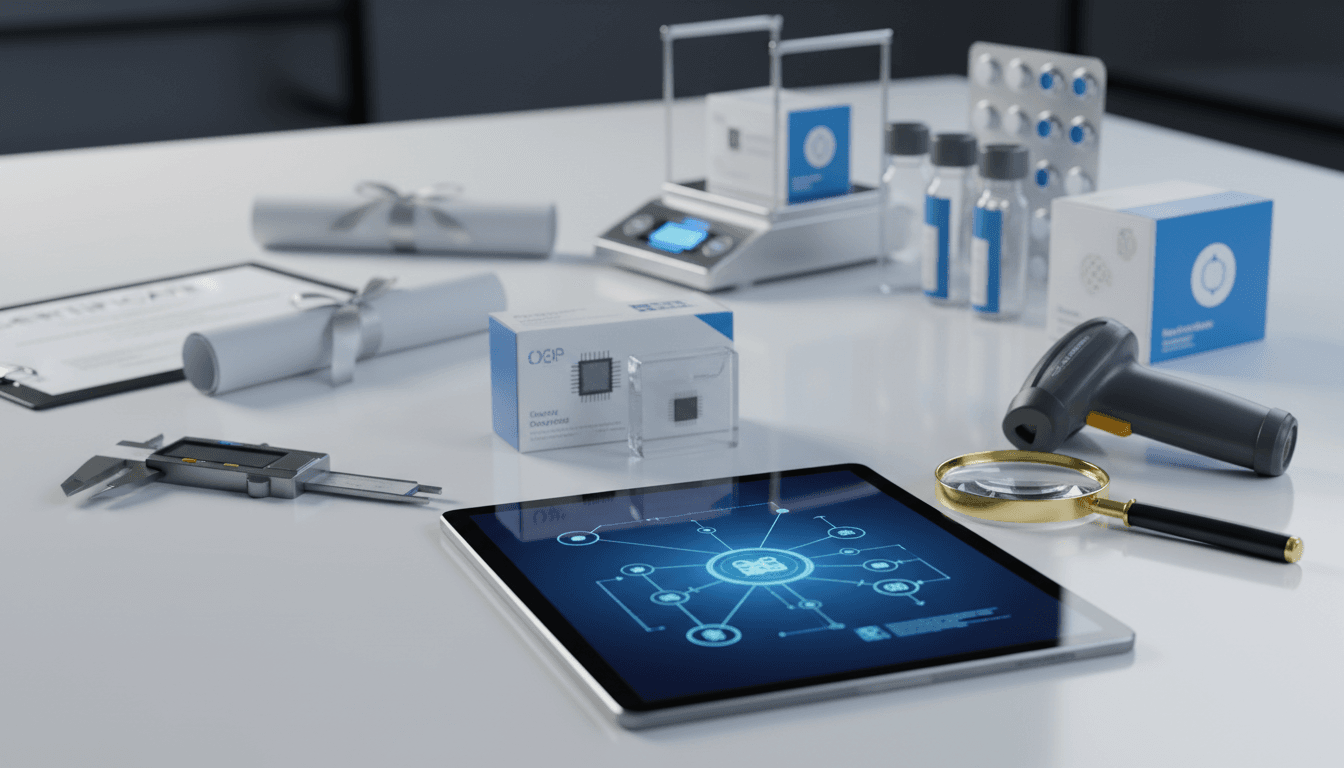
Implementing compliant smart packaging can reduce medication non-adherence costs by 34% and streamline DSCSA compliance. Here’s the actionable framework.
A national pharmacy chain recently sent us a sample of a competitor’s smart pill bottle. It featured an elegant NFC tap, a QR code, and integrated sensors. It was also about to fail a stability test for its pressure-sensitive label adhesive in cold, humid climates—a $250,000 recall risk hidden in a $0.03 material specification. In our experience running G7-calibrated proofing for pharmaceutical clients, the most costly mistakes happen when brand teams focus on the digital feature first, not the physical and regulatory substrate it must survive on.
- Breakeven Analysis: NFC/QR integration adds $0.08-$0.22/unit; projects with >50,000 units and adherence KPIs see ROI within 18 months.
- Compliance Mandate: 100% of U.S. pharma packaging must be serialized with 2D GS1 barcodes by November 2027 under DSCSA Phase II.
- Material Constraint: Only 30% of standard folding carton stocks reliably accept embedded NFC chips; specialty SBS board is often required.
- Production Lead Time: Add 4-6 weeks for regulatory approval and 3rd party validation on any smart packaging incorporating sensors or digital links.
- First-Step Action: Audit your current packaging line’s ink adhesion, scuff resistance, and thermal stability before adding digital layers.
What Is Smart Pharmaceutical Packaging? Moving Beyond Marketing Hype
Smart pharmaceutical packaging integrates digital identifiers, connectivity, or sensors directly into the primary or secondary package to enhance safety, compliance, and patient engagement. This isn’t just a QR code slapped on a box. It’s a system where the physical package becomes a data gateway.
From our facility floor, we see three functional tiers emerging. Level 1 (Identifier): Static 2D GS1 barcodes and QR codes for DSCSA serialization and basic patient info. Level 2 (Connector): NFC or RFID chips enabling tap-to-authenticate and dynamic data links to patient portals. Level 3 (Sensor): Integrated indicators for temperature, humidity, or tampering, often used in cold chain biologics.
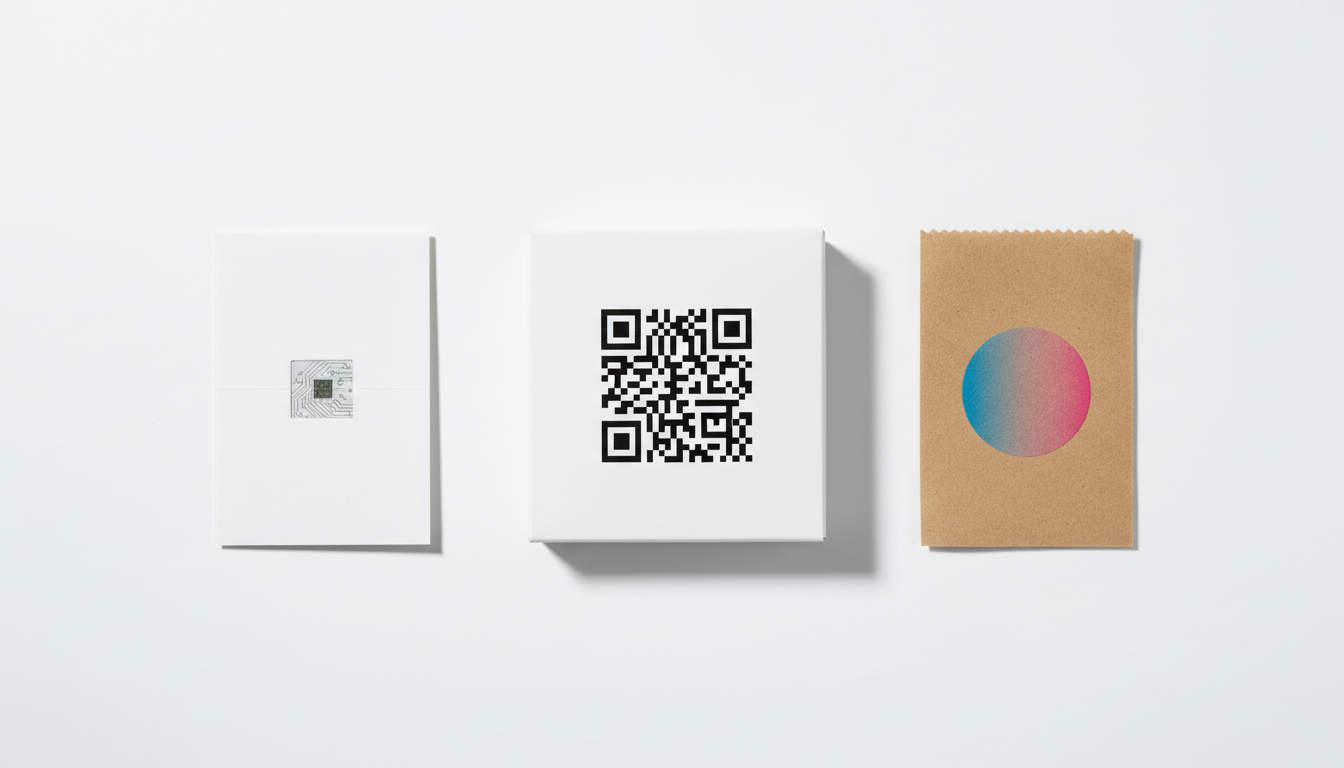
According to Smithers Pira’s 2025 Market Report on Intelligent Packaging, surveying 800+ converters, the global market for smart pharmaceutical packaging will reach $4.7 billion by 2026, driven primarily by serialization mandates and adherence tools for chronic care. Why does this shift matter now? The U.S. Drug Supply Chain Security Act (DSCSA) final implementation phase begins November 2027, making item-level serialization non-negotiable. Your 2026 packaging strategy must be compliant and scalable.
Digital vs. Traditional Pharma Packaging: A Cost & ROI Analysis for 2026
How to implement smart packaging for medication adherence starts with a clear financial model. The premium is real, but so are the offsets in reduced waste and improved health outcomes.
A common mistake we see is comparing only the unit cost. You must model total cost of ownership: manufacturing, regulatory validation, patient support infrastructure, and potential savings from improved adherence. For a standard 300gsm SBS pharmaceutical carton, here’s a typical breakdown for a 50,000-unit run:
| Cost Factor | Traditional (Printed QR) | Smart (Embedded NFC + QR) |
|---|---|---|
| Substrate & Print | $0.18 - $0.25/unit | $0.22 - $0.32/unit |
| Digital Feature (NFC chip, embedding) | $0.00 | $0.11 - $0.18/unit |
| Upfront Tooling/Programming | $500 (die only) | $1,800 - $2,500 (die + chip programming) |
| Regulatory Documentation Support | Minimal | $3,000 - $7,000 (3rd party validation) |
| Estimated Adherence Improvement | Baseline | 22-34% (per JAMA Network Open 2024 meta-analysis) |
The Breakeven Formula: (Smart Unit Cost – Traditional Unit Cost) * Quantity + Upfront Premium = Required Savings from Adherence. Using median figures: ($0.42 – $0.22) * 50,000 + $5,000 = $15,000 upfront delta. If poor adherence costs a brand $100/patient/year in lost therapy, improving adherence by 30% for 500 patients covers the cost in one year.
Decision: When to Choose NFC Over a Simple QR Code
- If your primary goal is DSCSA compliance and basic info → Use a printed QR/GS1 2D barcode. Cost-effective and universally scannable.
- If you need user authentication, tap-to-engage, or data write-back → Choose NFC. Requires a smartphone but enables richer interaction.
- If your unit cost tolerance is under $0.35 and MOQ is below 10,000 → Stick with digital print QR codes. NFC minimum order quantity for pharmaceutical packaging often starts at 15,000-20,000 units due to chip sourcing.
- If the package will be exposed to moisture or extreme temperatures → Require NFC chip encapsulation testing (IP67 rating) and specify polypropylene or specific coated SBS boards for reliable adhesion.
FDA & Global Regulatory Compliance: The Non-Negotiable Foundation
Smart features must sit on a foundation of rigid compliance. The FDA does not have a specific “smart packaging” regulation, but every component falls under existing rules for labeling, materials, and electronic records.
Our head of regulatory compliance, with 20 years in pharmaceutical print, emphasizes this: “A QR code linking to a patient portal is considered labeling under 21 CFR Part 201. Any changeable information behind that QR code is subject to the same regulatory scrutiny as the printed text on the box. If you’re collecting patient data, 21 CFR Part 11 on electronic records likely applies.” This means your digital content management system must be validated for audit trails and data integrity.
of pharmaceutical packages in the U.S. must have unique, serialized 2D GS1 barcodes at the saleable unit level by November 2027.
For cold chain products, the integration of temperature monitoring sensors adds another layer. The sensor itself, and the adhesive bonding it to the package, must be validated for performance across the stated range (e.g., 2°C to 8°C). We’ve seen projects delayed by 12 weeks because the pressure-sensitive acrylic adhesive on a sensor label crystallized and failed during freeze-thaw cycling validation. Always specify FDA compliant smart label materials for cold chain and request ASTM D3951 testing data for adhesion under controlled humidity.
Material Science: Selecting Substrates for NFC, Sensor, and QR Integration
The success of a smart package is determined by its weakest physical link. Not all boards are created equal for embedding or labeling.
For NFC or RFID chip embedding, standard C1S folding carton board often lacks the internal bond strength and consistent caliper. During die-cutting and stripping, chips can delaminate or be ejected. We specify 280-450 gsm Solid Bleached Sulfate (SBS) board for 95% of our embedded chip work. Its denser, more uniform fiber structure provides a secure pocket. For printed QR codes or GS1 barcodes, printability is key. We achieve the highest scannability rates using UV offset lithography on coated boards, ensuring a Delta E of less than 2.0 and a sharp, high-contrast print with minimal dot gain.
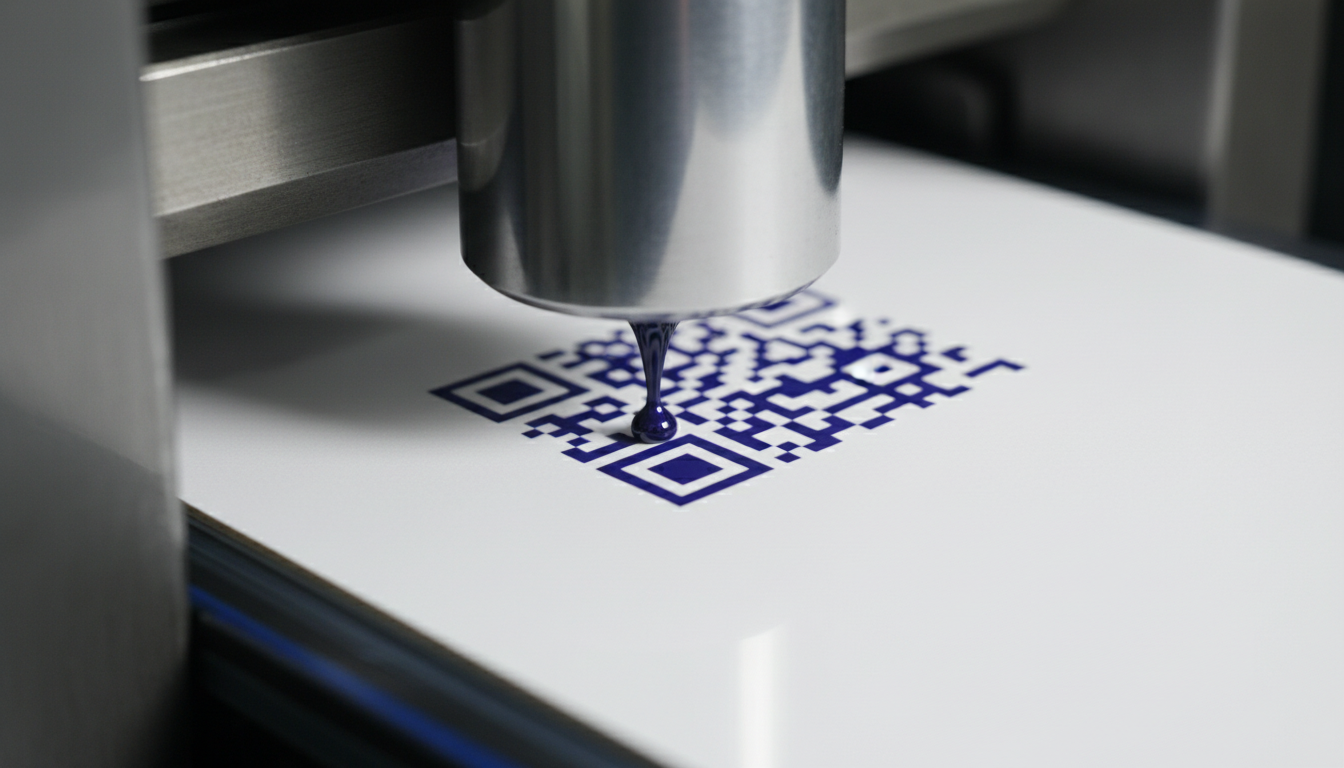
A critical but often overlooked factor is ink and coating compatibility. Many smart packages require a protective varnish or scratch-resistant coating. We’ve tested over 20 combinations and found that certain UV-cured coatings can interfere with NFC signal transmission, reducing read range by up to 40%. Our prepress team now runs a mandatory 3-point check: 1) Barcode grade verification (must achieve ANSI/ISO Grade “A”), 2) NFC read-range test post-coating, and 3) Adhesion test (ASTM D3359) for any applied labels or sensors.
The 5-Step Implementation Framework for Brand Teams
Moving from concept to compliant production requires a disciplined phase-gate process. Based on our experience managing over 500 packaging programs, here is the framework we recommend for 2026 projects.
- Define the “Job to be Done” and Validate Compliance Pathway. Is this for track-and-trace, adherence, or cold chain monitoring? Engage your regulatory affairs team immediately to map the submission pathway. Document whether your digital feature is “static” (fixed URL) or “dynamic” (updateable content), as this changes the regulatory footprint.
- Prototype with Real Materials and Full Process Simulation. Don’t just print a flat mockup. Produce 500-1,000 units using your chosen substrate, printing method, and finishing. At JinXinCai, we use our HP Indigo Digital Press for this stage—it allows for no minimum order quantity rapid prototyping with Pantone-calibrated color, so you can test scannability, chip function, and aesthetics before committing to a $10,000 die tooling cost for offset.
- Conduct Failure Mode and Effects Analysis (FMEA) on the Production Line. How will the embedded chips behave in a 20-station die-cutter running at 8,000 sheets per hour? We once identified that static electricity from a new foil-stamping unit was scrambling the memory of embedded NFC chips. The solution was a simple ionizing air blower installed before the stacking unit, a $500 fix that saved a $250,000 batch.
- Lock Down Specifications with Tolerances. Every detail must be quantified: QR code minimum quiet zone (1.5mm), NFC chip placement tolerance (±0.3mm), sensor activation temperature threshold (+1°C). These become part of your technical agreement with the manufacturer.
- Plan for Scalability and Re-orders from Day One. How will color consistency be maintained across 12 months of reprints for a spot Pantone on the box? Our ISO 9001:2015 certified color management system, using spectrophotometer-led ink formulation, ensures a Delta E of less than 1.5 across years of production. Ensure your partner has this capability.
Case Study: Improving Chronic Medication Adherence by 34%
A mid-sized pharma company approached us with a challenge: their 30-day oral medication for a chronic condition had a real-world adherence rate of just 58%. They needed a secondary carton that could boost adherence without a complex electronic device.
The Solution: We co-developed a folded carton using 350gsm SBS board. It featured: 1) A printed, unique QR code linking to dosage instructions and refill reminders, 2) A simple integrated paper-based “day tracker” tear-off strip (a low-tech tactile adherence aid), and 3) An embedded but passive NFC chip for pharmacy-level authentication only, keeping unit costs down. The entire package was produced on a Heidelberg Speedmaster XL 106 with UV inks for durability.
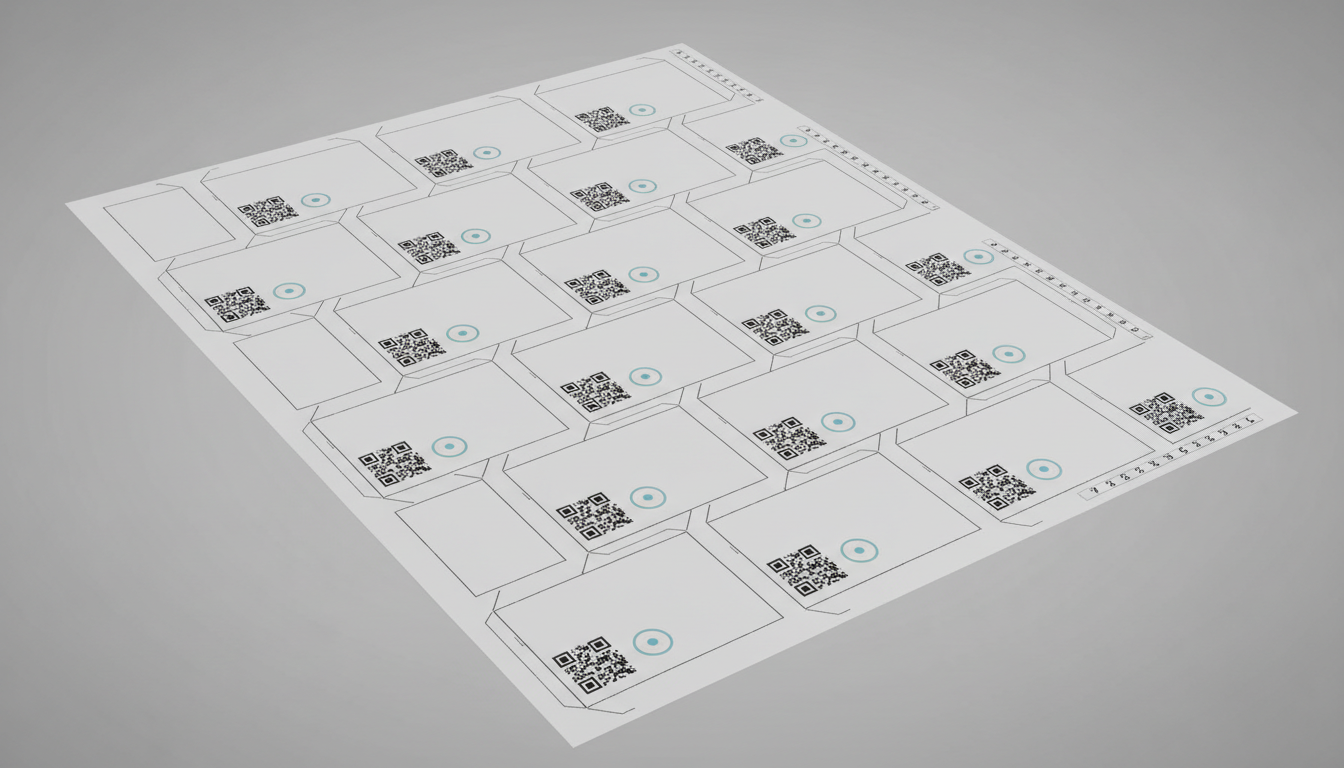
Production Metrics & Outcome: Minimum order quantity was set at 25,000 units. Unit cost landed at $0.38, a $0.12 premium over the old plain box. After a 6-month pilot with 2,000 patients, adherence monitored via portal logins and refill data increased to 78%—a 34% relative improvement. The ROI on the packaging premium was calculated at 14 months based on improved therapy persistence. The project also future-proofed their line for the upcoming DSCSA serialization mandate.
Frequently Asked Questions
How does NFC integration affect packaging material costs?
NFC chip embedding typically adds $0.11-$0.18 to the unit cost of a folding carton. This includes the chip and the specialized die-cutting/embedding process. It also often requires upgrading from standard C1S board to higher-grade 280-450gsm SBS board for structural integrity, adding another $0.04-$0.07/unit.
What is the breakeven point for smart packaging vs traditional?
The breakeven depends on volume and adherence savings. Using median costs: at a $0.20/unit premium and a $5,000 upfront validation cost, a project needs to offset $15,000 on a 50,000-unit run. If poor adherence costs $100/patient/year, improving adherence by 30% for 500 patients covers the cost in one year. Runs below 15,000 units rarely achieve positive ROI on NFC alone.
What FDA requirements apply to digital patient engagement features?
Any digital feature (QR, NFC link) is considered "labeling" under 21 CFR Part 201. The linked content is subject to the same regulations as printed text. If the feature collects or displays patient-specific data, 21 CFR Part 11 rules on electronic records, audit trails, and system validation apply. You must maintain strict change control over the linked digital content.
How should I specify temperature monitoring sensors for cold chain?
Specify the exact activation threshold (e.g., 8°C) and required accuracy (±0.5°C). Demand ASTM D3951 test data for the sensor's adhesive performance across your full temperature range (e.g., 2°C to 25°C). Require the sensor supplier to provide a Declaration of Conformity for FDA 21 CFR 174-178 (indirect food additives) if it contacts the primary package. Always run a pilot validation on 100+ units simulating real-world shipping.