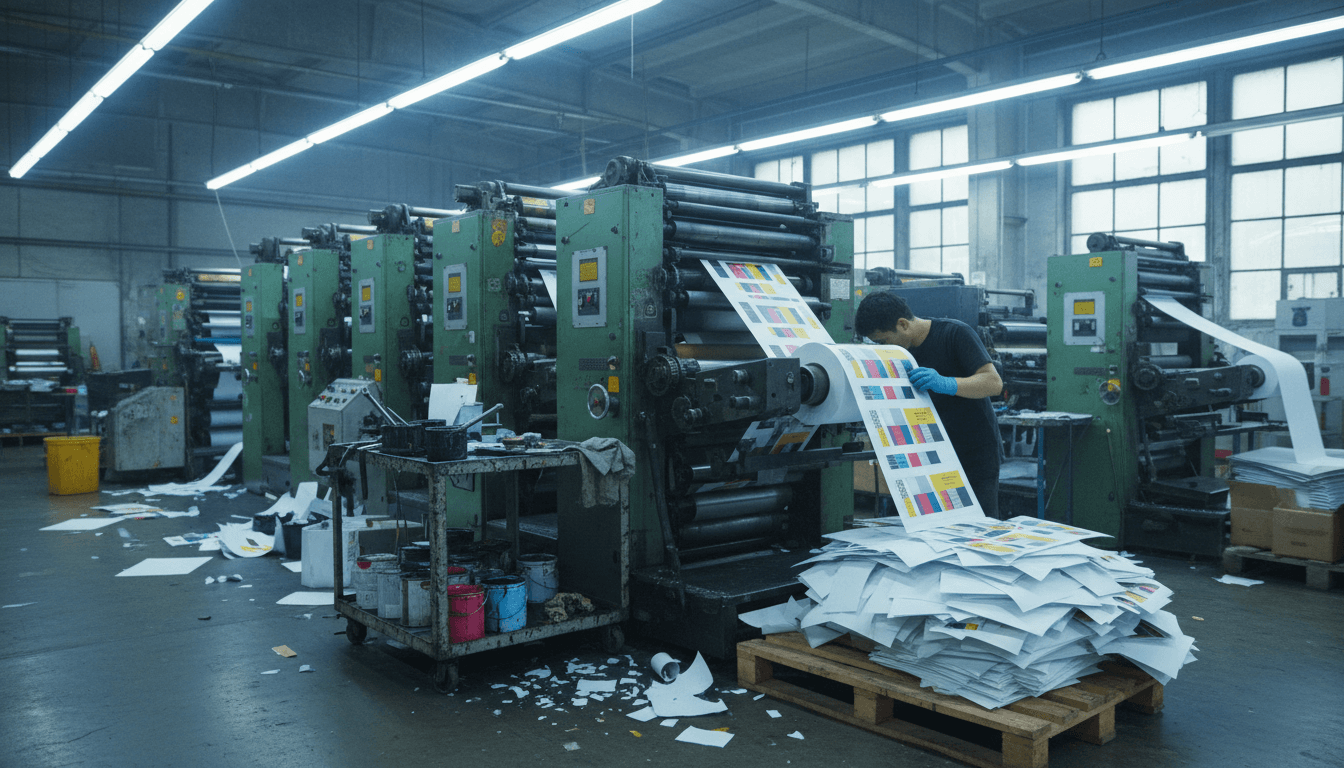
Choosing a sustainable packaging manufacturer requires evaluating material science, structural integrity, and verifiable supply chains—not just marketing claims.
Your new product line is ready for launch, but the packaging quote just landed. The supplier touts "eco-friendly" materials, yet the cost is 40% higher than standard options. You have no data on the recycled content's source, the coating's compostability, or the actual carbon footprint reduction. This isn't a sustainability investment; it's a costly gamble on unverified claims. Selecting the right sustainable packaging manufacturers demands a forensic approach to material sourcing, manufacturing integrity, and total lifecycle impact.
- True sustainability requires third-party verification (FSC, ISO 14001) and transparent supply chain mapping, not just marketing claims.
- Material choice directly impacts protection: recycled kraft paperboard can have 15-20% lower burst strength than virgin fiber, affecting shipping durability.
- Customization for folding cartons and corrugated boxes now includes structural design for right-sized packaging, reducing material use by up to 30%.
- Total cost analysis must include waste disposal fees, potential tariff advantages for green materials, and brand value from consumer perception.
- Future-proof partners invest in water-based inks, mold-resistant bio-coatings, and pilot programs for smart, circular economy packaging.
What Defines a Truly Sustainable Packaging Manufacturer?
A truly sustainable manufacturer operates on verifiable data, not vague promises. It's defined by certified material sourcing, audited production waste streams, and transparent reporting on carbon footprint.
The core differentiator is traceability. Can the supplier provide a chain of custody for its FSC-certified materials back to the managed forest? Do they track and report the percentage of post-consumer recycled (PCR) content in each batch of kraft paperboard? Manufacturers leading the evolution, like JinXinCai Printing, integrate their ISO 14001 environmental management systems directly with production planning, minimizing off-cuts and optimizing material yield from the first design proof.
"Sustainability is a production metric, not a marketing department. You measure it in kilograms of waste diverted, liters of solvent eliminated, and square meters of material saved through precise structural design." – Senior Packaging Engineer
How Do Advanced Materials Impact Product Protection & Brand Image?
Advanced biodegradable packaging materials must meet or exceed the performance of their traditional counterparts. The impact is twofold: ensuring product safety throughout the supply chain and communicating brand values through tactile and visual cues.
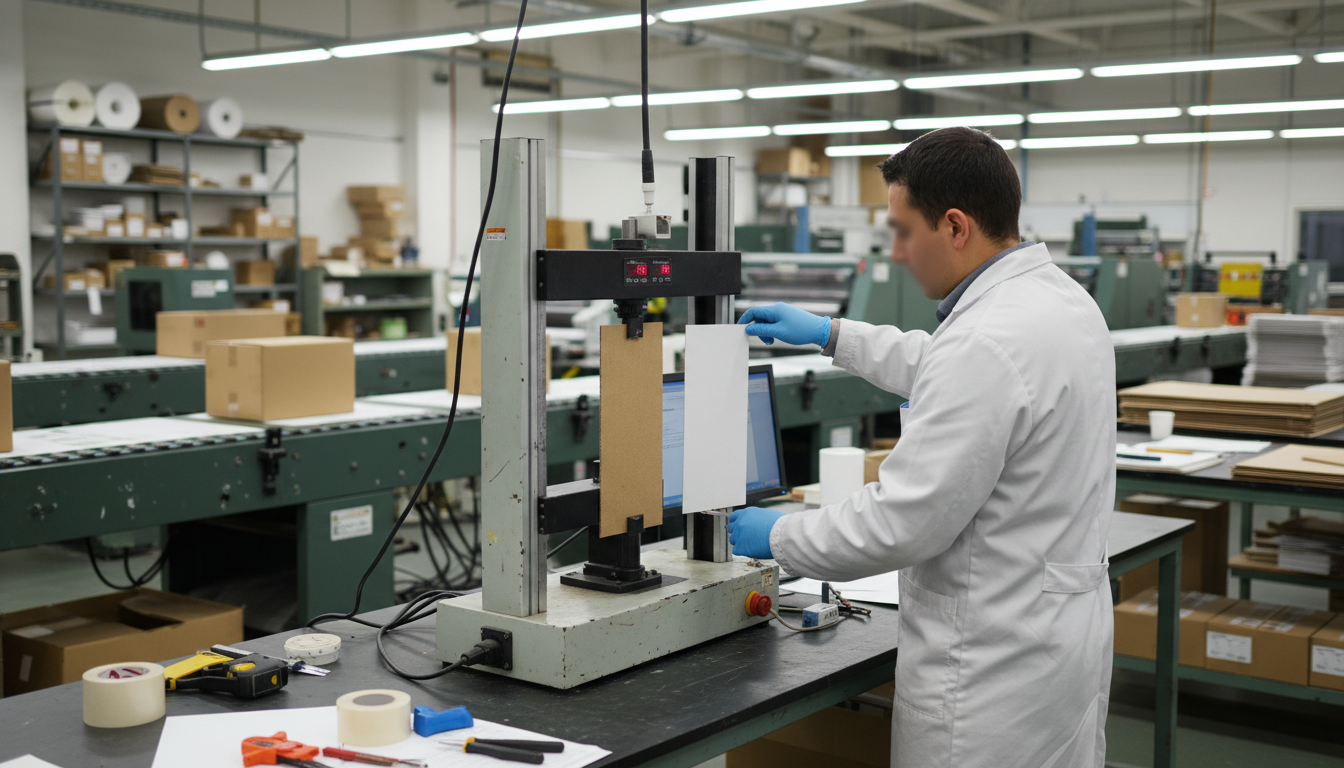
Consider a luxury skincare brand switching to molded fiber trays from virgin plastic clamshells. The eco-friendly packaging solution must be rigorously tested for mold resistance in humid transit, compatibility with the product's oils, and sufficient cushioning to pass ISTA 3A drop tests. The cost analysis extends beyond unit price to include reduced damage rates and enhanced brand premium. A failure in protection erodes consumer trust faster than any sustainability claim can build it. This is where expertise in specialty material options becomes critical, pairing material science with real-world logistics stress testing.
What Customization Options Exist for Folding Cartons & Corrugated Boxes?
Customization for custom folding carton suppliers and corrugated box manufacturers has evolved from simple print to intelligent structural design. The goal is right-sized packaging that uses the minimum material without compromising integrity.
Beyond standard RSC (Regular Slotted Container) boxes, advanced manufacturers offer a library of structural designs—auto-bottom boxes, crash-lock bottoms, telescoping styles—that can be digitally prototyped. For a subscription meal kit service, a manufacturer might design a minimalist packaging system using precisely scored, single-wall corrugated with integrated dividers, eliminating the need for separate plastic liners and reducing void fill by 60%. The customization process should start with a 3D model of your product to simulate packing efficiency, not with a catalog of pre-existing box styles.
How to Evaluate Manufacturing Capabilities: Printing, Finishing & Scale
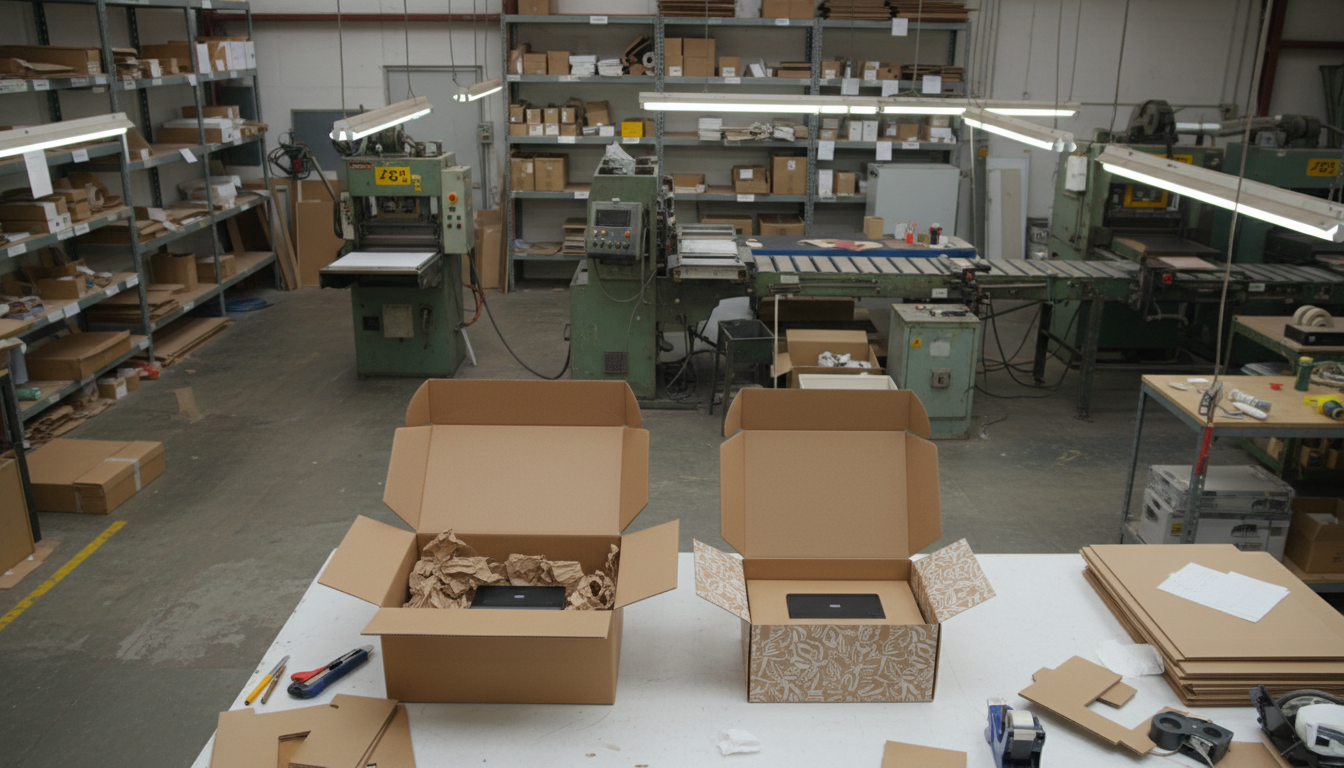
Evaluate capabilities by auditing the technology stack for environmental efficiency and quality consistency. Key differentiators include high-efficiency flexographic printing presses, water-based coating lines, and digital finishing for short runs.
For a run of 50,000 premium cereal boxes, a capable manufacturer would recommend offset printing with water-based inks and aqueous coating for a high-gloss, food-safe finish. They should provide G7-calibrated proofs to ensure color accuracy across the recycled content board, which can have a more varied base color. Scale is not just about volume, but flexibility. Can the facility efficiently run a 5,000-unit test market batch with the same quality as a 500,000-unit national rollout? This agility reduces waste from overproduction.
What Certifications & Transparency Metrics Should You Demand?
Demand certifications that are specific, audited, and relevant to your industry. Essential metrics include detailed lifecycle assessments (LCAs), material traceability reports, and energy consumption per thousand units produced.
For food and beverage packaging, certifications like BPI (Biodegradable Products Institute) for compostable packaging and FDA compliance for direct food contact are non-negotiable. Beyond certificates on a wall, demand the data behind them. A serious manufacturer will share their annual sustainability report detailing reduced carbon footprint initiatives, such as switching to solar power or optimizing truckload logistics. Supply chain transparency means they can identify the mill that produced their paperboard and the recycling facility that supplied their PCR content.
of consumers are willing to pay a premium for products in packaging that clearly demonstrates environmental credentials.
Get a detailed breakdown of your packaging's potential carbon footprint reduction and cost implications with a free, data-driven audit.
Get a Free Quote →Calculating Total Cost: Sustainability vs. Traditional Packaging
The total cost analysis must factor in material, manufacturing, logistics, waste disposal, and brand value. While sustainable materials often have a higher unit cost, they can lower total expenditure through efficiency gains and risk mitigation.
A true comparison for biodegradable packaging materials cost includes line-item variables often hidden in traditional models: lower municipal waste fees for compostable waste, potential tariffs on plastic packaging in certain regions, and reduced damage rates from better-fitting, structurally sound designs. For a electronics manufacturer, using molded pulp from recycled newspaper instead of expanded polystyrene (EPS) foam might increase the unit cost by $0.15. However, it eliminates foam disposal fees, reduces shipping volume by 20%, and aligns with corporate ESG mandates, protecting against future regulatory fines. The ROI is measured in total supply chain cost, not just P.O. line items.
Future Trends: Smart Packaging & Circular Economy Integration
The future is integration: packaging that communicates, protects, and then re-enters the supply chain as a technical nutrient. Trends point toward smart indicators for freshness, digital watermarking for recycling sortation, and take-back programs managed by the manufacturer.
Forward-thinking sustainable packaging manufacturers are piloting projects like corrugated boxes embedded with QR codes that link to recycling instructions, or using digital printing to create variable batch codes that track a package's journey for full supply chain transparency. The circular economy model pushes responsibility upstream; your manufacturer should have a plan for the end-of-life of the materials they sell you, whether through designed-for-disassembly, take-back schemes, or partnerships with commercial composting facilities. This shifts the relationship from transactional supplier to strategic lifecycle partner.
Frequently Asked Questions
How does FSC certification impact both sustainability claims and supply chain reliability?
FSC certification provides legal and ethical verification that wood fiber comes from responsibly managed forests. This protects your brand from greenwashing accusations and mitigates supply chain risk by ensuring long-term material availability from sustainable sources, avoiding volatility linked to deforestation or illegal logging.
What are the key durability differences between recycled kraft and virgin fiberboard for luxury goods?
Recycled kraft paperboard typically has shorter fibers, which can reduce its tear and burst strength by 15-25% compared to virgin fiberboard. For luxury goods, this may require a higher grammage (thicker board) or a hybrid construction with a virgin liner for a pristine printing surface, balancing sustainability with the required tactile rigidity and damage protection.
How should procurement teams balance biodegradability requirements with moisture resistance in shipping?
Specify a performance-based requirement: the packaging must pass a standardized test (like Cobb size test for water absorption) for your specific transit duration, while also meeting a recognized compostability standard (like ASTM D6400). Solutions include water-based inks and bio-based, mold-resistant coatings that provide a moisture barrier without PFAS or other persistent chemicals.
What minimum order quantities are typical for custom-printed sustainable packaging runs?
MOQs vary by process. For custom-printed corrugated boxes using flexographic printing, MOQs can start at 1,000-5,000 units. For offset-printed folding cartons on recycled stock, MOQs are often 10,000+ units to amortize plate costs. However, manufacturers like JinXinCai Printing leverage digital printing advancements to offer pilot runs in the hundreds for market testing, a critical step in avoiding overproduction waste.
Choosing a partner among sustainable packaging manufacturers is a strategic decision that affects your cost structure, brand equity, and regulatory compliance. The evolution is driven by partners who treat sustainability as an engineering discipline, providing data, not just promises. The next step is to move from evaluation to specification. Request a sample kit that includes your shortlisted materials—test them for compression, tear, and compatibility with your filling line. Then, commission a limited pilot run to validate performance in your real-world supply chain before full commitment.
Frequently Asked Questions
How does FSC certification impact both sustainability claims and supply chain reliability?
FSC certification provides legal and ethical verification that wood fiber comes from responsibly managed forests. This protects your brand from greenwashing accusations and mitigates supply chain risk by ensuring long-term material availability from sustainable sources, avoiding volatility linked to deforestation or illegal logging.
What are the key durability differences between recycled kraft and virgin fiberboard for luxury goods?
Recycled kraft paperboard typically has shorter fibers, which can reduce its tear and burst strength by 15-25% compared to virgin fiberboard. For luxury goods, this may require a higher grammage (thicker board) or a hybrid construction with a virgin liner for a pristine printing surface, balancing sustainability with the required tactile rigidity and damage protection.
How should procurement teams balance biodegradability requirements with moisture resistance in shipping?
Specify a performance-based requirement: the packaging must pass a standardized test (like Cobb size test for water absorption) for your specific transit duration, while also meeting a recognized compostability standard (like ASTM D6400). Solutions include water-based inks and bio-based, mold-resistant coatings that provide a moisture barrier without PFAS or other persistent chemicals.
What minimum order quantities are typical for custom-printed sustainable packaging runs?
MOQs vary by process. For custom-printed corrugated boxes using flexographic printing, MOQs can start at 1,000-5,000 units. For offset-printed folding cartons on recycled stock, MOQs are often 10,000+ units to amortize plate costs. However, manufacturers leverage digital printing advancements to offer pilot runs in the hundreds for market testing, a critical step in avoiding overproduction waste.