By 2026, pharmaceutical packaging must integrate digital traceability and patient adherence tech. Here’s a factory-floor guide to navigating the new material, printing, and compliance mandates.
The most impactful shift in pharmaceutical packaging isn’t a new material. It’s the mandatory convergence of the physical carton with a digital identity. By 2026, regulators and patients won't just see a box; they'll interact with a data hub. This moves serialization from a track-and-track necessity to the core of patient safety and therapy adherence.
Why it matters now: The FDA's increased scrutiny on supply chain integrity and the EU's Falsified Medicines Directive are creating a de facto global standard. We're already seeing RFPs that mandate embedded sensors and connectivity as a condition for bid qualification. If your packaging specs are still just about GSM and CMYK, you're two years behind.
Key Takeaways for 2026 Planning
- Q3-Q4 2024: Audit current packaging lines for digital print & variable data integration capability.
- By Q1 2025: Pilot a smart packaging initiative (e.g., QR-linked patient data) on a single SKU.
- 2026 Forecast: 30% of new drug launches will require integrated temperature or adherence monitoring, per Pharmaceutical Commerce data.
Trend 1: From Static to Dynamic — Packaging as a Connected Interface
What is Happening
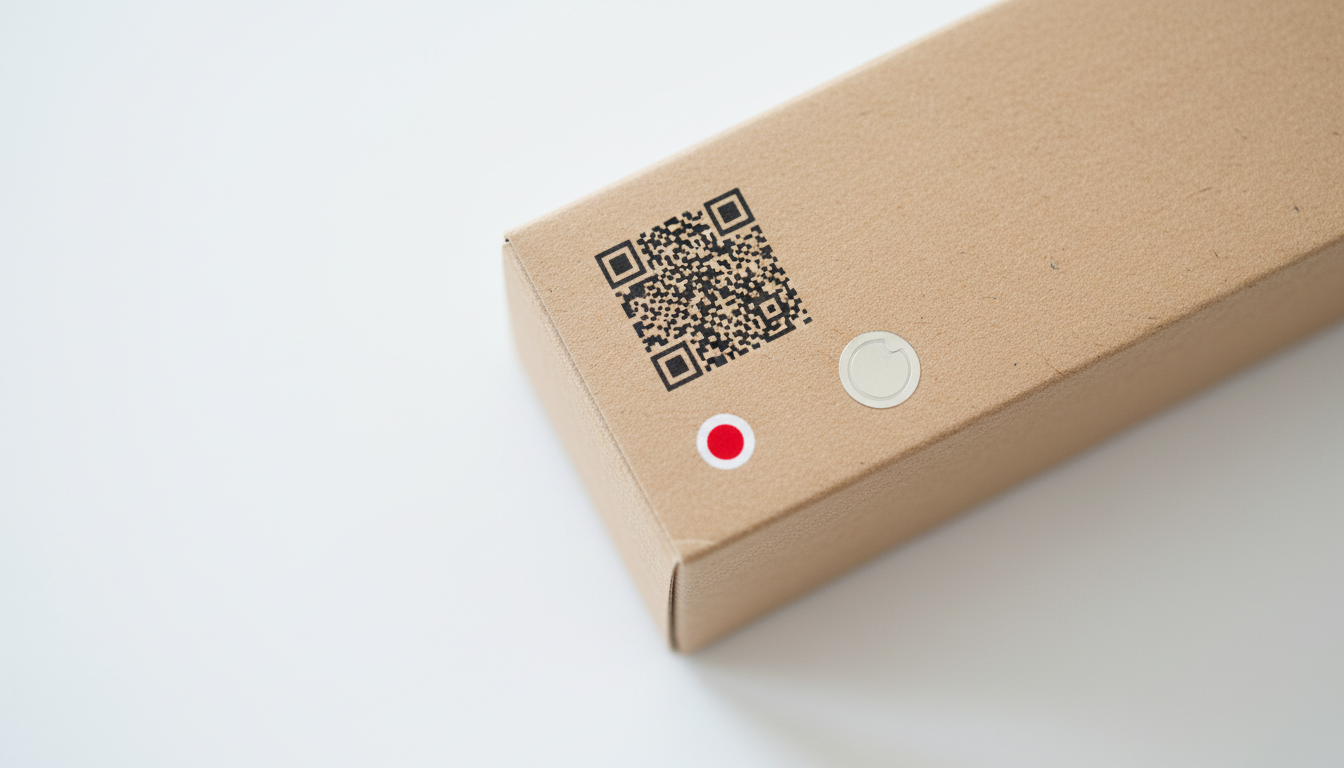
Packaging is becoming an interactive layer. We're moving beyond a simple GS1 barcode to packaging that incorporates Near Field Communication (NFC) chips, conductive inks for tamper evidence, and printed QR codes that link to dynamic, updatable content. The unit-level serialization required for track-and-track is now the foundation for patient-facing applications.
Why It Matters
This transforms compliance from a cost center to a value driver. Connected packaging can improve medication adherence by over 20%, according to a 2023 study published in the Journal of Medical Internet Research. For brand managers, this means packaging directly impacts patient outcomes and brand loyalty, not just regulatory checkboxes.
The Factory-Floor Detail Most Get Wrong
A common mistake we see is specifying NFC or RFID tags without planning the conversion process. On our Bobst die-cutting line, an incorrectly placed tag can jam the stripping station, causing hours of downtime. The substrate matters, too. A 300gsm SBS board provides a stable base for inlay insertion, while lighter stocks can warp.
“The biggest hurdle isn't the technology; it's ensuring the smart element survives folding, glueing, and cartoning at 8,000 units per hour. That's where print manufacturing expertise is non-negotiable.” — Zhang Wei, Senior Packaging Engineer
How to Prepare: A Decision Framework
Decision: Selecting Your Digital Interface
- If your goal is mass serialization & basic patient info → Use high-resolution (1200 x 1200 dpi) digital printing for unique QR codes. No plate costs, MOQ as low as 500 units.
- If you need data write-back (e.g., dose logging) or enhanced anti-counterfeiting → Integrate NFC tags. Budget for the inlay cost ($0.07-$0.15 per unit) and validate read/write speed on your packaging line.
- If the product is sensitive to electromagnetic interference → Opt for printed conductive ink circuits for tamper evidence. Requires specialist material sourcing and precise print registration.
Trend 2: The Cold Chain Integrity Mandate Gets Specific
What is Happening
Passive monitoring is becoming the baseline for temperature-sensitive drugs. We're shifting from generic "keep cool" labels to integrated Time-Temperature Indicators (TTIs) and thermochromic inks that provide an irreversible, visual history of exposure. The new requirement is proof, not just promise.
Why It Matters
A single logistics failure can result in a multi-million dollar recall and, more critically, patient risk. Verifiable cold chain integrity is now a key component of 21 CFR Part 11 compliance for electronic records. Your packaging must generate its own audit trail.
of biopharma products will require temperature-controlled logistics by 2026.
A Common Specification Mistake
Clients often specify a TTI adhesive label as an afterthought. When applied to a coated carton, adhesion failure in high humidity is a real risk. In our experience, the solution is either direct printing of thermochromic ink (activated at a specific temperature) or designing the carton with a dedicated, uncoated window for the TTI label to bond to.
How to Prepare: Trade-Off Analysis
Here’s the cost versus assurance calculation for three common approaches:
| Monitoring Method | Cost Add (per unit) | Data Provided | Best For |
|---|---|---|---|
| Printed Thermochromic Ink | $0.005 - $0.02 | Visual threshold breach (yes/no) | Lower-cost drugs with a clear temp threshold. |
| Adhesive TTI Label | $0.03 - $0.10 | Visual cumulative exposure history | Mid-range biologics; requires robust adhesion planning. |
| Electronic Data Logger | $4.00 - $10.00+ | Full temperature history with timestamps | High-value clinical trials, gene therapies. |
Breakeven Formula: If a recall costs $2M and affects 100,000 units, the per-unit recall cost is $20. Investing in a $0.10 TTI label per unit is justified if it reduces the statistical probability of a temperature-related recall by more than 0.5%.
Trend 3: Digital Printing Becomes the Engine for Compliance & Personalization
What is Happening
Offset printing is no longer the default for pharmaceutical primary packaging. The need for unique serialization codes, multi-language patient leaflets in one batch, and rapid versioning for clinical trials is driving adoption of high-quality digital presses like the HP Indigo. This is about agility as much as compliance.
Why It Matters
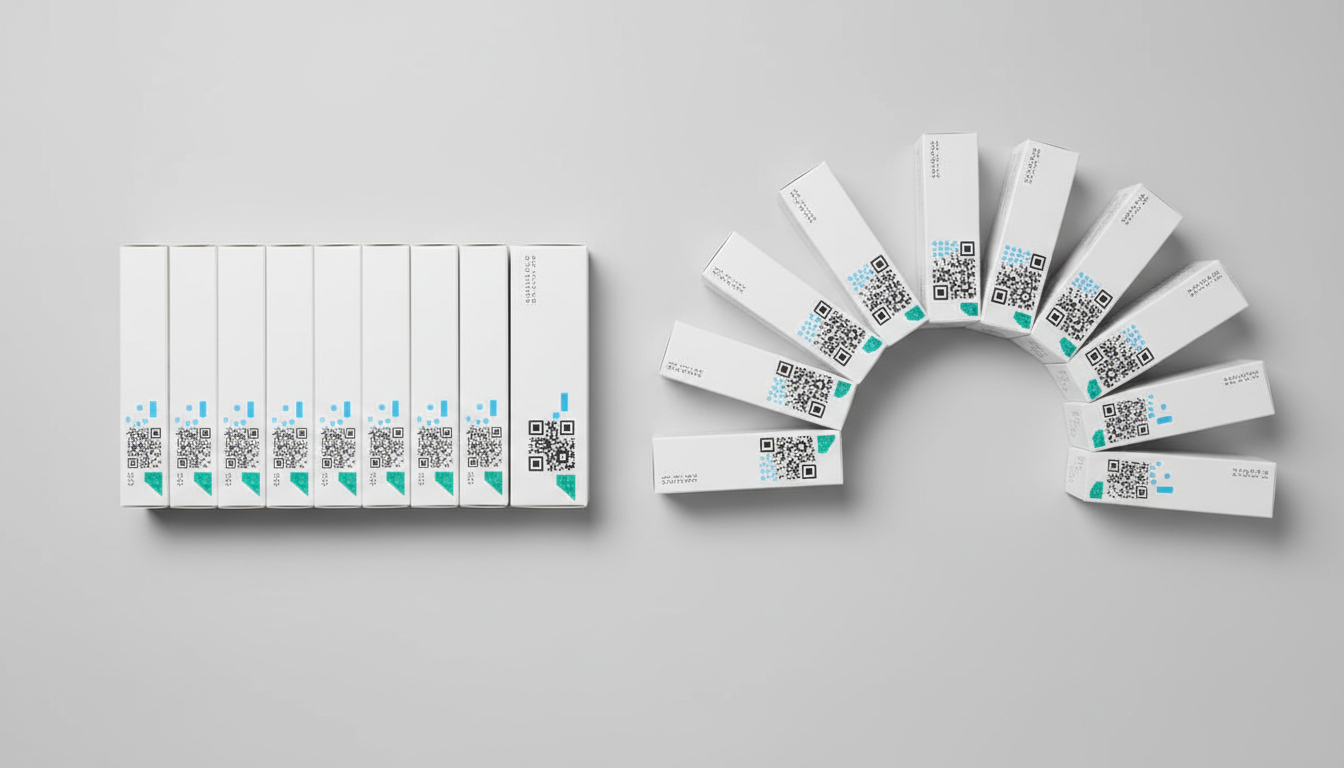
It reshapes supply chain logistics. You can hold blank, approved cartons and print country-specific batches on demand, slashing inventory costs. For our client producing a drug for a rare disease, we used our HP Indigo to print batches of 500 units with unique IDs, bypassing the $500 plate charge and 5-day lead time of offset.
The Detail That Makes the Difference
Digital print adhesion on pharmaceutical-grade SBS board is critical. Not all coatings are compatible. We run extensive adhesion (tape) and rub resistance tests using IGT or Sutherland Rub testers before production. The wrong primer or overcoat can cause ink to flake, contaminating the product.
How to Prepare: Choosing Your Print Method
Use this framework for your next SKU launch or redesign:
Cost Analysis: For a 300gsm SBS carton in 5 colors. Digital: ~$0.38/unit at 5,000 pcs. Offset: ~$0.22/unit at 50,000 pcs (including plate/tooling amortization). The crossover point is typically between 15,000-20,000 units for standard artwork.
Frequently Asked Questions
How does serialization affect packaging lead times and costs?
Serialization typically adds 2-4 days to lead times for initial setup and validation. For digital printing, the per-unit cost increase is minimal ($0.01-$0.05), but offset runs require amortizing new plate costs, adding roughly $500-$1500 per SKU to the initial batch.
What is the breakeven point for digital vs. offset printing for variable data?
The breakeven for digital vs. offset printing is typically between 15,000-20,000 units for a standard 5-color carton. Below this, digital's lack of plate costs and low MOQs (as low as 500 units) make it more economical for serialized batches.
What adhesive specifications are required for cold chain labels?
Cold chain Time-Temperature Indicator (TTI) labels require permanent acrylic adhesives with a minimum peel adhesion of 40 oz/in on stainless steel. They must maintain bond integrity at 100% relative humidity and temperatures from -20°C to 40°C to prevent failure.
How do I validate my packaging supplier's FDA compliance documentation?
Request and audit three key documents: 1) A valid Drug Establishment Registration (FDA Form 2656), 2) Current Good Manufacturing Practice (cGMP) certification for their print facility, and 3) a Certificate of Analysis (CoA) for all inks and substrates proving 21 CFR compliance.