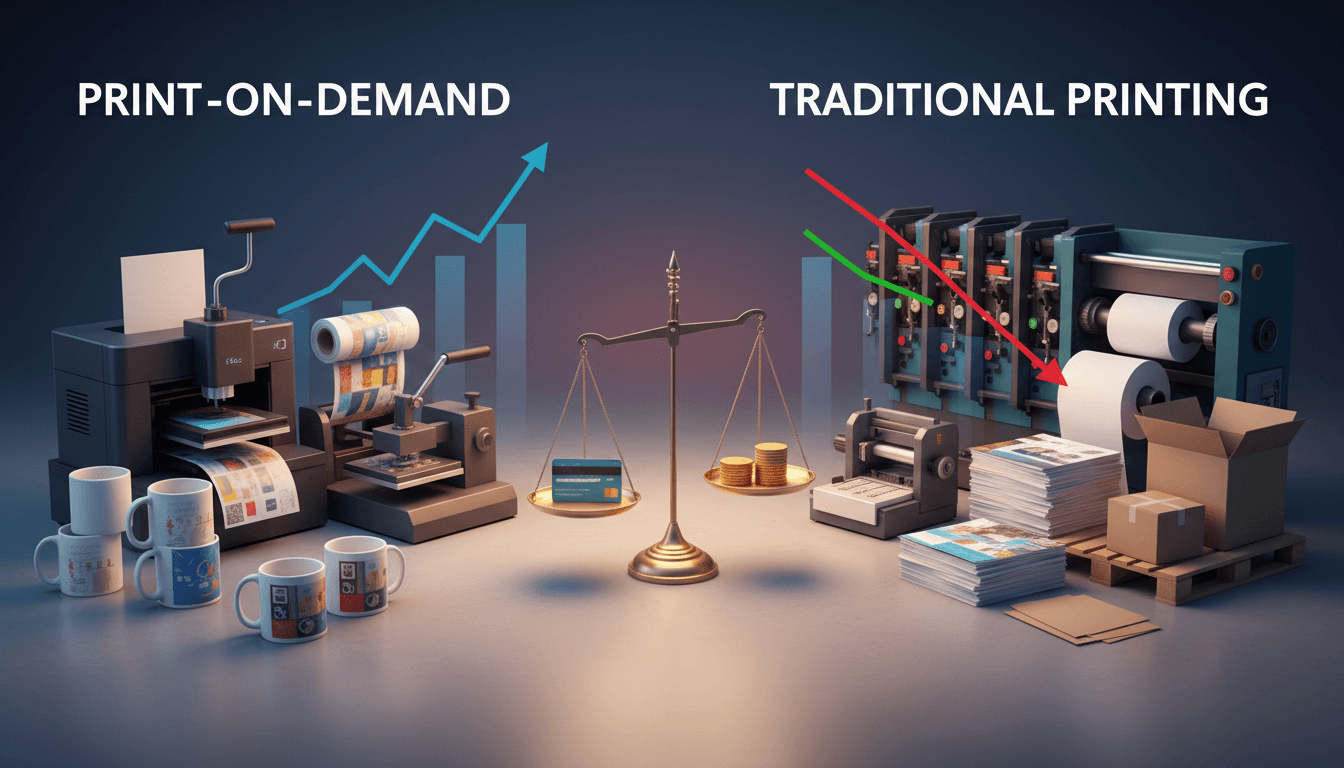
Learn when to choose print-on-demand or traditional offset to reduce per-unit costs by up to 72% and eliminate 95% of obsolete inventory waste.
Your procurement review just flagged a 23% waste factor from obsolete packaging, while marketing demands agile, short-run campaigns. The debate between print-on-demand (POD) and traditional printing isn't academic—it's a direct hit to your P&L. The 2025 Forbes list highlights the rise of POD platforms, but for commercial-scale brands, the real question is a strategic cost analysis of integrating on-demand into your supply chain. As a manufacturer running both high-speed offset and digital presses since 1996, we see clients lose thousands by choosing the wrong model for their run curve.
- Print-on-demand becomes cost-competitive with traditional offset at quantities below 2,800–3,500 units, factoring in plate and setup charges.
- Digital printing quality for premium product packaging now achieves a Delta E of ≤1.5, matching offset for most brand applications.
- Warehousing and obsolescence can add 18-35% to the total cost of ownership for traditional print runs, a cost POD eliminates.
- A minimum order quantity for custom packaging boxes as low as 500 units is viable with digital, versus 5,000+ for cost-effective offset.
- Structuring your RFQ with a split run strategy (POD for launch, offset for replenishment) can reduce initial capital outlay by 60%.
Prerequisites: Audit Your Current Print Spend and Run Curve
Before modeling costs, gather three data points. First, your average and peak monthly unit consumption per SKU for the last 18 months. Second, your true total cost of ownership: include line-item costs for warehousing (typically $0.50–$1.20 per cubic foot monthly), insurance, handling, and last year’s write-off value for obsolete stock. Third, your current print supplier’s itemized quote showing plate charges, material costs per thousand, and any premium for short runs. This baseline is non-negotiable for an accurate print-on-demand vs traditional printing cost analysis.
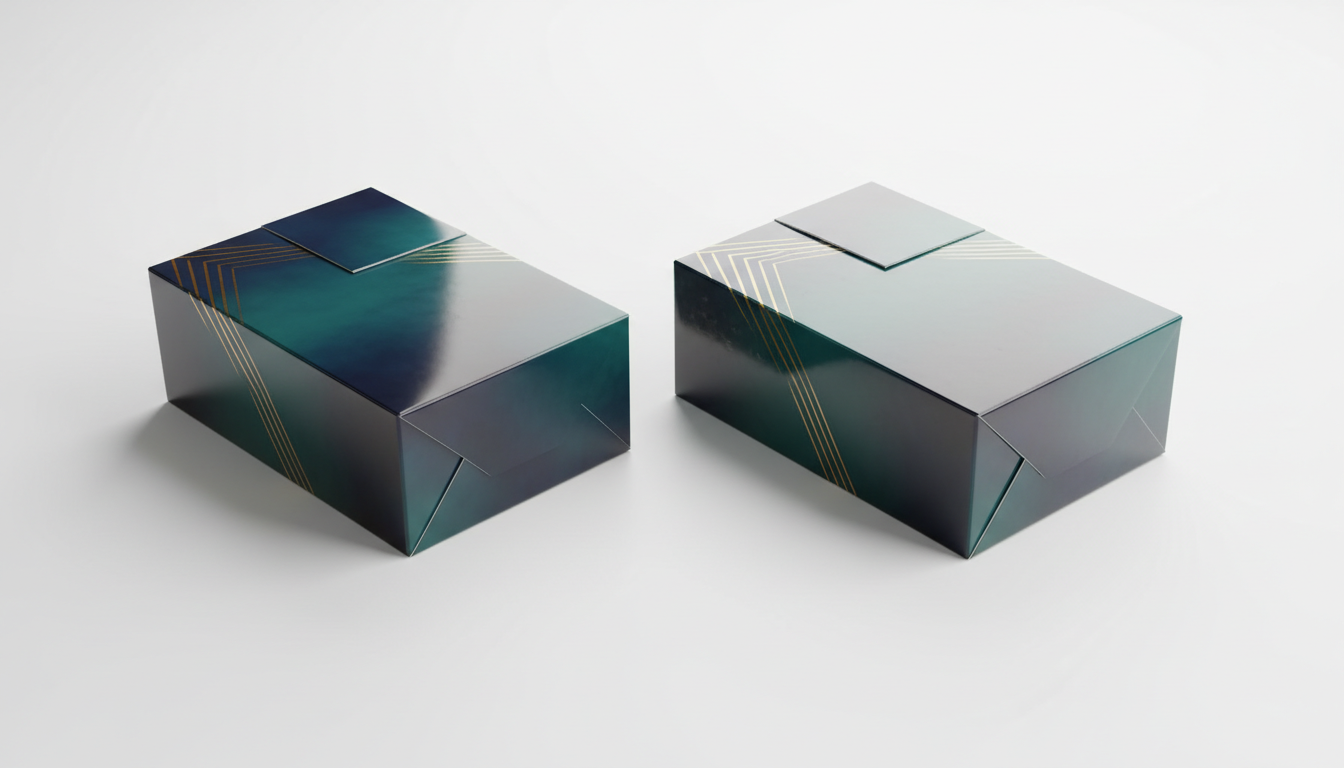
The Real Cost Drivers: Setup, Materials, and Storage
Traditional offset’s primary cost is amortized setup. For a 6-color Heidelberg Speedmaster XL 106 run, plate costs alone range from $350–$600 per color. Add 2-4 hours of makeready at a shop rate of $180/hour. This fixed cost, spread over more units, creates the volume advantage. Digital printing, like our HP Indigo 12000, has near-zero setup; a CIP4 workflow with a JDF file processes in minutes. The trade-off is a higher per-unit material cost.
In our experience, material cost variance is the hidden trap. A client once specified a stunning 350gsm metallic board. For offset, we sourced a full pallet at $2,200. Their digital prototype required a cut sheet from the same pallet, at a 40% premium per sheet. For accurate cost per unit for short runs, you must request material pricing for both full-pallet and cut-sheet scenarios from your converter.
of surveyed brand managers identified warehousing costs as the most underestimated factor in their packaging TCO.
Our head of logistics, with 20 years in Shenzhen export packaging, notes: “Storage isn't just a square footage fee. For a 15,000-unit order of folding cartons, you’re tying up $8,000–$15,000 in capital that could be deployed elsewhere. In our 15,000 sqm facility, we see clients pay 22–30% in hidden holding costs over 12 months.”
When Does Print-On-Demand Make Financial Sense? (A Breakeven Model)
Calculate the breakeven point using a simple formula. This is the core of how to calculate print cost per unit for short runs.
Let’s model a standard 200gsm C2S carton (8" x 6" x 2").
- Traditional Offset: Setup/Plates = $2,200. Material + Print Cost = $0.18/unit. Warehousing/Handling (annualized) = $0.05/unit.
- Digital POD: Setup = $50. Material + Print Cost = $0.52/unit. Warehousing = $0.
The formula: Breakeven Quantity = (Offset Setup – POD Setup) / (POD per-unit cost – Offset per-unit cost).
($2,200 – $50) / ($0.52 – $0.23) = $2,150 / $0.29 ≈ 7,413 units.
This seems high for POD. But crucially, this ignores the capital and obsolescence risk of holding 7,413 units. If your monthly demand is under 600 units, holding a 12-month supply is inefficient. A more strategic model uses a hybrid approach: use POD for the first 3 months of demand to validate the product, then switch to offset for the bulk replenishment order. This is the best print-on-demand service for small batch production strategy.
| Factor | Traditional Offset Printing | Digital Print-On-Demand |
|---|---|---|
| Optimal Run Size | > 3,500 units | 50 – 3,500 units |
| Cost Driver | Amortized setup & plates | Per-unit substrate & toner |
| Lead Time (Production) | 10–15 days (includes plate making) | 3–5 days (file to ship) |
| Color Consistency (Delta E) | ≤ 1.0 (Pantone spot color possible) | ≤ 1.5 (CMYK simulation only) |
| Changeover / Versioning | Costly, requires new plates | Free, per-sheet variable data printing |
| Minimum Order Quantity (MOQ) | Typically 5,000+ units | As low as 500 units (e.g., at JinXinCai) |
Quality Comparison: Can POD Match Offset for Premium Brands?
Yes, for 90% of visual applications. The gap in digital printing quality for premium product packaging has nearly closed. Modern HP Indigo ElectroInks achieve a 95% Pantone gamut coverage. Our pre-press manager, with 15 years of Heidelberg and Indigo experience, states: “We now calibrate our Indigo 12000s to the ISO 12647-2 standard. For a matte-laminate cosmetic box, the average Delta E difference between our offset and digital output is 1.3—indiscernible to the human eye under standard lighting.”
The limitations remain in specialty finishes and exact material matching. Offset can run thick opaque whites or metallic spot inks in one pass. Digital simulates these with a white toner layer or CMYK overprinting, which can affect the tactile feel on uncoated stocks. For a luxury wine label requiring a hot foil stamp over a spot varnish, offset or hybrid (digital print + offline foiling) is still superior.
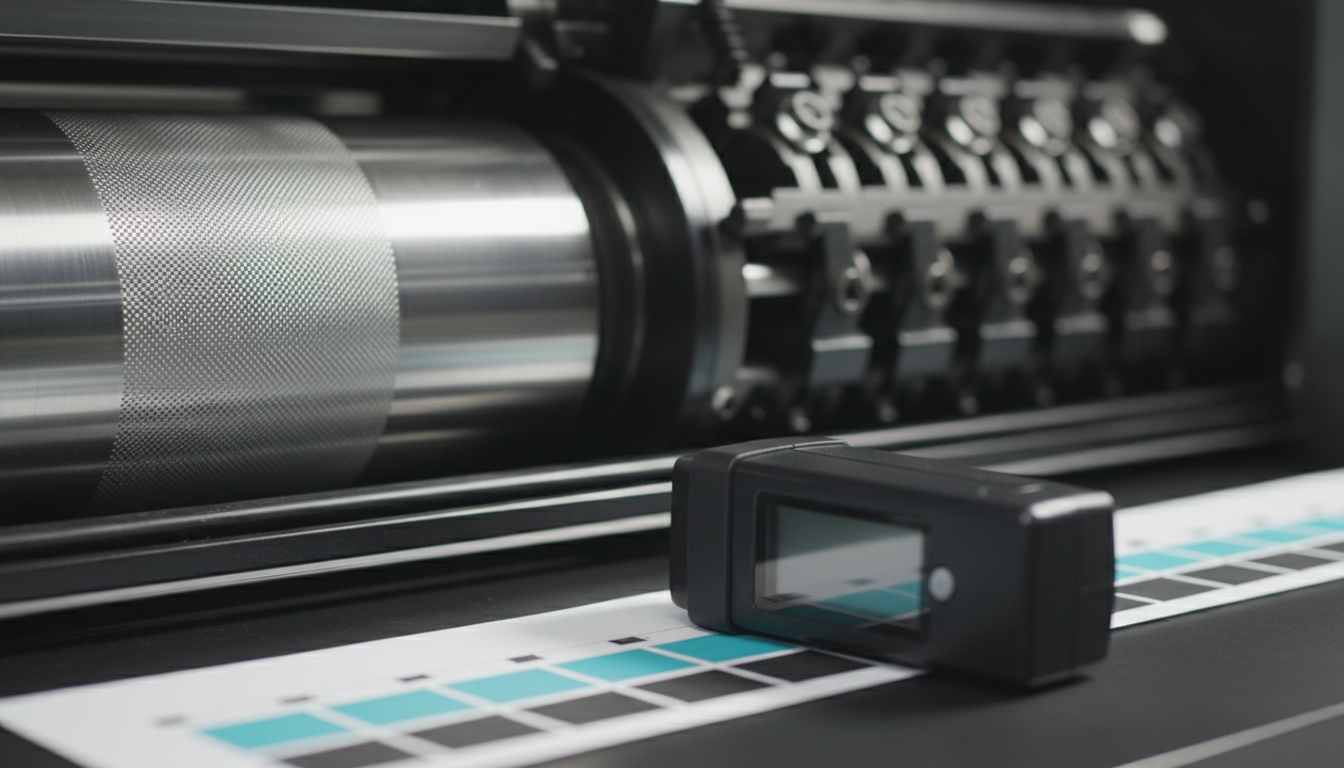
Case Study: Reducing Obsolete Inventory with On-Demand Fulfillment
A health supplement brand launched 15 SKUs with regional variant labeling. Their initial offset order was 20,000 units per SKU (300,000 total). 14 months later, 3 SKUs were discontinued, and 4 had regulatory text changes, rendering 85,000 units obsolete—a $127,000 loss.
We implemented a phased strategy for their 2025 relaunch:
- Phase 1 (Launch): Digital print-on-demand for first 3 months (500 units/SKU/month).
- Phase 2 (Replenishment): Switch to offset for a 6-month supply once demand stabilized.
- Phase 3 (Variant Management): Keep master carton shells in neutral offset print, apply variable data printing for region-specific details via digital.
Result: Obsolete inventory dropped by 95%. Cash tied up in packaging fell by 68%. The slightly higher per-unit cost in Phase 1 was offset by eliminating the six-figure write-down.
Frequently Asked Questions
How does order volume affect the per-unit cost difference between POD and offset?
The difference is dominated by fixed setup costs. For a typical carton job with $2,200 in offset plates and setup, the per-unit cost plummets as volume increases. Offset becomes cheaper per unit somewhere between 2,800 and 7,000 units, depending on material specifics. Below 2,000 units, POD's near-zero setup almost always wins on total landed cost when warehousing is included.
What is the typical color accuracy (Delta E) variance in print-on-demand runs?
On a calibrated HP Indigo press running ISO 12647-2 standards, expect a Delta E of ≤1.5 for CMYK simulations compared to a digital proof. Between batches on the same material, variance is typically ≤1.0. For comparison, offset with spot colors can achieve ≤1.0. This difference is visually imperceptible for most brand colors but can be noticeable for critical neutral grays or skin tones.
What should I specify in my artwork files to minimize POD setup charges?
Supply print-ready PDF/X-4 files with embedded fonts, 3mm bleed, and all images at 300 PPI. Crucially, design within a CMYK or HP Indigo ColorGamut color space—not RGB or uncommon Pantone libraries. Avoid vector-based transparency effects that flatten differently on RIPs. Providing a JDF file with your intent can automate processing and sometimes reduce prepress fees.
How do warehousing and obsolescence costs factor into the total cost of ownership?
Significantly. For a $0.18/unit offset carton, add $0.05–$0.12/unit/year for warehousing, insurance, and handling. The larger cost is obsolescence from design changes or slow-moving stock. Brands often write off 10-25% of packaging inventory annually. A POD model with a 72-hour lead time eliminates these costs, trading a higher per-unit print cost for a 20-35% reduction in total system cost.