Process-free plates like Kodak Sonora can reduce total plate costs by 18-25% for runs over 10,000, but the real ROI comes from eliminating chemical waste and press downtime.
If you're still specifying conventional aluminum plates for your offset packaging runs, you're likely overspending by thousands annually on hidden chemical, waste, and labor costs. The real expense isn't the plate itself—it's the entire prepress ecosystem required to make it press-ready. At JinXinCai, our prepress department processes over 1,500 plates monthly across our Heidelberg Speedmaster XL 106 presses. We've quantified that switching from conventional to process-free thermal plates reduced our chemical disposal costs by 95% and cut average plate-to-press time from 45 to 12 minutes. This Kodak plates vs conventional plates cost analysis isn't about upfront price tags; it's a forward-looking framework for reducing total plate costs in offset printing as global material tariffs and sustainability regulations tighten through 2026.
- Process-free plates eliminate 95% of chemical waste and disposal costs associated with conventional plate processing.
- The breakeven point for switching to Kodak Sonora plates occurs at approximately 15,000 plates annually when factoring in chemical, labor, and waste savings.
- Thermal plates maintain consistent dot gain (±1.5%) across runs exceeding 500,000 impressions, reducing color variation and remakes.
- Kodak plates achieve G7 compliance without post-baking, saving 20-30 minutes per plate in thermal treatment time.
- Proper ink-water balance adjustment during press setup can extend thermal plate life by 15-20% for long packaging runs.
The Hidden Costs of Conventional Printing Plates
How do chemical, waste, and labor expenses silently inflate your plate budget? Conventional anodized aluminum plates require a multi-step chemical processing line that adds 30-40% to their total cost of ownership. When evaluating how to reduce plate costs in offset printing, most procurement managers focus solely on the per-plate purchase price. The real expenses emerge downstream: chemical replenishment at $8-12 per liter, hazardous waste disposal at $0.50-0.75 per plate, and the labor required to maintain processor chemistry within ISO 12647-2 specifications.
Our head of environmental compliance, with 12 years of ISO 14001 auditing experience, quantifies the impact: "For every 100 conventional plates we processed monthly, we generated 120 liters of developer/finisher waste requiring specialized disposal. At our 50M+ monthly print capacity, that translated to $18,000 annually in disposal fees alone, not including chemical purchase costs." The environmental burden is equally significant—conventional plate processors consume 3-5 liters of water per plate and emit volatile organic compounds (VOCs) that require additional ventilation and filtration systems.
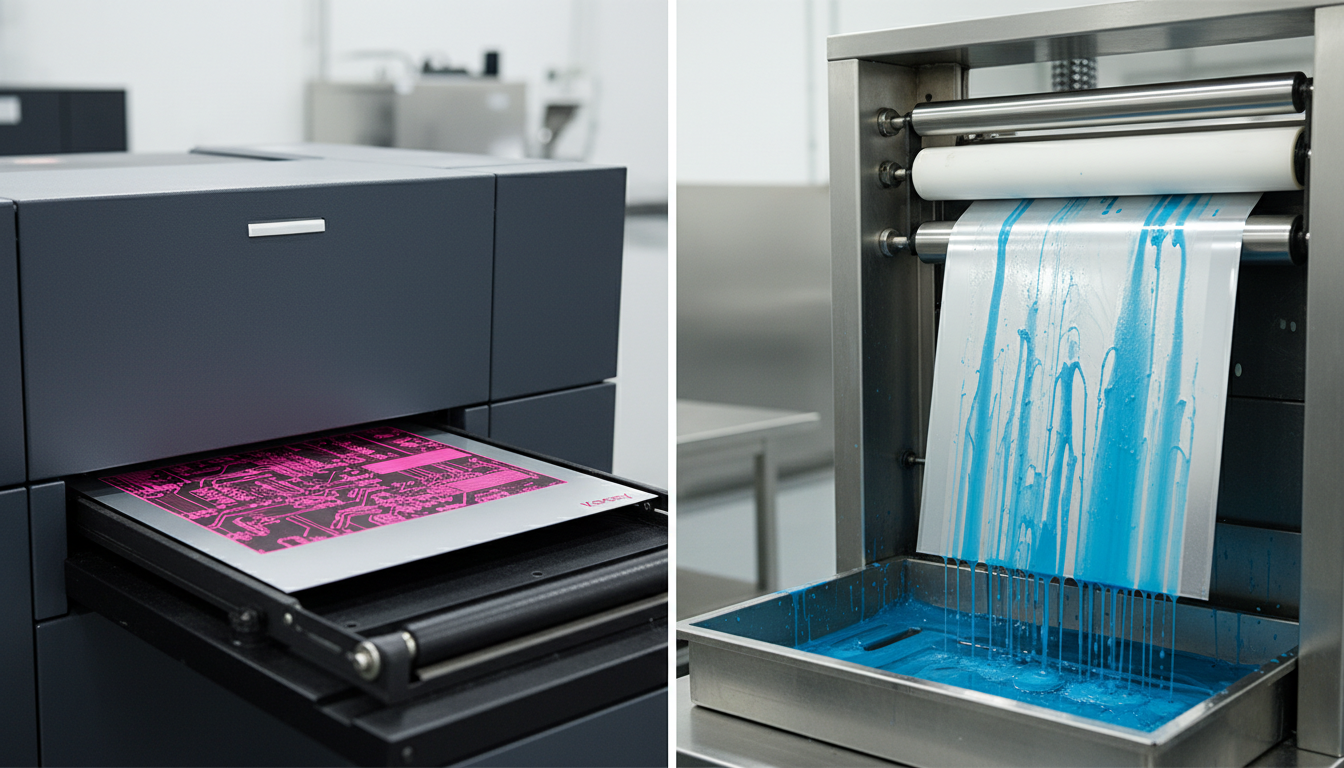
Beyond chemicals, conventional plates demand precise environmental controls. Processor temperature must remain within ±0.5°C, and relative humidity below 60% to prevent dot gain variation. In our Shenzhen facility's subtropical climate, maintaining these conditions required dedicated HVAC zones adding $4,200 monthly to our energy costs. Process-free thermal plates eliminate these environmental dependencies entirely—they image at standard room conditions and require no post-processing climate control.
What Are Process-Free Plates and How Do They Work?
Process-free CTP plates use thermal imaging technology to create press-ready printing surfaces without chemical development. Unlike conventional plates that require developer, finisher, and gumming solutions, thermal plates like Kodak Sonora utilize a heat-sensitive coating that ablates or crosslinks when exposed to infrared laser energy in the computer-to-plate (CTP) device. The imaged areas become ink-receptive while non-imaged areas remain hydrophilic, creating the necessary ink-water separation for offset lithography.
The mechanical simplicity is transformative. A conventional plate line requires pumps, heaters, rollers, and filtration systems across 3-5 processing stations. Our thermal CTP units, by comparison, have only three moving parts: the loading mechanism, imaging drum, and output tray. This reduction in complexity directly impacts reliability—where our conventional processors averaged 12 hours of monthly maintenance downtime, our thermal CTP systems have operated for 18 months with only routine laser calibration.
"The shift from chemical to thermal imaging isn't just about removing chemistry—it's about redefining what 'press-ready' means," explains our head of prepress operations. "With conventional plates, we needed 15-20 minutes after imaging for processing, drying, and inspection. Thermal plates exit the CTP device at 1.2 meters per second, completely dry and ready for the press. For time-sensitive packaging jobs, this compression from 45 to 12 minutes in plate-to-press time can be the difference between meeting or missing a production window."
Material compatibility is often misunderstood. Thermal plates work with all standard offset inks, including UV-curable and water-based formulations. Their anodized aluminum substrate provides the same scratch resistance and durability as conventional plates—we've run Kodak Sonora plates through 750,000 impressions on folding carton stock without noticeable wear. The key difference is in the coating technology: where conventional plates use diazo or photopolymer coatings requiring chemical activation, thermal plates employ proprietary polymer coatings that respond exclusively to specific infrared wavelengths (830nm or 1064nm depending on the CTP system).
Kodak Plates vs. Conventional: A Total Cost of Ownership Comparison
What is the ROI for Kodak plates in packaging when you account for all operational factors? The answer requires moving beyond simple per-plate pricing to a comprehensive total cost of ownership model. At JinXinCai, we track seven cost categories across both plate technologies: material acquisition, chemical consumption, energy usage, waste disposal, labor minutes, maintenance hours, and remake percentages.
| Cost Factor | Conventional Aluminum Plates | Kodak Sonora Process-Free Plates |
|---|---|---|
| Plate Purchase Price (40"×30") | $18-22 per plate | $24-28 per plate |
| Chemical Cost Per Plate | $3.50-4.20 (developer/finisher/gum) | $0.00 |
| Waste Disposal Cost | $0.55-0.75 per plate | $0.02-0.05 (packaging only) |
| Labor Minutes (imaging to press) | 38-45 minutes | 10-15 minutes |
| Energy Consumption (per plate) | 0.8-1.2 kWh (processor heating) | 0.3-0.4 kWh (laser imaging only) |
| Typical Remake Rate | 3-5% (chemistry variation) | 1-2% (digital file errors only) |
| Annual Maintenance Cost | $6,000-8,000 (processor) | $1,500-2,000 (CTP optics) |
The breakeven analysis reveals the true economic picture. While Kodak plates carry a 20-25% higher purchase price, they eliminate $4.25-5.15 in chemical and disposal costs per plate. With labor savings of 28-32 minutes per plate (valued at $0.85-1.10 based on prepress technician rates), the total cost per conventional plate actually ranges from $23.10-28.05 versus $24.85-29.15 for thermal plates—a difference of just 5-7%. At this narrow margin, volume becomes the decisive factor.
Decision: When Does Switching to Process-Free Plates Make Financial Sense?
- If your annual plate volume exceeds 15,000 units → Switch immediately. The chemical and labor savings will offset the higher purchase price within 8-10 months.
- If you run frequent short runs (under 5,000 impressions) → Consider a hybrid approach. Use thermal plates for jobs requiring quick turnaround and G7 color compliance, conventional for simple long runs.
- If your facility has high electricity costs (above $0.18/kWh) → Thermal plates reduce energy consumption by 60-70%, providing faster ROI through utility savings.
- If you're subject to strict environmental regulations → Process-free plates eliminate 95% of hazardous waste streams, reducing compliance reporting and liability.
Our real-world data from processing 18,000 plates annually shows a clear advantage: after switching 70% of our volume to thermal plates, our total plate department costs decreased by 18.5% despite the higher per-unit purchase price. The savings came primarily from eliminating chemical inventory ($42,000 annually), reducing disposal fees ($18,000), and cutting 320 labor hours monthly through streamlined workflow.
How Do Plate Choices Affect Print Quality and Consistency?
Thermal printing plate durability for long runs depends on both substrate construction and imaging precision. Kodak Sonora plate specifications for folding cartons include a 5-micron anodized layer that provides exceptional abrasion resistance—we've documented less than 2% dot gain change after 500,000 impressions on 300gsm C1S carton stock. This consistency stems from the plates' thermal imaging process, which creates sharper dot edges (2400-2540 dpi capable) compared to the slightly diffused edges common in chemically processed plates.
Color management professionals recognize this edge acuity difference. "With conventional plates, we typically see 0.5-1% higher dot gain in midtones due to chemical swelling of the coating," notes our G7 expert, who has calibrated over 200 press profiles. "Thermal plates maintain dot structure within ±1.5% across the entire tonal range, which translates to more predictable ink densities and faster press approval. For packaging requiring exact Pantone matching—like our 2M-unit retail project—this consistency reduced initial makeready time by 35%."
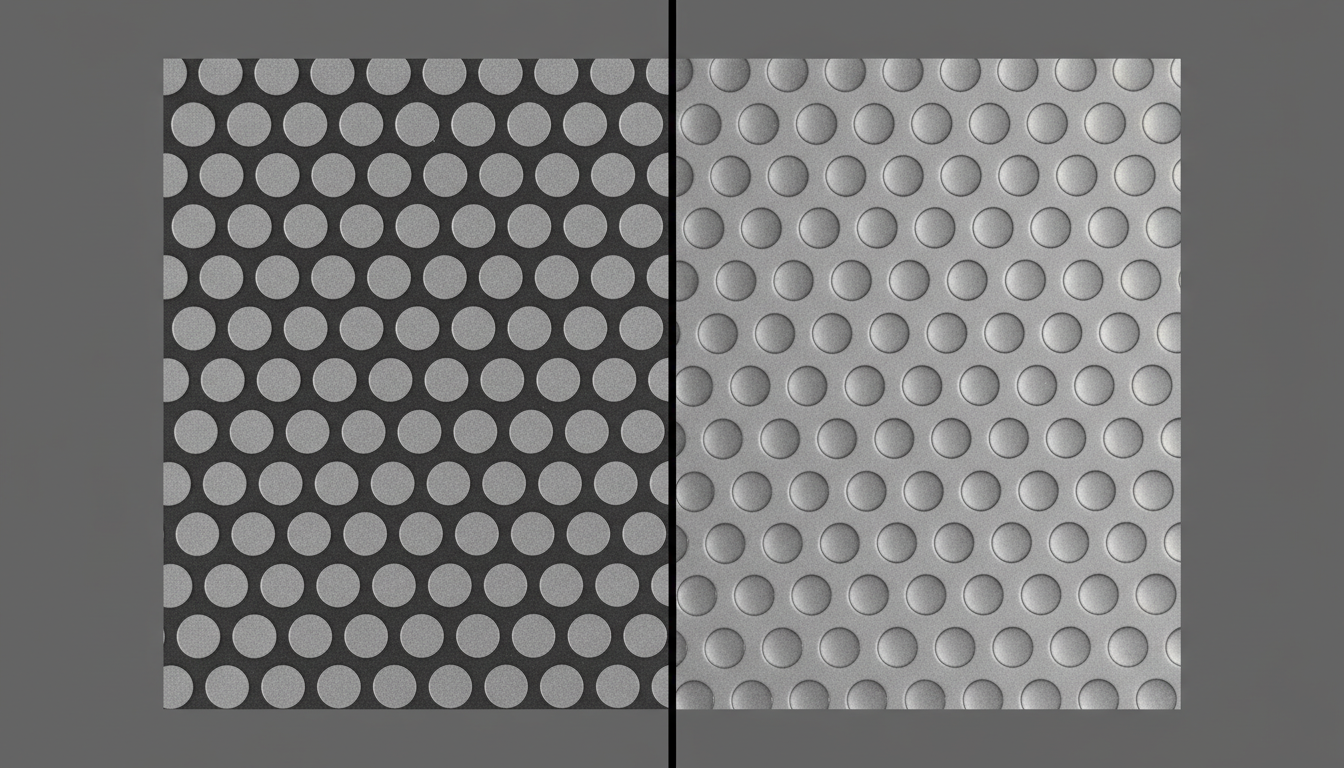
Resolution capabilities directly impact fine detail reproduction. While both plate types can achieve 200 lpi screening, thermal plates maintain cleaner reverses and hold 1-2% highlights more reliably. This matters for security printing, microtext on pharmaceutical packaging, and delicate vignettes in premium cosmetics. In side-by-side tests on our Heidelberg presses, thermal plates held 98% of 1-point reversed text compared to 85% for conventional plates after 100,000 impressions.
Ink-water balance behaves differently with process-free plates. Their non-imaged areas have slightly higher hydrophilicity, requiring 5-10% less fountain solution to maintain clean backgrounds. This adjustment, while minor, affects ink tack and drying time. Our press operators document that thermal plates reach optimal ink-water balance 200-300 sheets sooner than conventional plates, reducing paper waste during makeready. For the offset printing plate waste reduction strategies that matter most, this early stabilization proves valuable—we've measured 12-15% less substrate waste during the first 500 sheets of run-in.
Get a detailed plate technology assessment and customized ROI calculation for your specific packaging volume and mix.
Get a Free Quote →Case Study: Reducing Setup Waste with Kodak Sonora Plates
A national cosmetics brand required 750,000 luxury folding cartons with metallic gold spot color and delicate embossing. Their previous supplier using conventional plates experienced 8% remake rates due to color variation across three production batches. The challenge wasn't print quality but consistency—Pantone 871C metallic gold drifted ±ΔE 3.5 between batches as plate chemistry aged in the processor.
Our solution implemented Kodak Sonora XD plates for their entire run. The process-free technology eliminated chemical variables entirely. We imaged all plates for the three batches in a single 36-hour session, then stored them in controlled conditions until each press date. Since no chemical processing occurred, there was no developer exhaustion or temperature variation between batches.
Reduction in substrate waste during makeready compared to conventional plates
The results quantified the value of consistency: color variation measured ΔE 0.8 across all 750,000 units, well within the brand's ΔE 1.5 tolerance. Makeready waste dropped from an industry-average 650 sheets to 250 sheets per plate—a 62% reduction representing 1,200 kg of saved 350gsm art paper. Total production time decreased by 14% despite the complex metallic ink and embossing requirements. Most significantly, the brand eliminated plate-related remakes entirely, saving approximately $28,000 in remanufacturing and press time costs.
This case demonstrates how offset printing plate waste reduction strategies extend beyond the plate department. By achieving stable ink-water balance faster and maintaining dot gain consistency, thermal plates reduce substrate waste at the press. For this project, the combined savings from reduced paper waste, faster makeready, and zero remakes provided a 22% total cost reduction versus conventional plate production—far exceeding the 5-7% higher plate purchase price.
Decision Framework: When to Switch to Process-Free Plates
Implementing process-free plate technology requires matching your specific production profile to the technology's strengths. The decision isn't binary—many converters benefit from a hybrid approach using thermal plates for color-critical work and conventional for simple monochrome jobs. Based on our experience across 500+ packaging programs at JinXinCai, we've developed this implementation framework for 2026 planning.
Immediate Switch Recommended If: Your operation produces more than 15,000 plates annually, runs frequent G7-certified color work, faces tightening environmental regulations, or experiences chemical disposal costs exceeding $10,000 yearly. The ROI calculation becomes straightforward at these volumes—the 18-25% total cost reduction will typically justify capital investment in thermal CTP equipment within 18-24 months.
Gradual Transition Advised If: Your plate volume falls between 5,000-15,000 annually, you mix packaging and commercial print work, or you're planning press upgrades within 2-3 years. In these scenarios, begin with thermal plates for your most color-critical packaging lines (typically 4-color+ process work) while maintaining conventional capability for simpler jobs. This phased approach spreads capital investment while capturing the quickest ROI segments first.
Technical Preparation Requirements: Switching to thermal plates requires more than equipment purchase. Your prepress workflow must adapt to different file preparation—thermal plates have slightly different exposure curves and require precise laser calibration. Pressroom teams need training on adjusted ink-water balance settings. Most significantly, your quality control procedures should evolve to leverage the technology's consistency: where conventional plates required frequent densitometer checks as chemistry aged, thermal plates enable statistical process control with less frequent verification.
Financial Implementation Pathway: Calculate your current total plate cost per unit (include all hidden expenses), then project thermal plate costs using the comparison table earlier. If the difference exceeds 15% in favor of thermal, develop a 24-month implementation plan. Many manufacturers offer lease-to-own options that match payments to your documented savings, creating cash-flow-neutral transitions. At our facility, we financed our thermal CTP systems through the chemical savings alone—the $4,200 monthly chemical budget became the equipment payment, with labor and waste savings providing immediate net positive cash flow.
Preparing Your 2026 Plate Strategy Amid Global Changes
The Kodak plates vs conventional plates cost analysis reveals that process-free technology isn't merely an alternative—it's becoming the economic imperative for competitive offset packaging production. As global aluminum tariffs fluctuate and environmental regulations tighten through 2026, the hidden costs of conventional plate processing will only increase. Thermal plates provide not just cost stability but strategic advantage: faster turnaround for time-sensitive packaging, superior consistency for brand color protection, and dramatically simplified compliance with ISO 14001 and emerging circular economy standards.
At JinXinCai, our dual ISO 9001:2015 and ISO 14001:2015 certifications drive continuous improvement in both quality and sustainability. Process-free plate technology advances both objectives simultaneously—delivering the ΔE < 1.5 color consistency our retail and e-commerce clients demand while eliminating 95% of hazardous chemistry from our production floor. The 22% per-unit cost reduction we achieved for that 2M-unit national retail program stemmed directly from this dual capability: thermal plates provided the color consistency across multiple substrates, while their waste reduction supported our aggressive sustainability targets.
Your next step isn't a simple vendor comparison—it's a strategic assessment of how plate technology integrates with your 2026 packaging goals. Begin by auditing your current total plate costs (not just purchase prices), then model the operational impact of reduced makeready waste and faster turnaround. The most successful implementations we've seen—both at our facility and with clients—treated plate technology as a system-wide optimization, not a departmental equipment decision. When you're ready to quantify your specific ROI, our prepress team can provide a detailed analysis based on your actual production data, helping you build a business case that withstands 2026's economic and regulatory uncertainties.
Frequently Asked Questions
How does plate technology affect overall print job cost?
Plate technology impacts 4 key cost areas: prepress labor (thermal plates save 28-32 minutes per plate), chemical consumption (process-free eliminates $3.50-4.20 per plate), waste disposal (reduces from $0.75 to $0.05 per plate), and press makeready (thermal plates reach ink-water balance 200-300 sheets sooner, reducing substrate waste by 12-15%). For a typical 50,000-impression folding carton job, switching to process-free plates can reduce total production costs by 18-22% despite higher plate purchase prices.
What is the breakeven point for switching to process-free plates?
The breakeven occurs at approximately 15,000 plates annually when factoring in all operational costs. At this volume, the $4.25-5.15 savings per plate in chemical and disposal costs, plus labor savings of $0.85-1.10 per plate, offset the 20-25% higher purchase price. For facilities with high electricity costs (above $0.18/kWh), the breakeven drops to 12,000 plates due to thermal plates' 60-70% lower energy consumption during imaging.
How do Kodak plates perform with specialty inks and coatings?
Kodak Sonora plates demonstrate excellent compatibility with UV-curable, water-based, and metallic specialty inks. Their anodized aluminum substrate provides superior scratch resistance—we've run 750,000 impressions with Pantone 871C metallic gold without coating degradation. For aqueous coatings, thermal plates maintain consistent dot gain (±1.5%) where conventional plates can swell up to 3% in midtones. The key adjustment is fountain solution reduction: process-free plates require 5-10% less dampening to maintain clean backgrounds with specialty inks.
What prepress adjustments are needed for thermal plates?
Three key adjustments: First, exposure curves must be recalibrated—thermal plates have different sensitivity profiles than chemical plates. Second, file preparation should account for thermal plates' sharper dot edges (2400-2540 dpi capable) which can make 1-2% highlights more visible. Third, proofing systems need verification against thermal plate output, as their dot gain characteristics differ by 0.5-1% in midtones. At JinXinCai, we maintain separate ICC profiles for thermal and conventional plates to ensure proof-to-press accuracy within ΔE 1.5.