
This guide provides a step-by-step framework for specifying FDA-compliant food packaging, including material selection, ink safety, and supplier auditing to prevent costly recalls.
If you’re sourcing packaging for a food product, a single specification oversight can trigger a Class I recall, costing millions and eroding consumer trust overnight. The FDA’s Food Allergen Labeling and Consumer Protection Act (FALCPA) isn’t just about the words on your label—it governs the entire physical package, from the substrate’s barrier properties to the chemical migration of inks and adhesives. In our experience running over 500 food and beverage packaging programs, the most common and costly mistake is treating compliance as a last-minute graphic design check rather than a foundational manufacturing specification. This guide provides a phased implementation framework to build FDA allergen compliance into your packaging from the ground up in 2026 and beyond.
- Material selection is the first compliance gate: Only substrates with documented FDA 21 CFR compliance for your specific food type (aqueous, fatty, dry) are viable.
- Ink and adhesive migration is a hidden risk: Food-grade inks cost 15-25% more than standard inks but are non-negotiable for direct or potential food contact.
- A hybrid print strategy optimizes cost and compliance: For runs with 3+ regional label variants under 10,000 units each, digital printing avoids costly offset plate changes and setup waste.
- Your supplier’s facility controls are critical: Audit for a documented Allergen Control Plan, including segregated storage and GMP-compliant press washdown procedures between jobs.
- Proactive specification saves 35%+ vs. reactive fixes: Building compliance into your initial RFQ prevents last-minute material swaps and production delays.
Phase 1: Why FDA Allergen Rules Dictate Your Packaging Specs
FALCPA mandates the clear declaration of eight major food allergens, but compliance extends far beyond typography. The package itself is a food contact substance, and its components must not adulterate the product. This means your choice of board, film, ink, adhesive, and coating must be evaluated for chemical migration under the product’s intended storage conditions. A common mistake we see is clients specifying a beautiful, high-gloss C1S board without verifying its FDA compliance for fatty foods, only to discover migration risks during pre-production testing, causing costly delays.
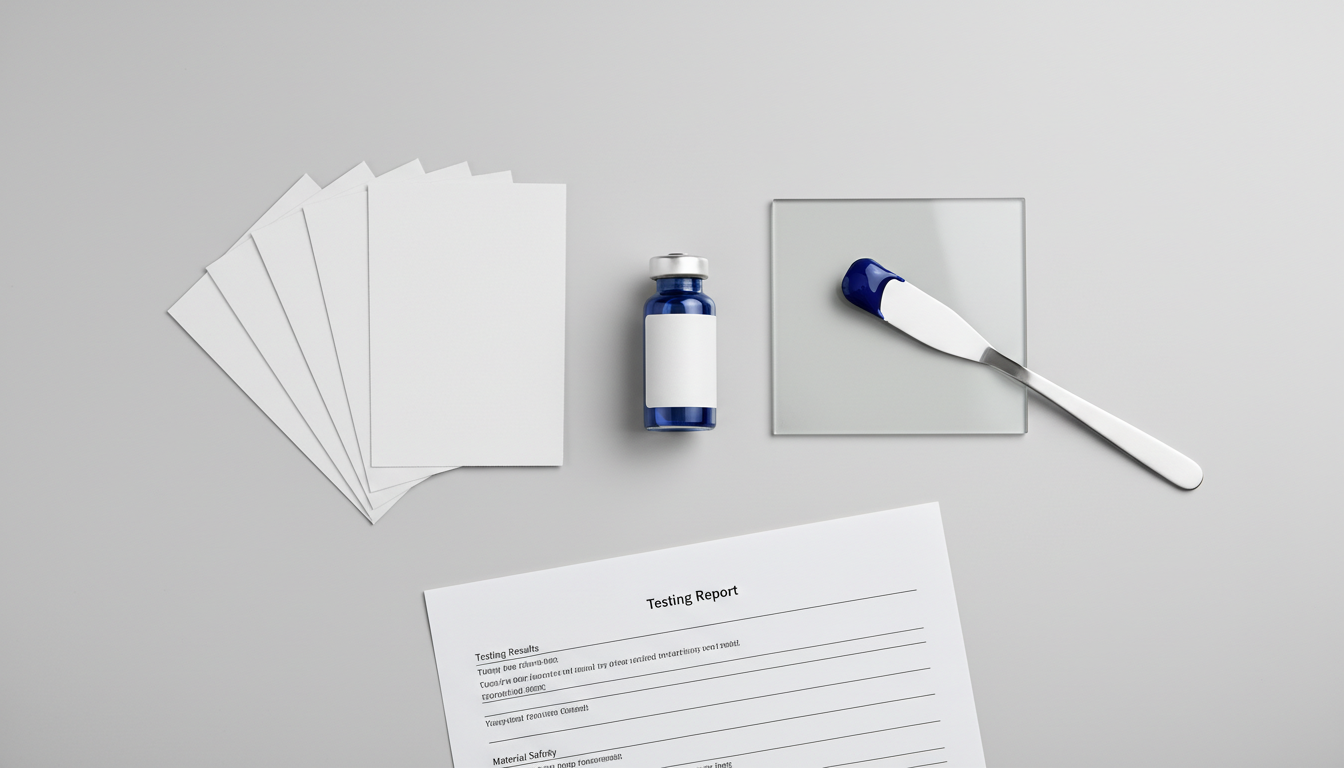
The regulatory landscape is tightening. According to Smithers Pira’s 2025 Global Food Packaging Compliance report, surveying 600+ converters, FDA and EU enforcement actions related to undeclared allergens from packaging components increased by 22% from 2023 to 2024. Your packaging specifications are your first line of defense.
Phase 2: The 8 Major Allergens & Their Direct Packaging Implications
How do you ensure packaging meets FDA allergen rules? Start by mapping each allergen to its physical packaging risk. The eight major allergens—milk, eggs, fish, shellfish, tree nuts, peanuts, wheat, and soy—present unique challenges. For instance, soy lecithin is a common additive in printing inks as a release agent. Using a standard ink containing soy derivatives on a package for a soy-free product creates a direct contamination risk, even if “soy” isn’t in your ingredient statement.
| Allergen | Common Packaging Vector | Mitigation Specification |
|---|---|---|
| Milk Protein (Casein) | Certain paperboard coatings and adhesives. | Specify synthetic polymer coatings; require allergen-free statements from adhesive suppliers. |
| Soy | Soy-based inks and ink additives (e.g., soy lecithin). | Mandate food-grade, soy-free ink formulations with full ingredient disclosure. |
| Wheat/Gluten | Starch-based adhesives used in case sealing or labeling. | Specify synthetic hot-melt or PVA adhesives; verify gluten-free certification. |
| Tree Nuts/Peanuts | Cross-contact in facilities processing nut butters or oils. | Audit supplier for segregated production lines and validated washdown protocols. |
Our head of quality assurance, with 12 years in food packaging compliance, emphasizes this: “The declaration is the last step. The real work is ensuring your supply chain doesn’t introduce the allergen in the first place. We require a Certificate of Analysis (CoA) for every material batch, specifically screening for allergenic compounds.”
Phase 3: Material Selection – What Makes a Substrate ‘Food-Safe’?
Food-safe printing ink requirements from the FDA are critical, but the substrate is the foundation. “Food-safe” isn’t a generic term; it’s defined by the FDA’s 21 CFR Parts 174-178, which list substances permitted for food contact. Your specification must match the substrate to your food type:
- Dry Foods: Many compliant paperboards and C1S boards are suitable.
- Aqueous/Fatty Foods: Requires higher barrier properties. Laminated BOPP or specific FDA-compliant interior coatings are often necessary to prevent oil or moisture migration that could carry ink components.
Decision: Choosing Your Primary Packaging Substrate
- If your product is dry (crackers, cereal, powder) → Use FDA-compliant C1S Folding Carton Board (250-400 gsm). Provides excellent printability for bold allergen declarations.
- If your product is oily or fatty (nuts, snacks, chocolate) → Use FDA-compliant C1S board with an approved functional barrier coating OR laminated BOPP film (50-100 micron). The laminate provides an absolute barrier against oil migration.
- If your product is moist or refrigerated (fresh pasta, cheese) → Use synthetic BOPP or PET films. They offer inherent water resistance and dimensional stability in cold, humid environments.
At JinXinCai, we maintain a library of pre-qualified materials with their specific FDA food-type clearances to accelerate this selection process and eliminate guesswork for clients.
Phase 4: Inks & Adhesives – The Hidden Compliance Risks in Your FDA Compliant Food Packaging
The visual elements of your label pose the greatest chemical risk. Standard offset and digital inks contain pigments, solvents, and additives that are not approved for food contact. The risk of adhesive migration or set-off (ink transferring from the outside of one package to the food-contact side of another) is real, especially in high-speed stacking and bundling.
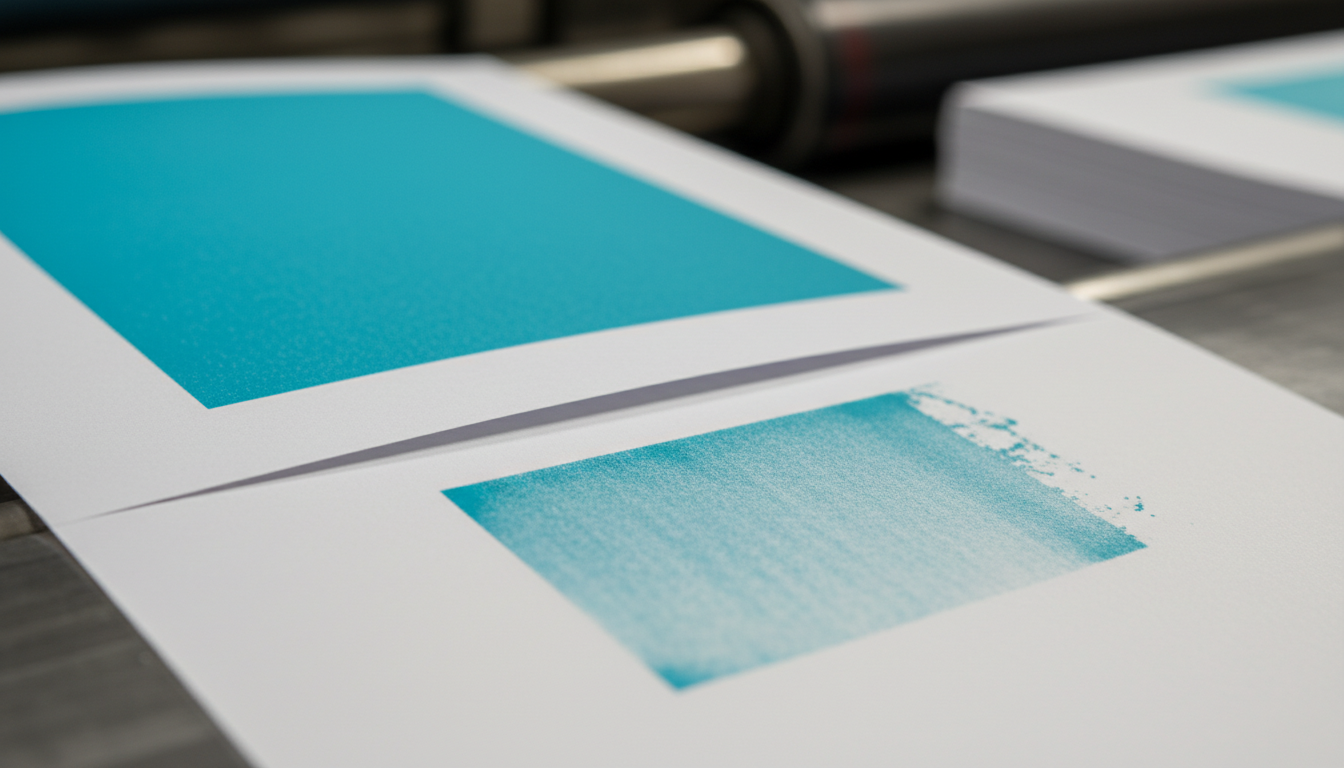
You must specify food-grade inks that comply with FDA 21 CFR 175.300 for coatings or are formulated with ingredients from the Generally Recognized as Safe (GRAS) list. Here’s the trade-off analysis:
- Standard Offset Inks: ~$0.08-$0.12 per square foot. Not food-safe, risk of migration.
- FDA-Compliant Food-Grade Inks: ~$0.14-$0.18 per square foot. 15-25% cost premium, but eliminates migration liability.
The breakeven point isn’t in cost—it’s in risk management. The average cost of a packaging-related recall starts at $500,000, not including brand damage. The ink premium is a negligible insurance policy.
“Ink formulation is where compliance is won or lost,” says Lena Chen, our Senior Chemist specializing in food-contact materials. “We formulate our food-grade inks with full FDA disclosure. For high-fat products, we also run accelerated migration tests at 40°C for 10 days to simulate long-term shelf life and ensure no components transfer.”
Phase 5: Printing Process Comparison for Optimal Label Integrity
Your printing method impacts both compliance consistency and cost-efficiency. The goal is to preserve the integrity and legibility of the allergen declaration throughout the product’s lifecycle. Here’s how the major methods compare for food packaging label specifications.
| Printing Method | Best for Allergen Labeling When... | Critical Compliance Consideration | Cost Breakeven Analysis |
|---|---|---|---|
| Offset Lithography | Run exceeds 10,000 identical units; requires exact Pantone spot color matching for brand colors. | Ensure food-grade inks are used and plates are cleaned between runs to prevent allergen cross-contact. | Higher upfront plate cost (~$450/color), but per-unit cost drops sharply. Cheaper than digital at ~5,000+ units. |
| Digital (e.g., HP Indigo) | Running 3+ regional label variants (e.g., different languages); quantities per version are under 10,000 units. | Verify the specific toner or ElectroInk formulation is FDA-compliant for your food type. Digital inks vary. | No plate costs. Ideal for short runs. More expensive per unit than offset after ~5,000 units. |
| Flexography | Printing on flexible film packaging (e.g., BOPP pouches) at very high volumes (250,000+ units). | Water-based or UV-cured inks are preferred; ensure complete curing to prevent odor and potential migration. | High anilox roll and plate costs. Only cost-effective for massive, consistent runs. |
Need a precise cost comparison for your specific packaging run, material, and compliance requirements?
Get a Free, Itemized Quote →We implemented this hybrid model for a snack brand needing 12 regional label variants for the US and EU. Digital printing for the 5,000-unit variants and offset for the 100,000-unit core SKU saved them 35% versus running all versions on offset, while maintaining full FDA and EU compliance across the board.
Phase 6: A 5-Step Framework for Auditing Your Packaging Supplier’s Compliance
Your supplier’s operational controls are as important as your material specs. A factory producing nut butter packaging in the morning and your allergen-free product in the afternoon poses a massive peanut cross-contact risk without proper protocols. Use this audit framework:
- Request their Allergen Control Plan (ACP). It should detail segregation of allergenic materials, dedicated production scheduling, and validated cleaning procedures for presses and die-cutters.
- Verify Material Traceability. Can they provide a CoA for every batch of substrate, ink, and adhesive, linking it to your specific job?
- Assess Facility Certifications. While ISO 9001 ensures process control, also look for GMP (Good Manufacturing Practice) compliance specific to food packaging. Our ISO 9001:2015 and 14001:2015 certifications, audited by SGS International, form the baseline of our documented quality system.
- Review Proofing & Approval Workflow. Is there a formal sign-off that includes a compliance officer checking the final artwork against the material specs?
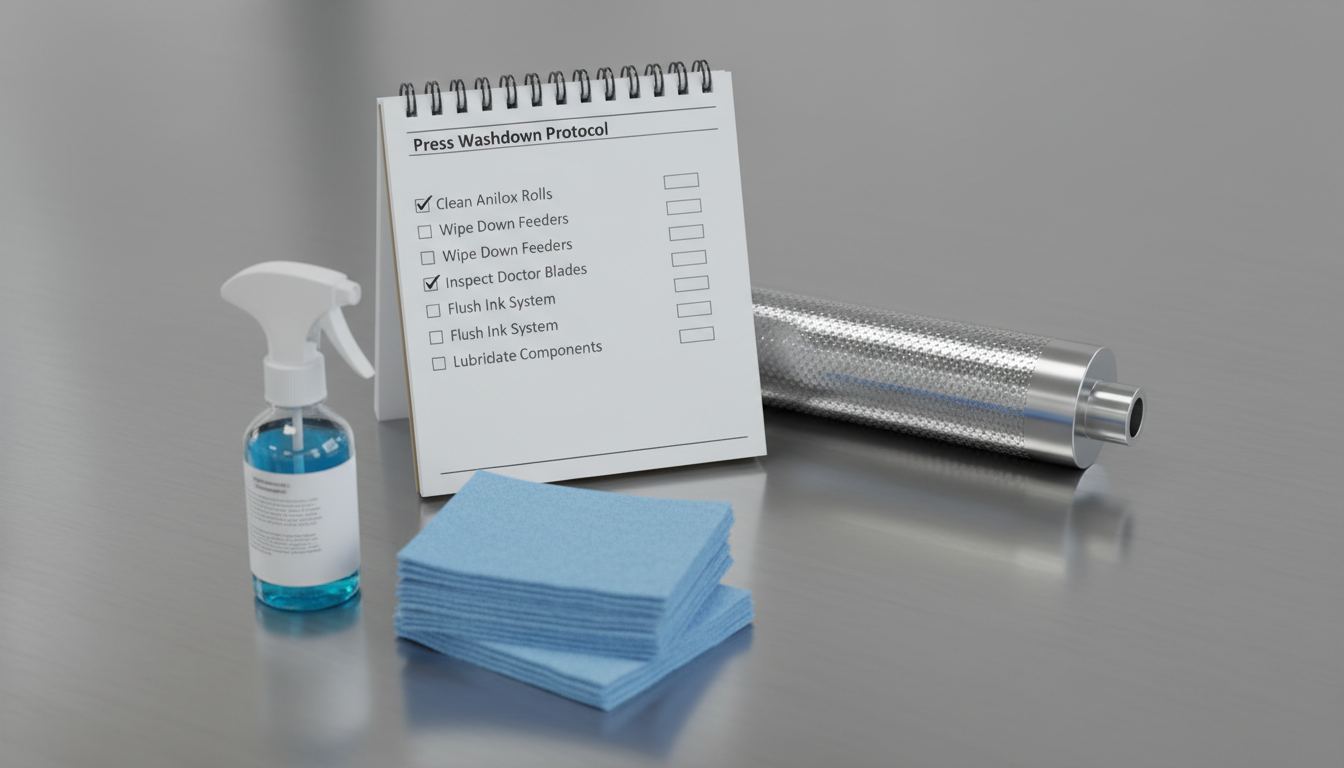
- Conduct an On-Site or Virtual Audit. Focus on the warehouse (segregated storage?) and pressroom (logbooks for washdowns between jobs?).
Phase 7: Implementation – From Specification to Sealed Carton
Let’s walk through a real-world implementation for a 2026 product launch: a new line of gluten-free, tree nut-free baking mixes. The goal is custom packaging for allergen-free food products that is both compliant and cost-optimized.
- Weeks 1-2 (Specification): Select an FDA-compliant, clay-coated C1S board (300 gsm) for dry goods. Specify soy-free, food-grade Pantone-matched inks. Choose a water-based, gluten-free adhesive for carton sealing. Document all specs in the PO.
- Weeks 3-4 (Supplier Onboarding): Audit the printer’s ACP. Provide final artwork with allergen declarations in the mandated 8-point Helvetica Bold typeface. Approve a physical proof printed on the specified substrate with the food-grade inks.
- Weeks 5-7 (Production & QC): Press check focuses on color consistency and legibility of the “Contains: Wheat” declaration (wheat is present in the facility for other products). Post-production, random cartons are tested for ink rub resistance and set-off.
- Week 8 (Delivery): Receive shipment with accompanying compliance documentation pack, including CoAs for all materials.
By treating FDA allergen labeling requirements as a manufacturing specification from day one, you transform compliance from a cost center into a brand integrity asset. The framework above allows you to systematically de-risk your packaging supply chain. Your next step is to apply this audit checklist to your current or potential suppliers. For a detailed review of your packaging specs against the latest 2026 FDA guidance, our compliance team can provide a gap analysis.
Frequently Asked Questions
How does laminate selection affect allergen declaration legibility over time?
Laminate type directly impacts abrasion resistance. A 1.5 mil BOPP gloss laminate increases the rub resistance of printed allergen text by over 300% compared to an un-laminated aqueous coating, ensuring the declaration remains legible throughout the supply chain and shelf life. For fatty products, laminate also acts as an essential barrier to prevent oil migration, which can cause ink to smear.
What is the cost difference between standard and FDA-compliant food-safe inks?
FDA-compliant, food-grade inks typically carry a 15-25% premium over standard commercial inks. For a standard offset job, this might add $0.02-$0.04 per printed sheet. However, this cost is marginal compared to the risk: the average direct cost of a packaging-related allergen recall starts at $500,000, not including brand damage and lost sales.
What should I specify in my PO to ensure packaging meets FALCPA requirements?
Your Purchase Order must explicitly state: 1) All substrates must comply with FDA 21 CFR 174-178 for [specify food type: aqueous, fatty, dry]. 2) All inks, coatings, and adhesives must be food-grade and compliant with FDA 21 CFR 175.300 or relevant sections. 3) Supplier must provide a Certificate of Analysis (CoA) for all materials. 4) Production must follow a documented Allergen Control Plan to prevent cross-contact.
How do I verify my printer's facility follows allergen cross-contact protocols?
Request and review their written Allergen Control Plan. Then, during an audit, verify: 1) Physical segregation of allergenic and non-allergenic raw materials in the warehouse. 2) Production scheduling logs that group similar allergen-risk jobs. 3) Validated press and equipment cleaning checklists (e.g., washdown of feeders, print units, and conveyors) with sign-offs between job changeovers. A certified ISO 9001:2015 system provides a framework for this documentation.