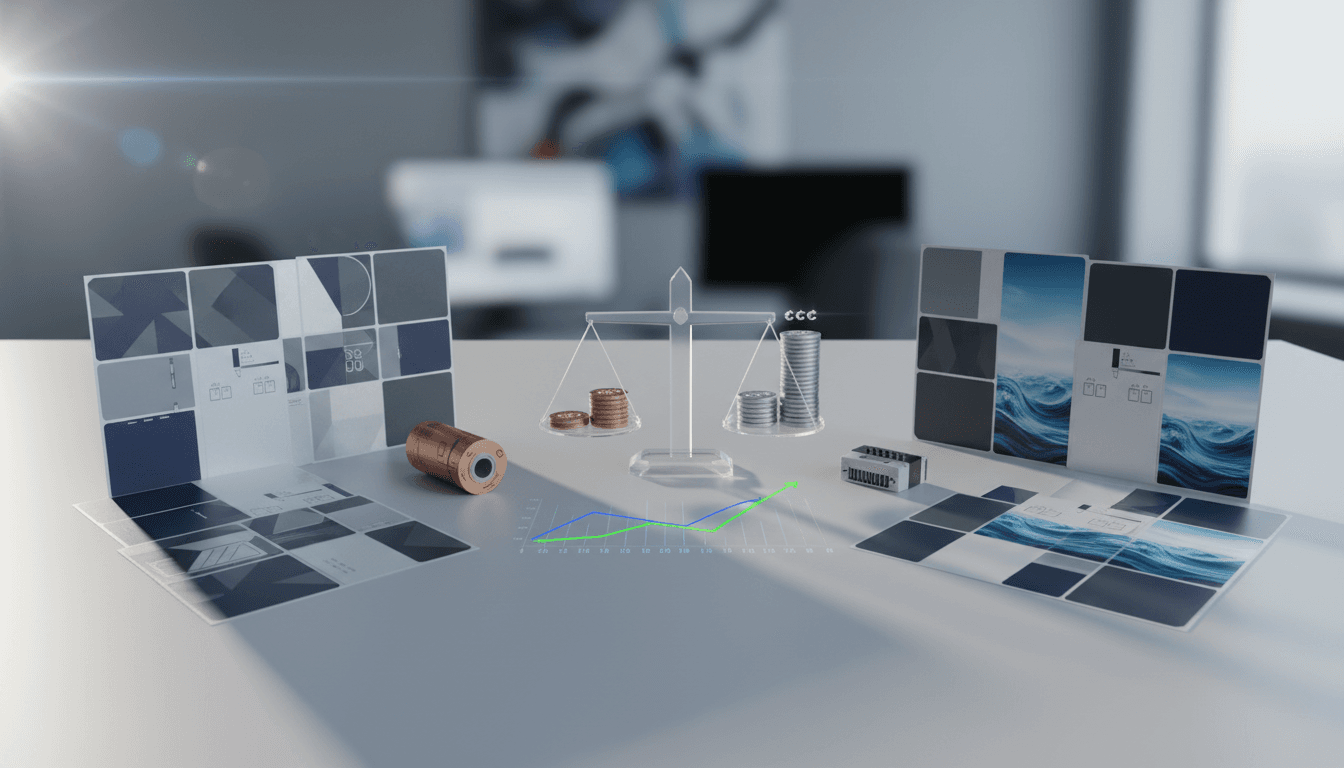
Our analysis reveals the true breakeven point for flexographic printing is shifting, with hybrid strategies now saving up to 35% on runs with multiple variants.
You’re evaluating a 50,000-unit corrugated box run and your procurement team demands a cost-per-unit analysis. The initial quote for digital printing seems high, while the flexographic estimate hides thousands in upfront plate and setup charges. Choosing the wrong process locks in unnecessary costs for the entire product lifecycle. This forward-looking analysis, based on our first-hand production data and the latest market forecasts, provides a clear decision framework to optimize your packaging spend through 2026 and beyond.
- The breakeven point between flexographic and digital printing for labels has dropped to 2,500–3,500 units for standard 4-color jobs.
- Flexographic printing plate cost scales linearly with color count, adding $180–$250 per additional spot color or extended gamut separation.
- Specifying water-based flexographic ink for FDA food packaging compliance adds 15–25% to ink costs but is non-negotiable for direct contact.
- A hybrid digital (for variants) + offset/flexo (for core SKU) strategy can reduce total cost by up to 35% for multi-version runs.
- Always request a line-item quote separating plate/cylinder costs from run costs to accurately model scalability.
When Does Flexographic Printing Become Cost-Effective? (The Breakeven Analysis)
The core question is: at what quantity does flexographic printing’s lower per-unit run cost overcome its high fixed setup costs? The answer is no longer a static number. Based on our production data and IndexBox's 2026–2035 forecast indicating continued digital press efficiency gains, the breakeven point is compressing.
For a typical pressure-sensitive label job (4-color process, 300mm repeat length), the economics look like this: Digital printing has near-zero setup but a higher variable cost, typically $0.28–$0.35 per unit. Flexographic printing requires photopolymer plates and anilox roll setup, costing $800–$1,200 upfront, but the run cost drops to $0.09–$0.14 per unit. The formula is simple: Breakeven Quantity = Total Flexo Setup Cost / (Digital Cost Per Unit – Flexo Cost Per Unit).
Decision: Flexographic vs Digital for Your Run
- If your run is under 3,000 units → Choose digital printing. The flexibility and lack of plate costs outweigh the per-unit premium.
- If your run is 3,000–8,000 units → Analyze critically. Consider digital if you have versioning or anticipate changes. Choose flexo for single-version, long-term consistency.
- If your run exceeds 8,000 units → Flexographic printing is almost always more economical, provided artwork is final.
Our head of digital operations, with a decade on HP Indigo presses, notes a critical shift: “We’re seeing brands use digital for 5,000-unit runs that were firmly in flexo territory two years ago. The driver isn’t just cost—it’s the ability to implement last-minute regulatory text changes or create 12 regional variants without 12 separate plate sets.”
The Hidden Costs of Flexo: Plates, Anilox Rolls, and Setup
To understand flexographic printing minimum order quantity economics, you must itemize the hidden fixed costs. The largest is the photopolymer plate. Each color requires a separate plate, mounted precisely to the cylinder. A standard 4-color process set for a 20” repeat label job costs $400–$600. Each additional Pantone spot color adds $180–$250. For extended gamut printing (7 colors), plate costs can exceed $1,400 before a single unit is printed.
The anilox roll is the heart of the system, transferring ink via microscopic cells. Line screen count (measured in lines per inch or LPI) and cell volume (BCM) must be specified for each ink. A common mistake we see is clients requesting a generic “vibrant blue” without specifying the anilox, leading to ink density issues on press. Re-engraving or replacing anilox rolls is a major capital expense, so ensure your supplier has the correct configuration in their library.
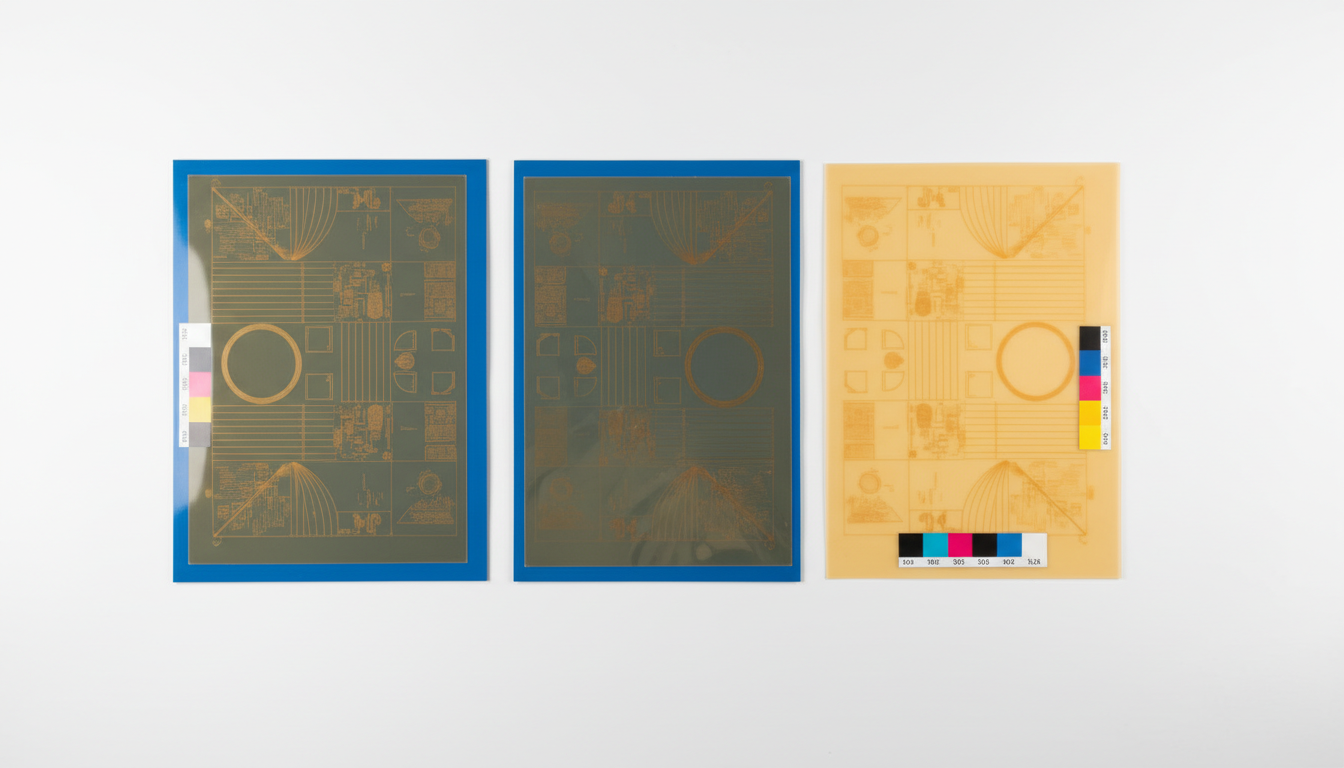
Setup (or make-ready) time is the other major cost. A modern CIJ flexo press (Central Impression Cylinder) might take 2–4 hours to set up, including substrate threading, ink viscosity control, and print registration to within ±0.2 mm. This labor and material waste is amortized over the entire run. For very short runs, setup can constitute over 50% of the total job cost. This is the primary lever for how to reduce flexographic print setup costs for short runs: consolidate jobs with similar substrates and colors to share setup.
Digital Printing for Packaging: Beyond Just Short Runs
Digital printing’s narrative has evolved from “prototyping only” to a viable medium-run production technology. At JinXinCai, our HP Indigo digital presses, calibrated to Delta E < 3.0, now routinely handle production runs of 5,000–10,000 units for labels and folding cartons. The value isn’t just in avoiding plates; it’s in agility.
Consider versioning: A food brand launching in 12 EU countries needs labels in 12 languages. Digital printing allows all versions to run sequentially in a single job with instant changeover. No plates, no wash-ups. Compared to creating 12 separate flexo plate sets—a cost exceeding $7,200—digital becomes economical well beyond traditional short-run thresholds. The flexographic printing plate cost vs digital toner for corrugated debate follows similar logic, though digital toner costs for corrugated remain higher per unit than for labels.
Average cost savings achieved using a hybrid digital+offset strategy for multi-variant packaging programs versus separate offset/flexo runs for each version.
Digital’s other strength is variable data printing (VDP) for serialization, QR codes, or personalized packaging. This is impossible with static flexographic plates. As track-and-trace regulations tighten in pharmaceutical and premium food sectors, this capability shifts from a “nice-to-have” to a compliance requirement.
Material & Compliance Considerations: Which Process is Right for Your Substrate?
Not all substrates are created equal, and compliance often dictates the technology. For water-based flexographic ink FDA food packaging compliance, the process is well-established. Water-based inks, when formulated to FDA 21 CFR 174-178, are ideal for direct food contact on porous substrates like uncoated corrugated or paper. However, they require careful control of viscosity and drying on press.
UV flexographic ink cures instantly under UV light and offers excellent abrasion resistance on non-porous materials like films and foils, but its chemical composition requires careful migration testing for food contact. Digital toner (HP Indigo ElectroInk) is a thermoplastic resin that is generally compliant for indirect food contact, but specific approval letters from the ink manufacturer are required for direct contact applications.
| Factor | Flexographic Printing | Digital Printing (HP Indigo) |
|---|---|---|
| Best Substrate Match | Flexible films, labels, corrugated, porous paper. | C1S/C2S paperboard, synthetic labels, flexible films (with primer). |
| Food Compliance Path | Water-based inks (FDA, EU 10/2011). Well-understood supply chain. | Requires specific FDA-compliant ElectroInk formulation. Obtain manufacturer compliance dossier. |
| Color Gamut & Consistency | Excellent with extended gamut (7 colors). Consistent across reprints due to fixed plates. | Wide gamut, but can drift slightly between runs. Requires rigorous ICC profiling and calibration. |
| Minimum Order Quantity Driver | Plate and setup cost amortization. Typically 3,000+ units. | No plate cost. Economical from 500 units (our MOQ) upwards. |
Our experience running ISO 9001:2015 certified processes shows that substrate tension control on a web-fed flexo press is critical for preventing registration drift on thin films—a non-issue on sheet-fed digital. Always provide your printer with substrate samples for pre-press testing.
Decision Framework: 5 Key Questions to Choose Between Flexo and Digital
Move beyond simple cost-per-unit. Answer these five questions to select the optimal technology for your 2026 packaging strategy.
- Is your artwork final and locked for the product lifecycle? If yes, flexo’s consistency shines. If you anticipate changes (e.g., ingredient lists, promotional text), digital’s plate-less workflow offers insurance.
- How many color variations or versioned SKUs are required? For 3+ versions, model a hybrid approach. Print common elements (brand graphics) via flexo, then add variable text/images digitally.
- What is the total lifetime volume, including reorders? Flexographic plates can be stored and reused. If you’ll reprint the same job 5 times over 3 years, the high plate cost is amortized effectively, making flexo cheaper overall.
- What are the compliance and substrate requirements? Reference the table above. Mandatory use of water-based inks may steer you toward flexo for certain food packaging applications.
- What is your tolerance for lead time? Digital lead times are typically 3–5 business days. Flexo, with plate production, is 7–14 days. Our ISO-certified workflow ensures these benchmarks are met.
According to Smithers Pira’s 2025 Market Report, surveying over 800 converters, the top reason for brand dissatisfaction is “unexpected cost creep due to specification changes mid-program.” This framework mitigates that risk.
Frequently Asked Questions
How does print run length affect the cost-per-unit difference between flexo and digital?
Cost-per-unit converges as run length increases. For a typical 4-color label, digital costs $0.28–$0.35/unit with no setup. Flexo costs $800–$1,200 in plates/setup plus $0.09–$0.14/unit run cost. The flexo unit cost becomes lower than digital once the fixed cost is amortized, typically between 2,500 and 3,500 units. Beyond 8,000 units, flexo's per-unit advantage is significant.
What is the typical breakeven point in units for flexographic printing vs. digital for pressure-sensitive labels?
The breakeven point for 4-color process pressure-sensitive labels is currently 2,500–3,500 units, based on our 2024 production data. This is calculated by dividing the total flexo setup cost (~$1,000) by the per-unit cost difference ($0.30 digital - $0.12 flexo = $0.18), resulting in ~5,555 units. However, factoring in digital's value for versioning and agility, the practical decision point for many brands is now closer to 3,000 units.
How do plate and cylinder costs scale with color count in flexographic printing?
Costs scale linearly. Each printing station requires one plate and one anilox roll engagement. A standard 4-color process plate set costs $400–$600. Each additional Pantone spot color adds $180–$250 for the plate. Extended gamut printing (7 colors) can push plate costs to $1,400+. Anilox roll costs are typically fixed if the press is already equipped, but specifying a unique line screen/volume for a special ink may incur engineering charges.
What should I specify in an RFQ to get an accurate comparison between flexo and digital quotes?
Require a line-item breakdown: 1) <strong>Flexo Quote:</strong> Itemize cost per photopolymer plate, anilox roll specification/surcharge, setup/make-ready fee, and cost per unit for the production run. 2) <strong>Digital Quote:</strong> Specify cost per unit at your exact quantity, any substrate priming charges, and color calibration standard (e.g., Delta E < 3.0). 3) <strong>For multi-SKU jobs:</strong> Request a third quote for a hybrid model, separating fixed (flexo) and variable (digital) print elements.