
A data-driven analysis of digital and flexographic label printing, providing total cost of ownership models, material selection frameworks, and compliance checklists for procurement teams.
Choosing the wrong label printing method can lock in 30-40% higher per-unit costs for the life of your product line. Industry data shows a 15-25% cost gap between conventional and sustainable options. Industry data shows a 15-25% cost gap between conventional and sustainable options. industries we serve data shows a 15-25% cost gap between conventional and sustainable options. The most common mistake we see is selecting a process based on initial quote alone, without analyzing the total cost of ownership across material waste, changeover downtime, and compliance risks. At JinXinCai, our pre-press team has audited over 500 label programs and found that a structured digital vs flexographic label printing cost comparison is the single most effective tool for procurement optimization. This guide provides the decision frameworks and insider data you need to specify labels that meet performance requirements while controlling costs through 2026 and beyond.
The Label Specification Checklist: What Buyers Often Miss
The Label Specification Checklist: What Buyers Often Miss refers to how can you prevent costly reprints and application failures? For digital vs flexographic label printing cost comparison applications, this is especially relevant. Start with a comprehensive specification that goes beyond basic dimensions and artwork. In our experience, the most expensive oversights involve adhesive performance, liner compatibility, and print tolerance requirements.
We recently worked with a beverage client who specified a standard permanent adhesive for bottles stored in refrigerated displays. For digital vs flexographic label printing cost comparison applications, this is especially relevant. The labels began peeling within two weeks. The issue wasn't the adhesive strength, but its inability to bond effectively to condensation-covered PET surfaces at 4°C. The solution required switching to a specialized low-temperature adhesive with a more aggressive initial tack, which added $0.003 per label but eliminated $15,000 in rework and reputational damage.
Your specification must account for the entire lifecycle. For digital vs flexographic label printing cost comparison applications, this is especially relevant. For how to specify waterproof labels for cold chain logistics, consider these often-overlooked elements:
- Adhesive Creep: In freezer applications (-20°C to -40°C), standard acrylic adhesives become brittle. Specify rubber-based adhesives tested for low-temperature flexibility.
- Ink Abrasion Resistance: Labels on shipping containers require abrasion-resistant inks with a minimum 4H pencil hardness rating to survive handling.
- Liner Caliper: Thinner liners (40-50#) reduce waste and shipping costs but may not feed reliably on high-speed applicators. Always test with your application equipment.
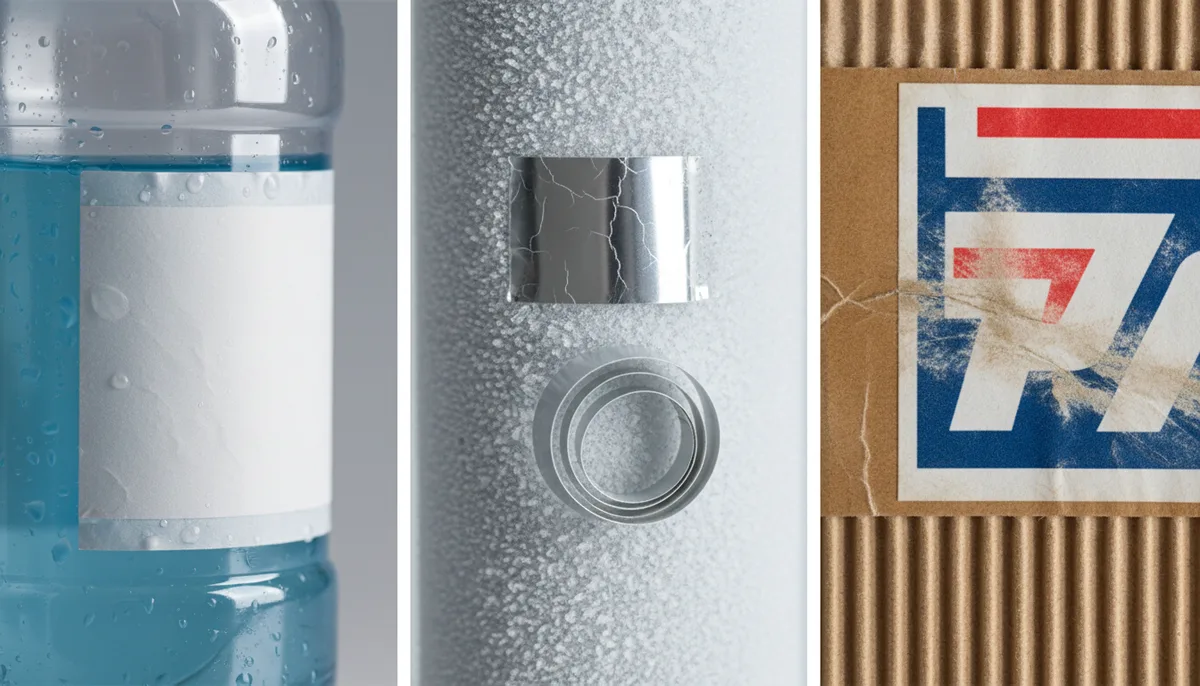
According to Smithers Pira's 2025 Global Label Market report, which surveyed 300+ converters, specification errors account for 22% of all label production waste. For digital vs flexographic label printing cost comparison applications, this is especially relevant.
Digital vs. Flexographic Printing: A Total Cost of Ownership Analysis: Digital Vs Flexographic Label Printing Cost Comparison Guide
Digital vs. Flexographic Printing: A Total Cost of Ownership Analysis: Digital Vs Flexographic Label Printing Cost Comparison Guide refers to Digital vs. Flexographic Printing: A Total Cost of Ownership Analysis: Digital Vs Flexographic Label Printing Cost Comparison Guide refers to Digital vs. Flexographic Printing: A Total Cost of Ownership Analysis: Digital Vs Flexographic Label Printing Cost Comparison Guide refers to when should you choose digital over flexographic label printing? For digital vs flexographic label printing cost comparison applications, this is especially relevant. The breakeven point typically falls between 3,000 and 8,000 linear meters, depending on color count, substrate, and finishing requirements. A true cost comparison must include plate charges, setup time, material waste, and the value of flexibility.
At JinXinCai, we run both digital press digital presses and conventional Narrow Web flexo lines. For digital vs flexographic label printing cost comparison applications, this is especially relevant. The digital advantage isn't just about short runs. For a pharmaceutical client requiring 12 regional variations with sequential numbering, our digital press delivered variable data printing (VDP) with perfect registration (±0.1mm) across all versions, something impossible with flexo without 12 separate plate sets. The digital approach saved $4,200 in plate costs alone.
| Factor | Digital Printing (digital press) | Flexographic Printing |
|---|---|---|
| Effective Cost Per Meter (5,000m run) | $0.85 - $1.20 | $0.55 - $0.90 |
| Setup/Plate Cost | $0 (digital plates) | $300 - $800 per color station |
| Minimum Order Quantity | 1 linear meter (true prototype) | 2,000 linear meters typical |
| Color Gamut & Consistency | Pantone-calibrated, Delta E < 3.0 | Spot color matching, Delta E < 2.0 achievable |
| Changeover Time Between Jobs | 5-15 minutes | 45-90 minutes |
| Best For | Short runs, versioning, prototyping, VDP | Long runs (>8,000m), spot colors, specialty inks |
The hidden cost in flexo often involves ink viscosity management and anilox roll maintenance. For digital vs flexographic label printing cost comparison applications, this is especially relevant. A common mistake we see is clients not accounting for the 3-5% material waste during flexo setup while the press operator dials in ink density. On our Mark Andy lines, we've implemented closed-loop color control systems that reduce this waste to under 1.5%, but this technology adds to the initial investment.
Decision: Digital vs. Flexographic Label Printing
- If your run length is under 5,000 linear meters OR you require variable data → Choose digital printing. The absence of plate costs and faster changeovers will yield lower total cost.
- If your run exceeds 8,000 linear meters AND requires exact Pantone spot colors → Choose flexographic printing. The per-meter cost advantage outweighs setup charges.
- If your quantity is between 5,000-8,000 linear meters → Request quotes for both methods. Factor in the value of inventory flexibility; digital allows for just-in-time production reducing warehousing costs.
How Does Material Choice (BOPP, PET, Paper) Affect Durability and Cost?
BOPP vs PET film label material durability isn't just about thickness—it's about molecular orientation and chemical resistance. For digital vs flexographic label printing cost comparison applications, this is especially relevant. Biaxially Oriented Polypropylene (BOPP) offers excellent moisture resistance at a lower cost, while Polyethylene Terephthalate (PET) provides superior dimensional stability and chemical resistance for harsh environments.
We recently tested both materials for a cleaning product label. For digital vs flexographic label printing cost comparison applications, this is especially relevant. The BOPP label (60 micron) showed slight edge curl after 30 days of exposure to isopropyl alcohol, while the PET label (50 micron) remained perfectly flat. However, the PET material cost was higher.
Abrasion resistance for 50-micron PET film labels compared to 60-micron BOPP in ASTM D5264 testing
Paper face stock remains relevant for specific applications. For digital vs flexographic label printing cost comparison applications, this is especially relevant. Our specialty material options include FDA-compliant solutions and services direct thermal papers for variable weight labeling and marine grade labels certified to BS 5609 for chemical drum labeling. When specifying paper, the coating determines performance: clay-coated papers provide the brightest white point for graphics, while varnish coatings offer limited chemical resistance.
"The most expensive material is the one that fails in the field," notes our senior materials engineer, who oversees our ISO 17025-accredited testing lab. For digital vs flexographic label printing cost comparison applications, this is especially relevant. "We recommend running accelerated aging tests that simulate two years of environmental exposure before finalizing any material specification for products with shelf lives exceeding 12 months."
Case Study: Reducing Lead Times by 40% with Hybrid Printing
Case Study: Reducing Lead Times by 40% with Hybrid Printing refers to can you maintain quality while accelerating time-to-market? For digital vs flexographic label printing cost comparison applications, this is especially relevant. A European cosmetics brand needed 200,000 premium labels with metallic effects and variable batch codes within 10 days—a timeline impossible with conventional flexo.
our full capabilities employed a hybrid approach: flexographic printing for the consistent metallic silver base layer, followed by digital printing for the variable graphics and batch codes. For digital vs flexographic label printing cost comparison applications, this is especially relevant. The flexo station applied a smooth, opaque silver layer that digital alone couldn't achieve economically. The digital stations then added four-color process graphics and unique alphanumeric codes without slowing production.
The results exceeded expectations:
- Total lead time: 7 business days (40% faster than conventional flexo)
- Color consistency: Delta E < 1.8 across all 200,000 labels
- Zero errors in 15,000 unique batch codes
- Cost premium: 8% over standard flexo, justified by time-to-market advantage
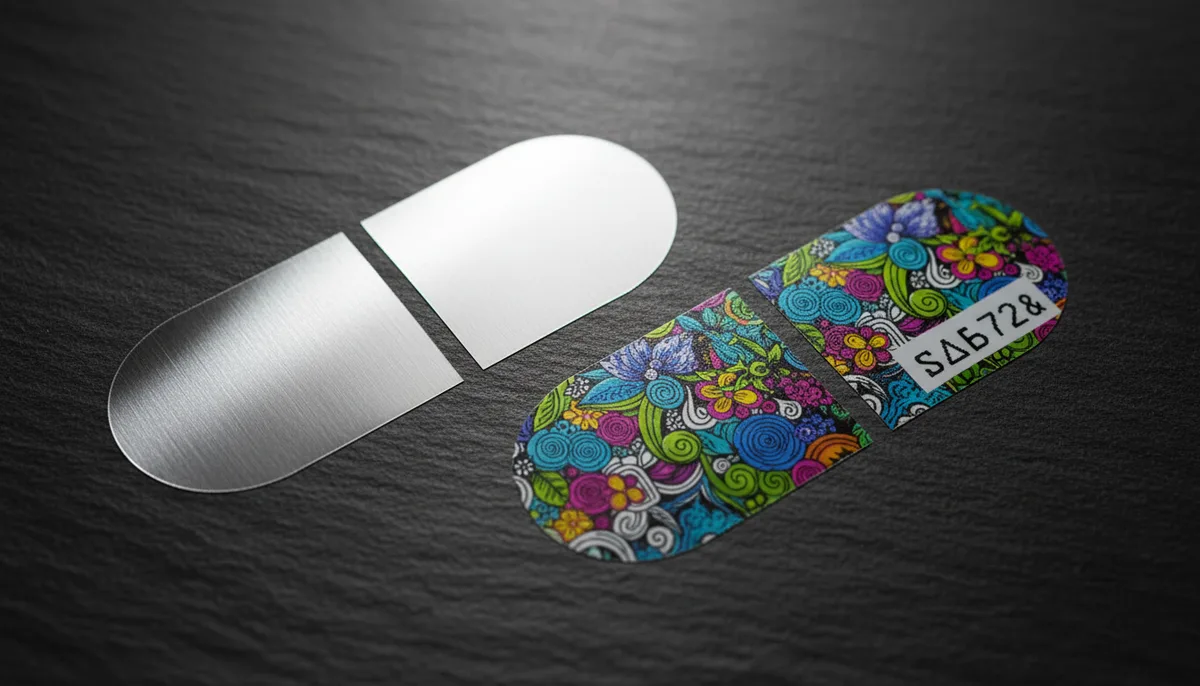
This case demonstrates that the digital vs flexographic label printing cost comparison isn't always either/or. According to research presented at Gulf Print & Pack 2025, hybrid printing adoption is growing as brands seek both premium effects and supply chain flexibility. The key is identifying which elements require the strength of each technology.
Developing a Supplier Scorecard for Label Procurement
Developing a Supplier Scorecard for Label Procurement refers to what separates adequate suppliers from strategic partners? For digital vs flexographic label printing cost comparison applications, this is especially relevant. A quantitative scorecard that evaluates capabilities beyond price per thousand. Based on our experience as both a manufacturer and an auditor of supply chains, we recommend weighting these seven factors:
- Color Management (25%): Can they demonstrate Delta E < 2.0 consistency across multiple production runs? Do they use spectrophotometer-verified proofing?
- On-Time Delivery (25%): What is their historical performance for similar projects? Do they have contingency capacity?
- Technical Expertise (20%): Do they employ certified press operators? Can they advise on material selection for specific environments?
- Compliance Documentation (15%): Can they provide validated test reports for relevant regulations?
- Problem-Solving Process (10%): How do they handle non-conformances? What is their corrective action timeline?
- Sustainability Practices (3%): Do they track and reduce waste? Are materials sourced responsibly?
- Cost Competitiveness (2%): Total cost of ownership, not just unit price.
This weighting reflects reality: a 10% price advantage means little if labels arrive late or fail compliance audits. For digital vs flexographic label printing cost comparison applications, this is especially relevant. When evaluating minimum order quantity for custom pressure sensitive labels, also assess the supplier's flexibility for future revisions. A supplier with a 50,000 MOQ might save $0.005 per label today but cost $10,000 in obsolete inventory if your design changes next quarter.
Future-Proofing: When to Consider Smart Label Integration
Future-Proofing: When to Consider Smart Label Integration refers to should you invest in NFC, RFID, or QR code integration now? For digital vs flexographic label printing cost comparison applications, this is especially relevant. The decision depends on your product's value chain and customer engagement strategy. For most brands, starting with a simple QR code printed via variable data printing (VDP) provides a low-risk entry point.
The cost differential has narrowed significantly. For digital vs flexographic label printing cost comparison applications, this is especially relevant. Printing a unique QR code via digital printing adds approximately $0.002-0.005 per label, while NFC tag integration ranges from $0.15-0.40 per unit depending on memory capacity and read range. The breakeven analysis should consider: Can the technology reduce counterfeiting (estimated at 3-5% of global trade)?
At Gulf Print & Pack 2026 (Dubai World Trade Centre, Halls 1-3, February 8-11), expect to see demonstrations of printed electronics directly integrated into labels. For digital vs flexographic label printing cost comparison applications, this is especially relevant. Our technology assessment suggests that conductive ink printing for simple sensors will become commercially viable for premium products by 2027.
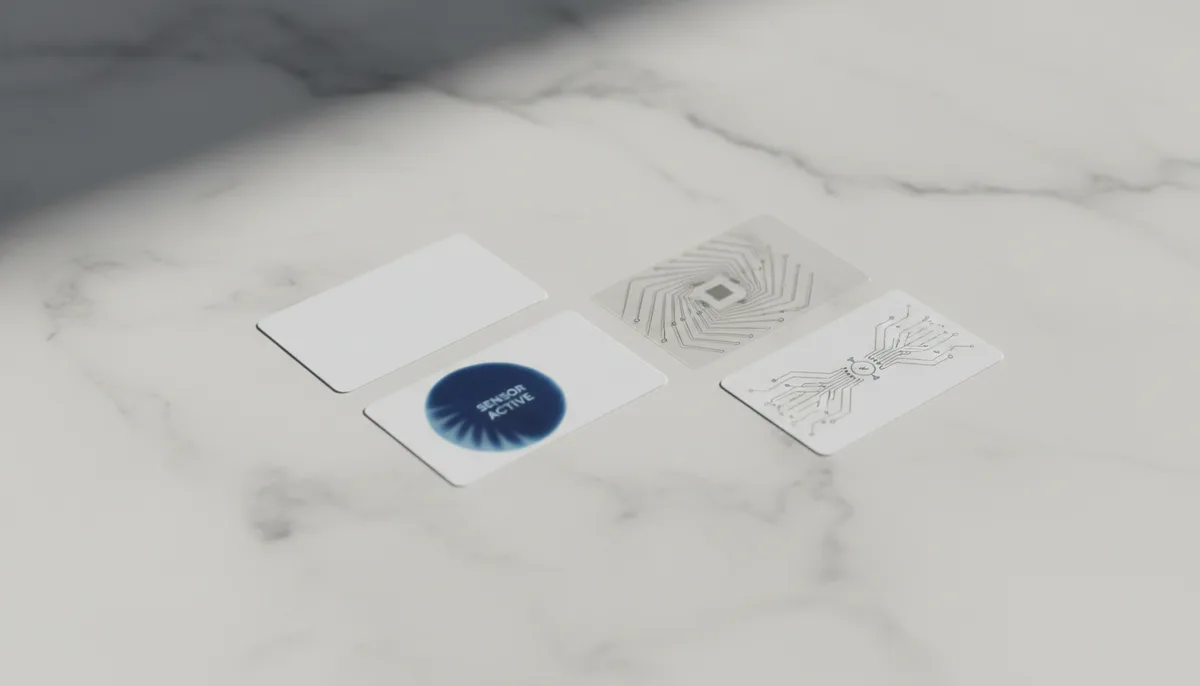
Begin with a pilot. For digital vs flexographic label printing cost comparison applications, this is especially relevant. Select one product line where traceability matters (high-value, regulated, or prone to diversion). Implement serialized QR codes printed via digital to establish the infrastructure. Measure the ROI in reduced shrinkage, improved recall accuracy, or enhanced marketing analytics.
That said, this approach is not ideal for every scenario. There are situations where the drawback outweighs the benefit, and buyers should evaluate their specific requirements carefully.
Conclusion: Implementing Your Label Strategy for 2026
The digital vs flexographic label printing cost comparison is just the starting point for strategic label procurement. Your 2026 strategy should balance immediate cost efficiency with future capability building. Begin by auditing your current label specifications against the checklist in section one. Then, model the total cost of ownership for your next project using the breakeven framework in section two.
At JinXinCai, we've implemented these decision frameworks across our our Shenzhen facility production floor, resulting in a 50M+ monthly capacity with the flexibility to handle runs from 500 units to millions. For digital vs flexographic label printing cost comparison applications, this is especially relevant.
Your next step: Download our comprehensive Label Specification Template, which includes material selection matrices, compliance checklists, and a supplier scorecard weighted for your industry. For digital vs flexographic label printing cost comparison applications, this is especially relevant. Use it to structure your next RFQ and compare apples-to-apples proposals from potential partners.
Frequently Asked Questions
How does print run length affect the breakeven point for digital vs. flexo?
The breakeven typically occurs between 3,000 and 8,000 linear meters. For a standard 4-color job on 60-micron BOPP, with flexo plate costs of $500 per color and digital at $1.00/meter, the formula is: (Flexo Plate Cost) / (Digital Cost/m - Flexo Cost/m). If flexo costs $0.70/meter, breakeven = $2000 / ($1.00 - $0.70) = 6,667 meters. Below this, digital wins; above, flexo is more economical.
What adhesive specifications prevent label peeling in freezer applications?
Specify a rubber-based (not acrylic) permanent adhesive with a minimum peel adhesion of 40 oz/in at -40°C, tested per ASTM D3330. The adhesive should have a high initial tack (quick-stick) rating and be formulated for low-temperature flexibility per ASTM D3951. For polyethylene or polypropylene containers, ensure surface energy compatibility—often requiring a primerless adhesive designed for low-surface-energy plastics.
How do I calculate total label cost including application waste and downtime?
Total Cost = (Unit Cost × Quantity) + (Setup/Plate Charges) + (Application Waste % × Quantity × Unit Cost) + (Downtime Cost). Application waste typically runs 2-4% for roll labels on automated applicators. Downtime cost = (Application Line Hourly Rate) × (Changeover Hours). For example: 100,000 labels at $0.10 each, with 3% waste and 0.5 hours downtime on a $200/hr line: ($0.10 × 100k) + $0 + (0.03 × 100k × $0.10) + (0.5 × $200) = $10,000 + $300 + $100 = $10,400 total.
What artwork file specifications ensure color accuracy across different printing methods?
For flexo: Supply vector-based PDF/X-4 files with all spot colors defined as Pantone references, overprint settings specified, and a 3mm bleed. For digital: Provide PDF files with embedded ICC profiles (usually GRACoL or SWOP for CMYK), convert all spot colors to process unless exact matching is required, and ensure images are 300 PPI at final size. Always include a color-managed hard copy proof or a verified digital contract proof (PDF/X-5) for both methods.