Discover how custom rigid box packaging transforms product perception, drives unboxing virality, and delivers measurable ROI for premium brands.
You’ve invested in premium product development, but your packaging arrives flimsy, scuffed, or fails to protect its contents. The unboxing experience is forgettable, and your product looks cheap on the shelf next to competitors. This isn't just a quality control issue—it's a direct erosion of your brand equity and a missed opportunity for customer loyalty. The strategic deployment of custom rigid box packaging directly addresses this costly mistake by creating a tangible, high-value brand asset from the first touchpoint.
- Rigid boxes can increase perceived product value by up to 40% compared to folding cartons, directly justifying a higher price point.
- Litho-laminated rigid boxes offer 5-10x the graphic detail of direct print, enabling photorealistic branding and complex finishes.
- Custom inserts reduce in-transit damage by over 70% and transform unboxing into a branded, multi-sensory experience.
- Minimum order quantities (MOQs) for custom rigid boxes typically start at 500-1,000 units, with lead times 2-3 weeks longer than folding cartons.
- The ROI on rigid boxes is measured not just in protection, but in social shares, repeat purchase rates, and reduced returns from damage.
What Are Custom Rigid Boxes and How Do They Differ from Folding Cartons?
Custom rigid boxes are non-collapsible containers constructed from thick, rigid paperboard. Unlike folding cartons, which are shipped flat and assembled, rigid boxes are pre-formed, offering superior structural integrity and a premium tactile feel from the moment they are received. This fundamental difference in construction is the source of their elevated perception.
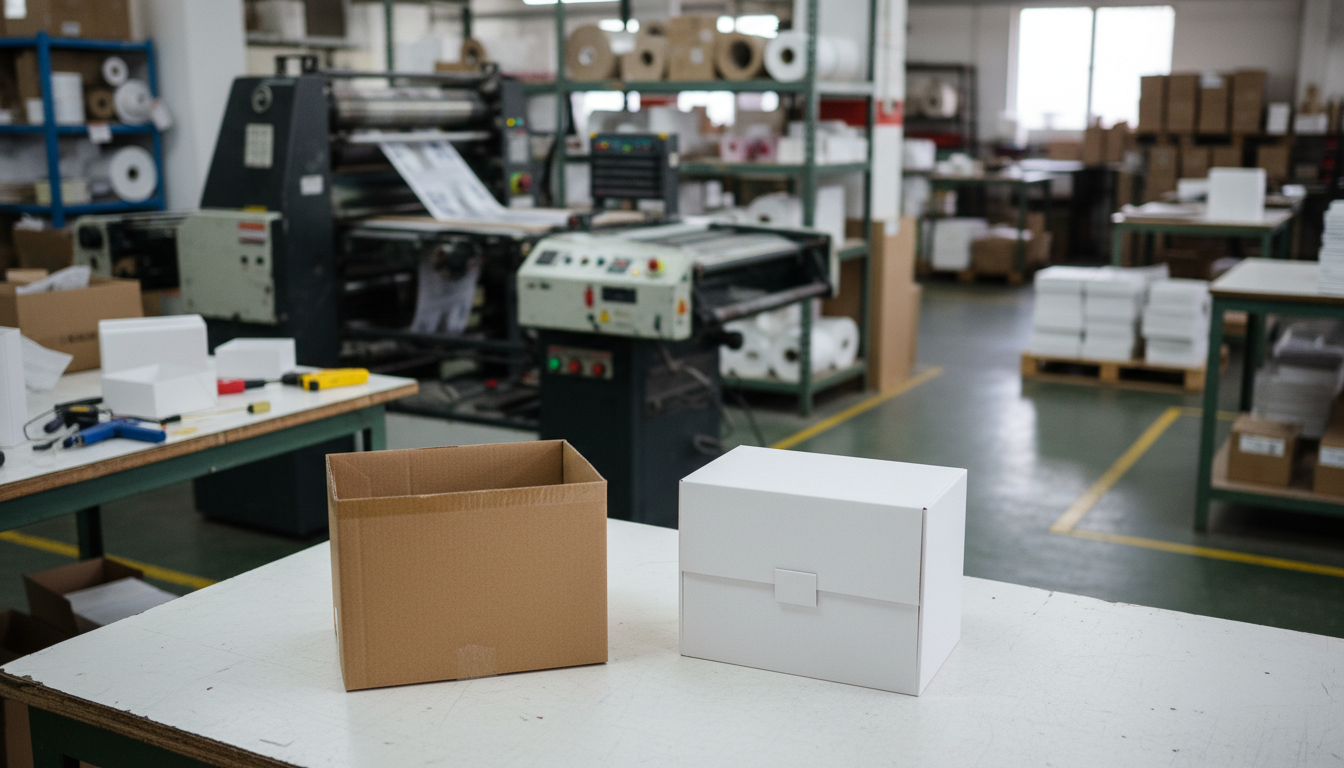
The core distinction lies in the rigid box vs folding carton comparison. Folding cartons are made from a single sheet of paperboard (like SBS or CCNB) that is die-cut, scored, and glued. They are efficient and cost-effective for high-volume runs. Rigid boxes, often called set-up boxes, are built from two pieces: a base and a lid, each made by wrapping a printed sheet (litho label) over a pre-formed chipboard core. This paperboard construction creates a permanent, sturdy structure that cannot be flattened.
"In luxury retail, the box is the first physical interaction with the brand. A rigid box doesn't just hold the product; it communicates weight, value, and permanence before the lid is even lifted." – Senior Packaging Designer, Luxury Goods Sector.
How Do Rigid Boxes Increase Brand Recognition and Shelf Impact?
Rigid boxes command attention through superior physical presence and unparalleled graphic fidelity. Their straight, crisp edges and substantial weight create a silhouette that stands out in a crowded retail environment. This inherent retail shelf presence is a passive yet powerful marketing tool.
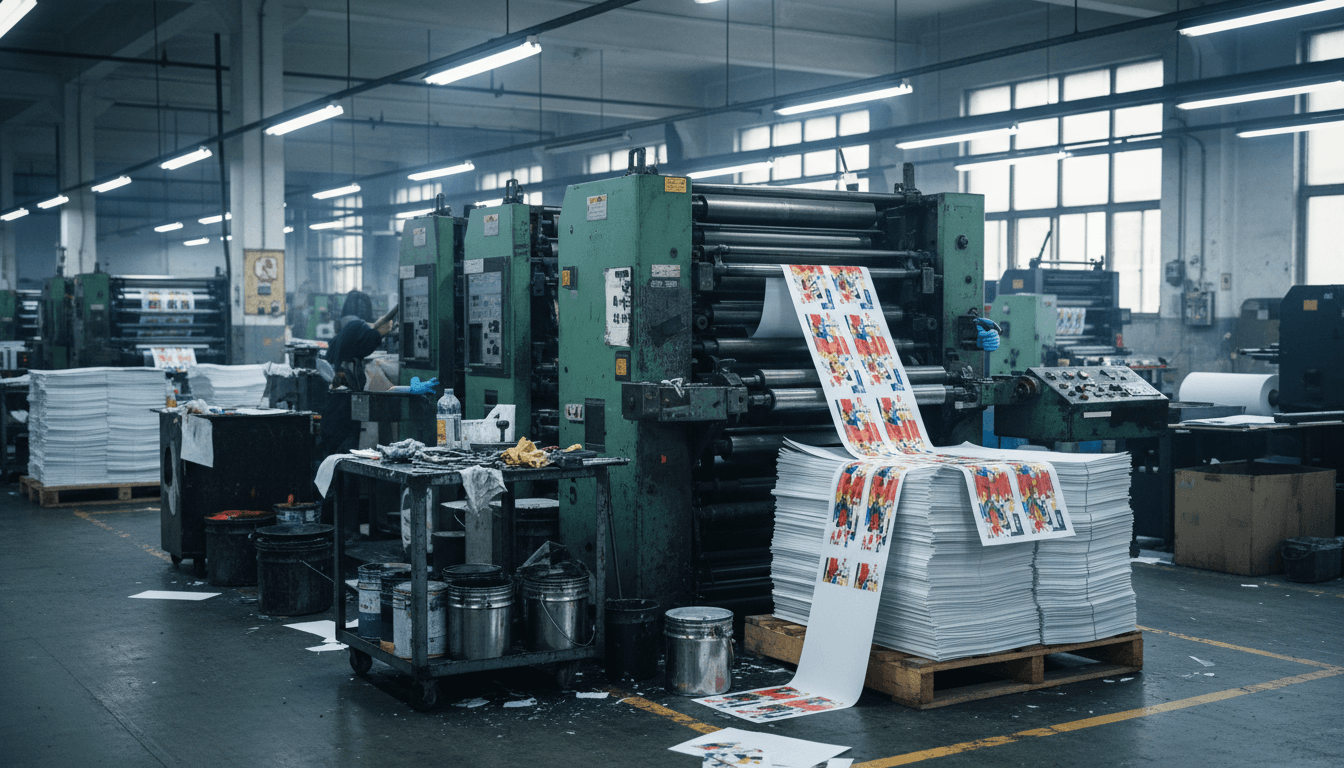
The process of litho lamination is key. Graphics are offset-printed onto a high-quality paper label, which is then precision-mounted onto the rigid board. This allows for photorealistic imagery, ultra-fine text, and vibrant, consistent color that direct printing on corrugate cannot match. When combined with specialty finishes, the visual impact is immediate and memorable, solidifying brand recognition at the point of sale. For brands looking to dominate the physical shelf, exploring dedicated retail packaging solutions that leverage this impact is a critical step.
What Materials and Finishing Options Elevate Rigid Box Quality?
The quality of a rigid box is defined by its substrate and its surface. The chipboard core's thickness (measured in points) determines the box's heft and durability. The surface, however, is where brand storytelling happens through texture and reflectivity.
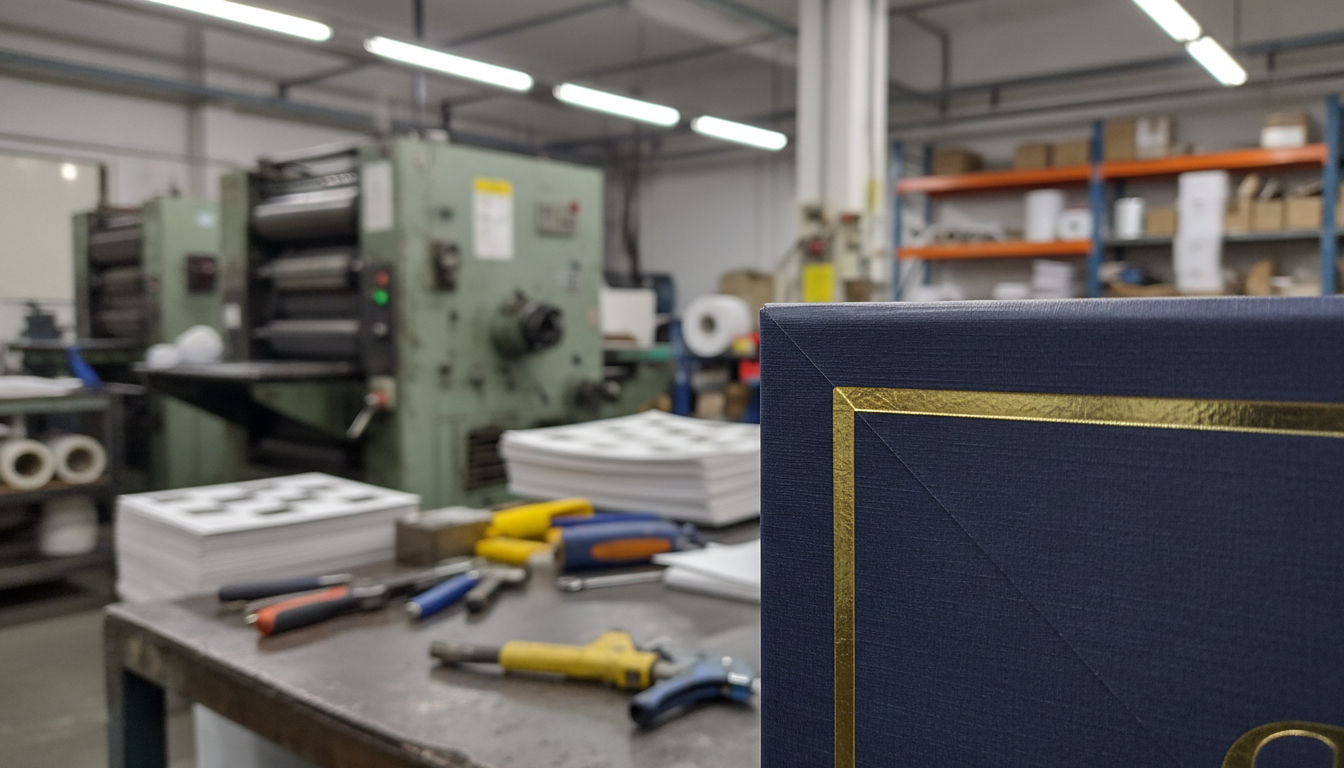
Beyond standard matte or gloss lamination, premium finishes create tactile and visual depth. Foil stamping on boxes adds metallic brilliance for logos or accents. Spot UV coating creates a raised, glossy contrast against a matte background, guiding the customer's eye. Embossing debosses the paperboard for a three-dimensional effect. For brands committed to sustainability, eco-friendly rigid box materials like recycled paperboard, FSC-certified papers, and water-based coatings are now standard offerings from leading luxury rigid box manufacturers. The selection of these elements should be guided by a deep understanding of specialty material options to achieve the desired effect and compliance.
How Can Custom Inserts and Structures Enhance Unboxing Experience?
A premium box with a generic, loose interior destroys the illusion of luxury. Custom inserts are the critical component that completes the experience, serving both functional and emotional purposes.
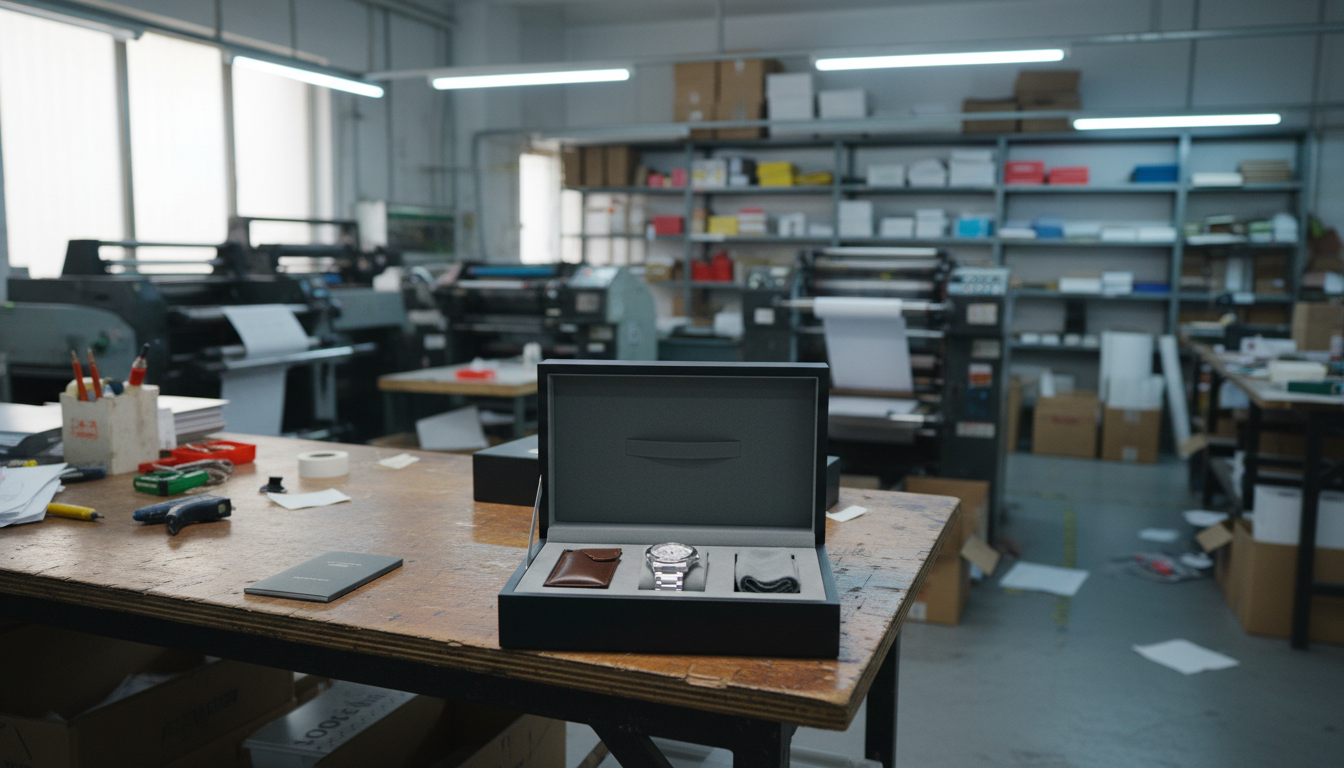
Functionally, a precision-cut foam, pulp, or plastic insert cradles the product, eliminating movement and reducing shipping damage by over 70%. Emotionally, it stages the product like a museum exhibit, creating a moment of revelation. Structures like hinged lid boxes that open like a book, or magnetic closure boxes that shut with a satisfying 'snap,' add a layer of interactive delight. The choice between a magnetic closure and a ribbon or tuck closure often comes down to user experience—magnets offer modern convenience, while ribbons evoke tradition and ceremony. This meticulous engineering of the unboxing journey is what transforms a customer into a brand advocate.
Get a side-by-side cost/benefit analysis for your specific product, comparing rigid boxes to folding cartons with realistic MOQs and lead times.
Get a Free Quote →What Industries Benefit Most from Rigid Box Packaging?
While any brand can benefit, the ROI on rigid boxes is most pronounced in sectors where product value, gifting, and brand prestige are paramount. Rigid box packaging for retail products is non-negotiable in luxury cosmetics, high-end spirits, and fine jewelry, where the package is part of the product's value proposition.
Technology brands use rigid boxes for premium headphones or smartphones to justify a premium price and reduce in-box damage. The craft food and beverage industry uses them for limited-edition releases to enhance perceived quality. In a hypothetical case study, a boutique watch brand switching from a folding carton to a two-piece box with a foam insert saw a 15% reduction in warranty claims for superficial scratches and a 28% increase in social media mentions tagged #unboxing.
How to Choose the Right Rigid Box Manufacturer for Your Brand?
Selecting a manufacturer goes beyond comparing custom printed rigid boxes wholesale price lists. It requires vetting for technical capability, quality consistency, and strategic partnership. Look for a partner with proven expertise in luxury packaging and the engineering skill to execute complex structures.
Key due diligence questions: Do they offer in-house design and prototyping to visualize the concept? What is their color management process (e.g., G7 calibration) to ensure brand color accuracy? Can they provide a physical dummy sample before full production? Manufacturers like JinXinCai Printing, with ISO 9001 certification, bring this level of process rigor, ensuring that the 10,000th box matches the quality of the first prototype. Their experience across 500+ programs means they can anticipate production challenges—like adhesive selection for specific eco-friendly rigid box materials—before they become costly delays.
Measuring ROI: Do Rigid Boxes Justify Their Higher Cost?
The cost per unit for rigid boxes is typically 3-5x that of a standard folding carton. Justification requires shifting the metric from a packaging line item to a marketing and operational investment. The ROI is captured in multiple areas: reduced product damage and returns (direct cost savings), increased social sharing and user-generated content (free marketing), and enhanced customer loyalty leading to higher lifetime value.
of consumers say premium packaging makes them more likely to recommend a brand to others.
A strategic approach is to A/B test rigid box packaging for a flagship product line or a limited edition. Track not just sales, but engagement metrics, return rates, and customer feedback. The data often reveals that the premium custom rigid box packaging pays for itself by elevating the entire brand perception, allowing for stronger pricing power across the portfolio.
Frequently Asked Questions
How does rigid box construction affect perceived product value?
The weight, solidity, and precise construction of a rigid box subconsciously signal quality, care, and durability. It frames the contents as valuable and worthy of protection, often allowing brands to support a 20-40% higher price point compared to products in folding cartons. The unboxing ritual itself adds perceived value through experience.
What minimum order quantities should I expect for custom rigid boxes?
MOQs are higher than for digital print cartons due to the cost of creating custom dies, molds for inserts, and setup for litho lamination. Typical MOQs start at 500-1,000 units for standard sizes and structures. For highly complex designs with multiple finishes and custom inserts, MOQs of 2,500-5,000 units are common to amortize the substantial upfront tooling costs.
How do I choose between magnetic closure vs. ribbon closure for my rigid boxes?
Choose a magnetic closure for a modern, premium, and reusable feel—it's convenient for the customer and suggests the box itself is a keepable item. Opt for a ribbon or tuck closure for a more traditional, ceremonial, or gift-oriented presentation. Consider your user: magnets are great for tech or cosmetics; ribbons often suit jewelry, spirits, or holiday editions.
What are the lead time differences between rigid boxes and folding cartons?
Factor in an additional 2-3 weeks for rigid boxes. The process involves multiple, sequential steps: manufacturing the chipboard forms, offset printing and finishing the litho labels, precision mounting, insert fabrication, and final assembly. For folding cartons, the process of printing, cutting, and gluing is more linear and faster. Always build in buffer time for prototype approval and production sampling.
Investing in custom rigid box packaging is a deliberate brand strategy, not just a packaging decision. It protects your product, amplifies your brand story, and creates a tangible memory for your customer. The next step is to move from theory to specification. Provide your product dimensions, target market, and quality expectations to a technical partner like JinXinCai Printing to receive a data-driven analysis of structure, material, and finish options tailored to your specific ROI goals.
Frequently Asked Questions
How does rigid box construction affect perceived product value?
The weight, solidity, and precise construction of a rigid box subconsciously signal quality, care, and durability. It frames the contents as valuable and worthy of protection, often allowing brands to support a 20-40% higher price point compared to products in folding cartons. The unboxing ritual itself adds perceived value through experience.
What minimum order quantities should I expect for custom rigid boxes?
MOQs are higher than for digital print cartons due to the cost of creating custom dies, molds for inserts, and setup for litho lamination. Typical MOQs start at 500-1,000 units for standard sizes and structures. For highly complex designs with multiple finishes and custom inserts, MOQs of 2,500-5,000 units are common to amortize the substantial upfront tooling costs.
How do I choose between magnetic closure vs. ribbon closure for my rigid boxes?
Choose a magnetic closure for a modern, premium, and reusable feel—it's convenient for the customer and suggests the box itself is a keepable item. Opt for a ribbon or tuck closure for a more traditional, ceremonial, or gift-oriented presentation. Consider your user: magnets are great for tech or cosmetics; ribbons often suit jewelry, spirits, or holiday editions.
What are the lead time differences between rigid boxes and folding cartons?
Factor in an additional 2-3 weeks for rigid boxes. The process involves multiple, sequential steps: manufacturing the chipboard forms, offset printing and finishing the litho labels, precision mounting, insert fabrication, and final assembly. For folding cartons, the process of printing, cutting, and gluing is more linear and faster. Always build in buffer time for prototype approval and production sampling.