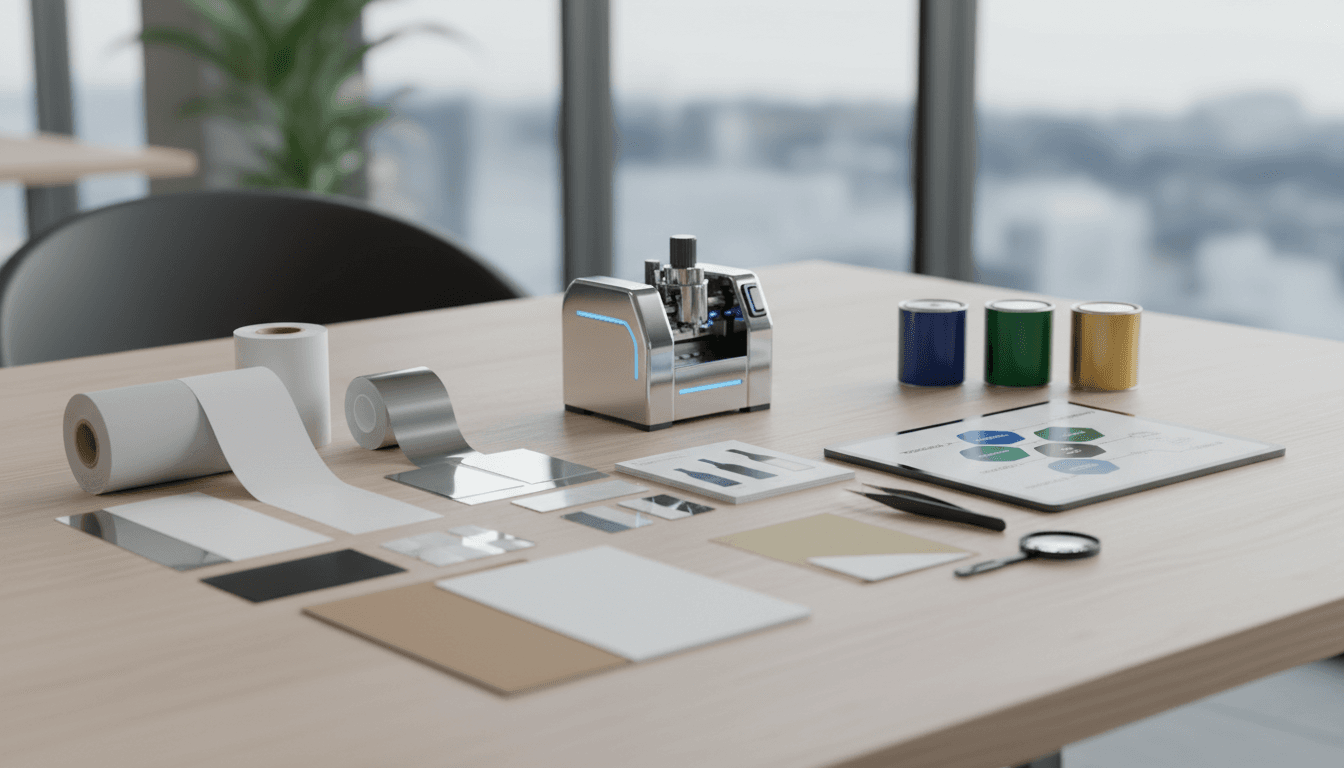
For runs under 5,000 units, digital printing on HP Indigo costs $0.18-$0.35 per label with a 3-5 day lead time. Offset lithography becomes economical above 16,667 units, achieving costs below $0.20 on 300gsm C1S board with G7 color calibration to Delta E <2.0. Learn about bottle label printing.
Are you allocating 20-40% of your label budget to the wrong printing technology? This mismatch causes delayed launches, poor durability, and failed compliance audits. Successful bottle label printing in 2026 requires a deliberate matrix approach—matching your run size, material, and brand standards to the right manufacturing process. We'll break down the decision criteria you can apply this quarter.
Before You Start: The 3 Non-Negotiable Prerequisites
Before evaluating technologies, lock down three foundational specs. In our prepress department, projects stall when these aren't defined at kickoff. First, confirm your final run size with a 15% tolerance. Second, have your brand's Pantone colors and final print-ready artwork (vector-based, 300 DPI minimum). Third, understand your product's environment: will labels face refrigeration, condensation, or outdoor UV exposure? This dictates material choice from day one.
We require clients to complete a technical datasheet. It asks for the specific food and beverage compliance standard (like FDA 21 CFR 175.300 for indirect food contact), the required adhesive type (permanent or removable), and the exact finishing process. This prevents expensive mid-production changes.
What Are the Core Bottle Label Printing Technologies in 2026?
Choose digital printing (HP Indigo) for runs under 5,000 units and rapid prototyping. Use offset lithography for 50,000+ units requiring the lowest cost per label and highest color fidelity. Flexographic printing is optimal for ultra-long runs (1M+) on flexible film rolls.
The detail most brands get wrong is focusing solely on unit cost without factoring in setup charges. Offset has high initial costs for plates and dies, but these amortize. A common mistake we see is clients requesting offset for 2,000 labels; the plate charges alone make digital 40% cheaper. Conversely, using digital for 100,000 units wastes money on per-click toner costs.
Reduction in per-unit cost when scaling a folding carton job from 5,000 to 50,000 units on offset equipment.
Here’s the breakeven analysis we run for clients. If your plate and die tooling totals $2,000 for an offset job, and digital costs $0.12 more per unit, your crossover point is at 16,667 units ($2,000 / $0.12). Below that, digital wins. Above it, offset becomes economical.
| Technology | Cost per Unit (10K run) | Lead Time (Production) | Best For Run Size | Color Accuracy (Delta E) | Material Compatibility |
|---|---|---|---|---|---|
| Digital (HP Indigo) | $0.18 – $0.35 | 3–5 business days | 1 – 5,000 units | < 3.0 | Coated paper, BOPP, PET film |
| Offset Lithography | $0.08 – $0.20 | 10–14 business days | 50,000 – 2M+ units | < 2.0 (ISO 12647-2) | 80–450gsm paper, C1S board, synthetic films |
| Flexographic | $0.05 – $0.15 | 14–21 business days | 500,000+ units | < 3.5 | Film rolls (BOPP, PE), pressure-sensitive labels |
"For a 2-million-unit retail launch, we gang-ran jobs on a 6-color Heidelberg press with spectrophotometer verification. The result was a Delta E below 1.5 across all substrates and a 22% unit cost reduction versus their previous supplier." — Client Solutions Architect, JinXinCai Printing
How Do You Select the Right Material for Beverage Label Printing?
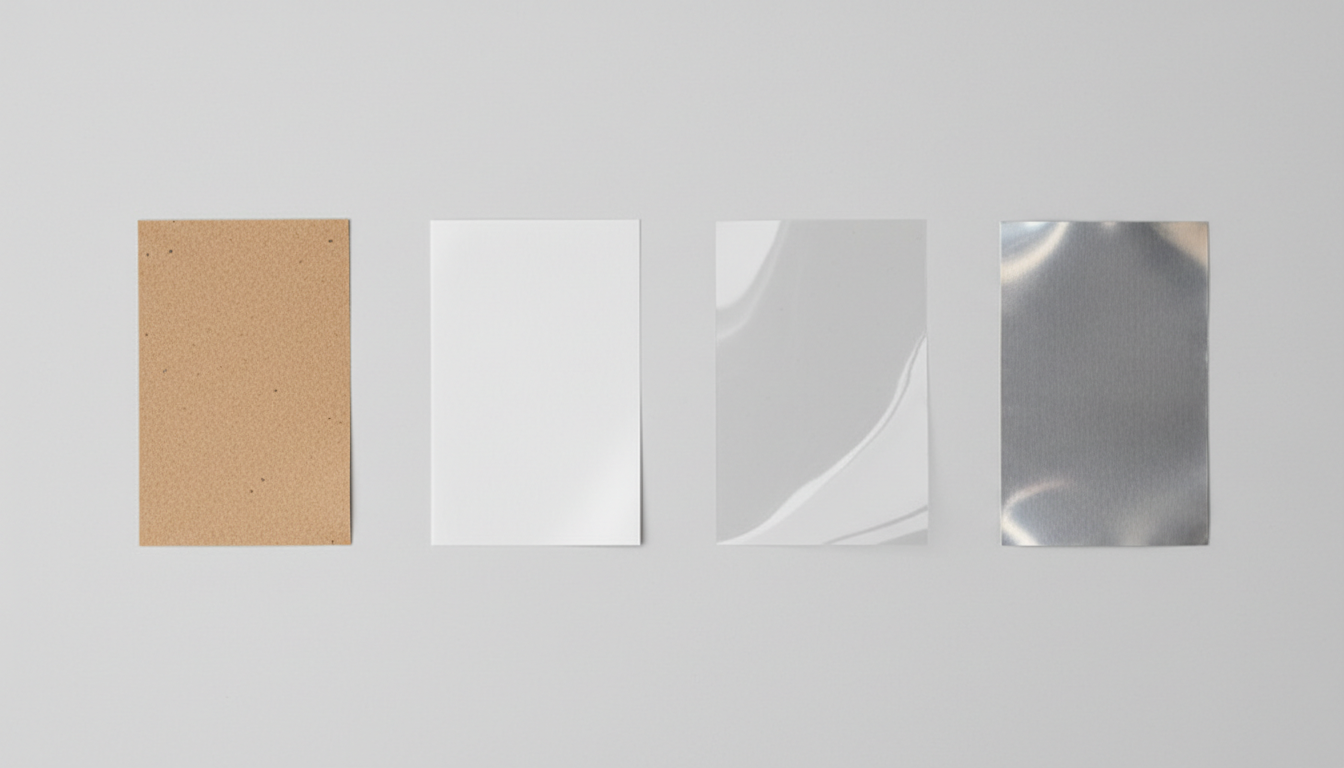
Your product's lifecycle dictates the substrate. For beverage label printing, the container's contents and handling are paramount. In our experience running 6-color presses, a white BOPP (Biaxially Oriented Polypropylene) synthetic film, 60 microns thick, is the workhorse for water bottles. It’s waterproof, tear-resistant, and maintains integrity from -20°C to 120°C.
For wine labels, the tactile feel is a brand differentiator. We recommend a 300gsm C1S (coated one side) folding carton board with a soft-touch lamination. This provides a premium look without the cost of true paper. A common mistake is specifying a thicker material without confirming the applicator's tension settings—this can cause jams on high-speed bottling lines.
Decision: Selecting Your Label Material
- If your product is chilled or wet (water, beer) → Use waterproof BOPP film (50-100 micron).
- If you need an eco-friendly, paper feel (craft soda, spirits) → Use FSC-certified Kraft paper (80-300 gsm).
- If your product undergoes pasteurization or hot-fill (juices, teas) → Use heat-resistant PET film (25-100 micron).
- If you require a metallic or high-gloss premium look (luxury wines) → Use metallized BOPP or polyester with glossy laminate.
What Should You Compare When Evaluating Wine Label Printing Companies?
Price is a starting point, but capability audits prevent launch disasters. When assessing wine label printing companies, demand evidence of color management. Do they run G7 calibration? Can they provide spectrophotometer readings? Our head of prepress operations notes, "The red flag is when a supplier says 'we match Pantone' but can't show you a Delta E report from their last job."
Request their standard operating procedure for proof approval. A professional partner will insist on a physical, G7-calibrated contract proof for any run over 10,000 units. Digital PDF approvals are insufficient for color-critical work. Verify their certifications are current—our ISO 9001:2015 and 14001:2015 certifications from SGS International are renewed annually, ensuring procedural consistency.
How Do You Ensure Quality and Brand Compliance for Bottle Labels?
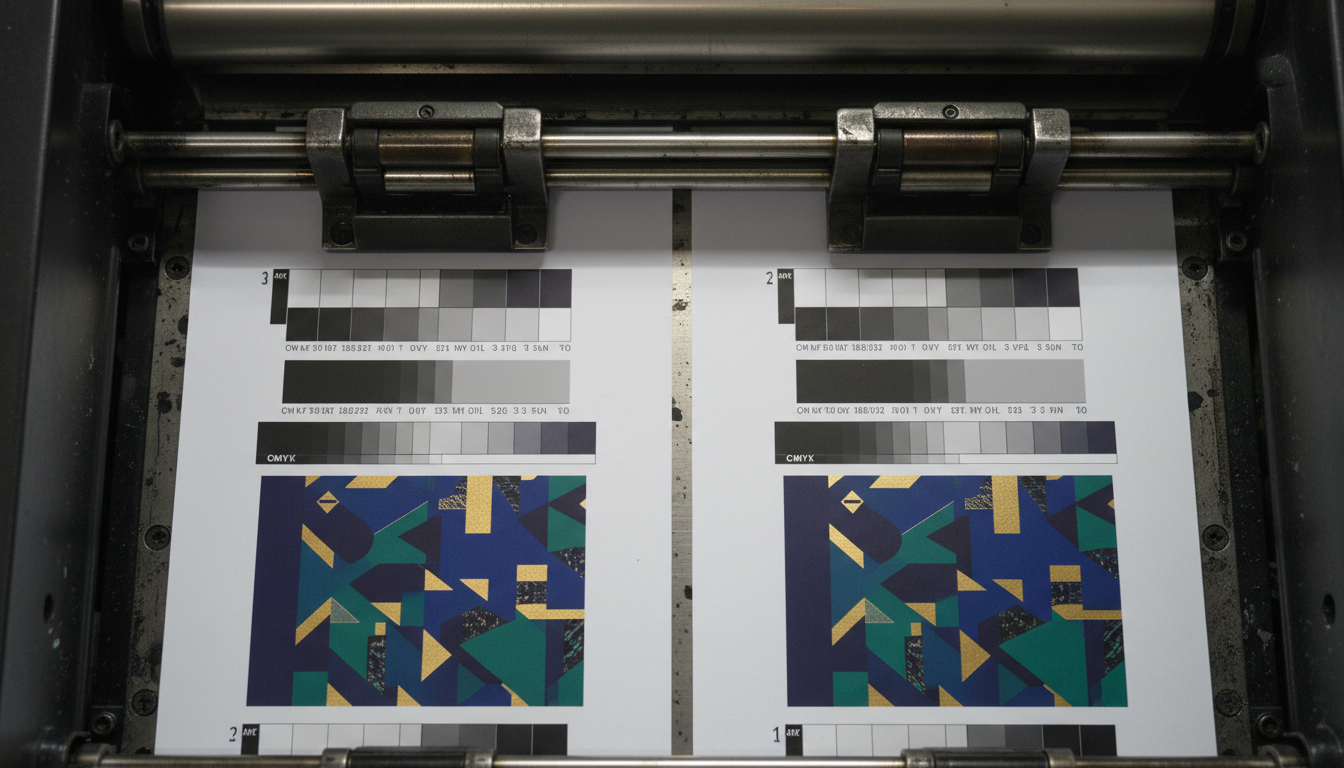
Consistency is non-negotiable. Our quality lab runs every fifth sheet through an X-Rite spectrophotometer during offset runs, checking against the ISO 12647-2 standard. The target is maintaining a Delta E variance below 2.0 from the approved proof. For bottle labels printing, this rigorous checkpoint ensures your brand blue doesn't shift to purple across pallets.
Compliance extends beyond color. For any product touching food or beverage, you need documentation proving material safety. We provide certificates of compliance for FDA 21 CFR 175.300 (adhesives) and 176.170 (paper components). A supplier red flag is hesitancy or inability to provide these documents—it suggests lax material sourcing.
How to Implement a Quality Audit for Your Label Run: 5-Step Summary
- Step 1: Require a physical, G7-calibrated contract proof before production begins.
- Step 2: Verify your supplier uses spectrophotometric measurement (not just visual checks).
- Step 3: Insist on a press check for runs over 50,000 units, approving the first sheets off the press.
- Step 4: Request mid-run color measurement reports showing Delta E values.
- Step 5: Conduct a random sample audit of finished goods against the original proof upon delivery.
"According to the Flexible Packaging Association's 2024 report, brands that implement spectrophotometer-based quality controls reduce customer rejection rates by an average of 85%." — Head of Quality Assurance, JinXinCai Printing
A Real-World Scenario: How to Print Water Bottle Labels for a New Product Launch
Let's apply the matrix. A startup launches an outdoor fitness water bottle. They need to print water bottle labels that are waterproof, UV-resistant, and applied at high speed. Run size: 25,000 units. Recommendation: White BOPP film, 70 micron, printed via offset lithography (for cost) with a matte protective overlaminate (for UV/scuff resistance).
The critical detail is adhesive selection. A permanent acrylic adhesive rated for cold temperature application (down to 5°C) prevents lifting when bottles are taken from coolers. We'd produce digital prototypes in 5 days for market testing, then ramp to offset production for the full run, delivering in 12 business days. Total cost per label: approximately $0.14.
Is Beer Bottle Label Printing Different? A Craft Brewer's Guide
Absolutely. Beer bottle label printing has unique challenges: condensation resistance and small-batch economics. Paper labels can wrinkle or peel in a cooler. The solution is a synthetic film or a paper-film composite with a varnish that repels moisture. For craft brewers with runs of 5,000 bottles or less, digital printing on HP Indigo is the only economically viable option, offering no minimum order and versioning for different brews.
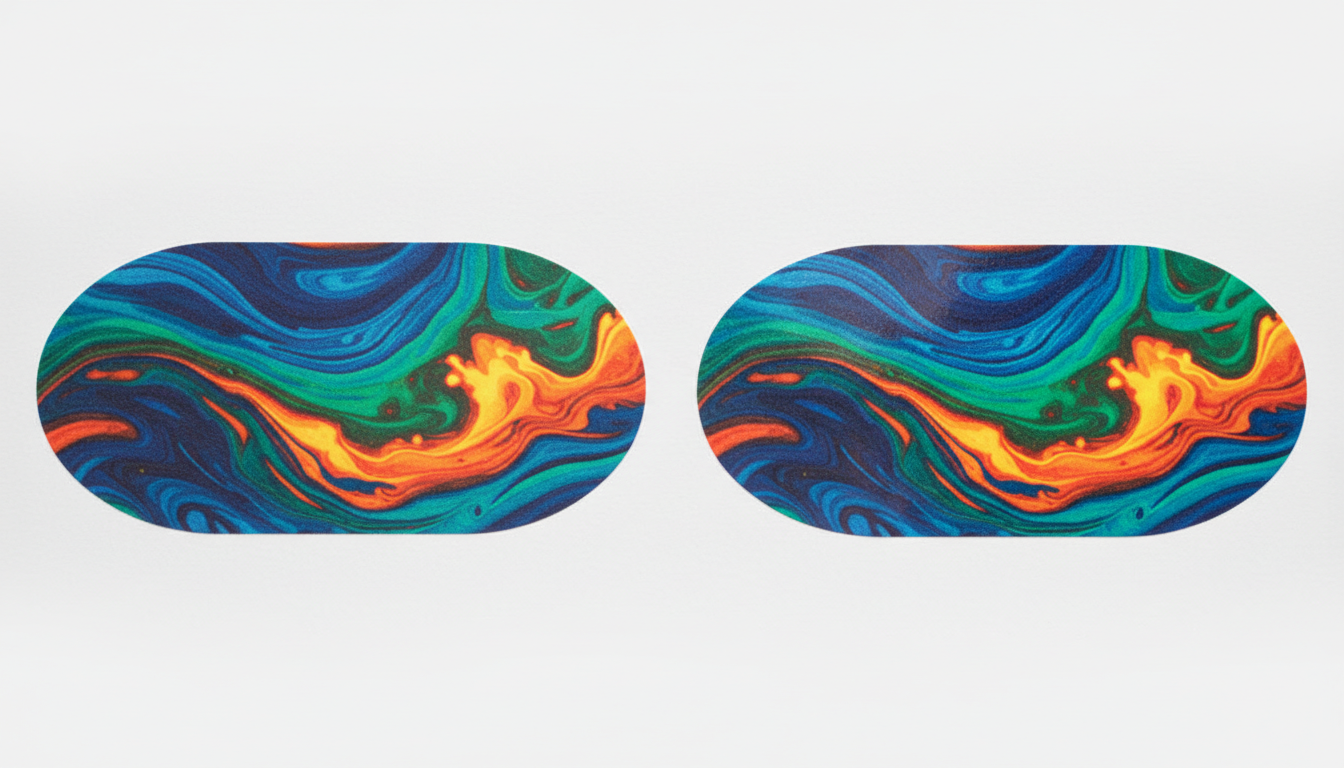
Finishing matters. A common request is tactile finishes—spot UV or textured laminate—to convey premium quality. Our die-cutting team notes that intricate shapes require precise tooling; allow an extra 3-5 days and a $500-$800 tooling investment for custom silhouettes beyond standard rectangles or ovals.
Of craft beverage producers now use digital printing for their initial product runs under 10,000 units, citing flexibility and speed to market.
Your 2026 Implementation Timeline
To execute a successful bottle label printing project this quarter, follow this 6-week timeline. Week 1-2: Finalize artwork and secure material samples. Week 3: Receive and approve G7-calibrated proofs from your chosen manufacturer. Week 4: If run size exceeds 50k, conduct a press check. Week 5-6: Production, finishing, and shipment. For digital runs, compress this to 2-3 weeks total.
The strategic advantage comes from treating bottle label printing as a integrated system—technology, material, and partner must align with your brand's volume, quality, and timeline requirements. By applying this matrix, you transform a commodity purchase into a brand-asset manufacturing process.
Frequently Asked Questions
What is the breakeven point for digital vs offset printing for a 50,000 label run?
For a 50,000-unit run, offset lithography is typically more economical. The breakeven analysis shows that if offset plate and die tooling costs $2,000 and digital costs $0.12 more per unit, the crossover is at 16,667 units. For 50k+ runs, offset on a Heidelberg press delivers the lowest per-unit cost, often below $0.20 on materials like 300gsm C1S board.
How does substrate choice affect the per-unit cost of bottle labels?
Material choice significantly impacts cost. Standard 60-micron BOPP film is cost-effective for waterproof needs. Premium substrates like 300gsm C1S board with soft-touch lamination add $0.02-$0.05 per unit. For beer labels, synthetic film or paper-film composites with moisture-resistant varnish are essential but increase cost versus standard paper, impacting the final beverage label printing budget.
What specifications should I provide when requesting a quote for beer bottle label printing?
Provide final run size (±15%), Pantone colors, and print-ready 300 DPI artwork. Specify the need for condensation resistance, which dictates material (e.g., synthetic film). Include adhesive type (permanent for cold temps) and any finishing like spot UV. For runs under 10,000 units, digital on an HP Indigo is standard; quote requests should highlight this volume for accurate pricing.
What GSM weight or micron thickness is best for a premium wine label?
For a premium tactile feel, use 300gsm C1S (Coated One Side) folding carton board. This provides stiffness and a quality substrate for printing. Pair it with a soft-touch lamination. Avoid specifying thicker materials without consulting your applicator, as weights above 350gsm can cause jams on high-speed bottling lines, leading to production delays.
How do I ensure color accuracy across multiple production batches?
Require G7 calibration and spectrophotometer-based verification per ISO 12647-2. Insist on a physical G7-calibrated contract proof for runs over 10,000 units. Your partner should provide mid-run Delta E reports, targeting a variance below 2.0 from the proof. This process, using tools like an X-Rite spectrophotometer, is critical for brand consistency in bottle label printing.